
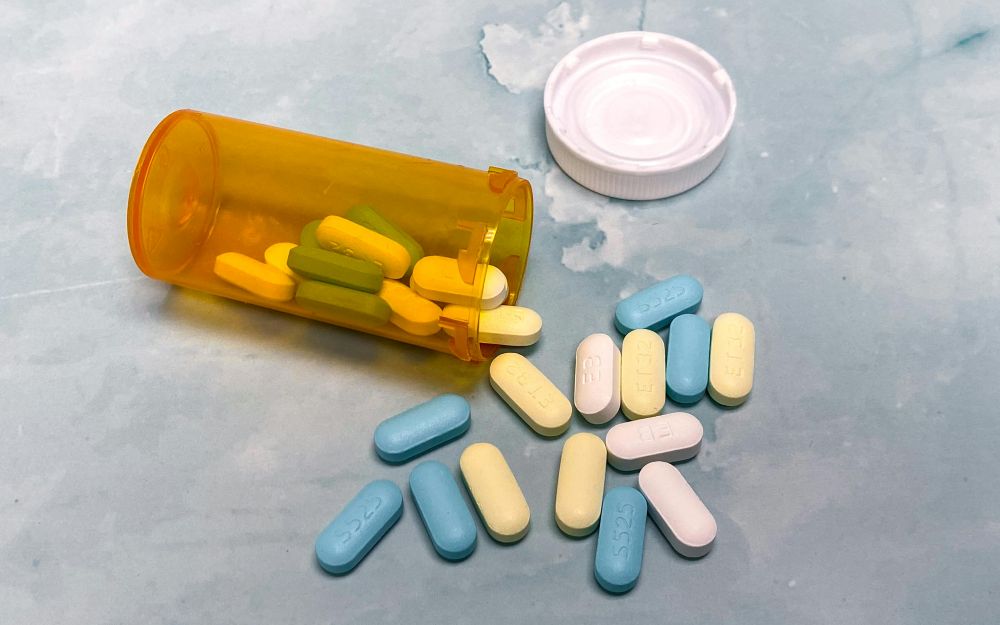
Americans agree overdoses matter but differ on blame and policy paths.
Americans across the political spectrum largely agree that opioid overdose deaths remain a serious national problem, even as views differ on who should be held responsible and what actions should come next. A recent national survey conducted by researchers at Weill Cornell Medicine found that nearly nine out of ten adults see overdose deaths as a very serious issue. This level of concern appeared steady regardless of political party, showing that the crisis continues to weigh heavily on the public mind.
For many years, public opinion in the United States placed most of the blame for opioid addiction and overdose on the people who use these drugs. This belief was especially common among conservatives, who have often stressed personal choice and individual fault in their views. The new survey, however, suggests that this view may be shifting. While many respondents still believe individuals bear some responsibility, a growing number now point to pharmaceutical companies as major contributors to the problem. Researchers noted that this change may reflect widespread news coverage of lawsuits that accused drug makers of aggressive marketing and downplaying addiction risks.
The study was published in January in a major medical journal and was based on a 2025 online survey of 1,552 adults. The group was designed to reflect the national population of Black adults and non-Hispanic white adults. Participants were asked about overdose deaths, responsibility for reducing them, and their comfort level interacting with people who have opioid addiction. The results showed clear political differences in how responsibility is assigned. Conservatives and moderates were more likely to say people who use opioids should take the lead in reducing overdose deaths. Liberals, on the other hand, were more likely to say drug companies should be held accountable.

These findings arrive during a period of change in overdose trends. According to federal health data, opioid overdose deaths dropped sharply from 2023 to 2024, falling by nearly one quarter. Even with this decline, tens of thousands of lives are still lost each year. Researchers caution that lower numbers do not mean the problem is solved, especially as stronger drugs continue to circulate and access to treatment remains uneven.
The survey also highlighted how stigma around addiction remains widespread. More than one third of respondents said they would not want a person with opioid addiction living next door. More than half said they would be uncomfortable if such a person married into their family. These feelings were strongest among conservative respondents, though they were present across all political groups. Such attitudes matter because stigma can affect support for treatment programs and public health policies.
Past studies have shown that negative views toward people with addiction can block policies that are proven to reduce harm. These include easier access to treatment, wider use of medications that reduce overdose risk, and programs that focus on safety rather than punishment. When addiction is seen mainly as a moral failing, voters may be less willing to back spending on care or changes to the criminal justice system.
Researchers say the new findings suggest that the overdose crisis is likely to remain a policy issue, but future actions may depend on how leaders frame responsibility. Efforts that focus on holding companies accountable and directing settlement money into treatment and prevention may draw broader support. At the same time, disagreements about personal blame and lingering stigma could slow progress.
Looking ahead, the research team is also studying public opinion on newer state laws tied to addiction treatment. Some states now require licensed treatment programs to offer medications that help people recover from opioid use disorder. These medications have been shown to lower the risk of overdose and death, yet many programs still rely only on abstinence-based care. Understanding whether the public supports these requirements could shape how widely they are adopted.
Overall, the survey paints a picture of a country that recognizes the seriousness of the opioid crisis but remains divided on how to respond. Shared concern may offer a foundation for action, but differences in blame and belief will likely continue to shape the next chapter of drug policy in the United States.
Sources:
Most Americans see opioid overdose as a serious crisis needing urgent action
Public Views About Opioid Overdose and People With Opioid Use Disorder
Join the conversation!