
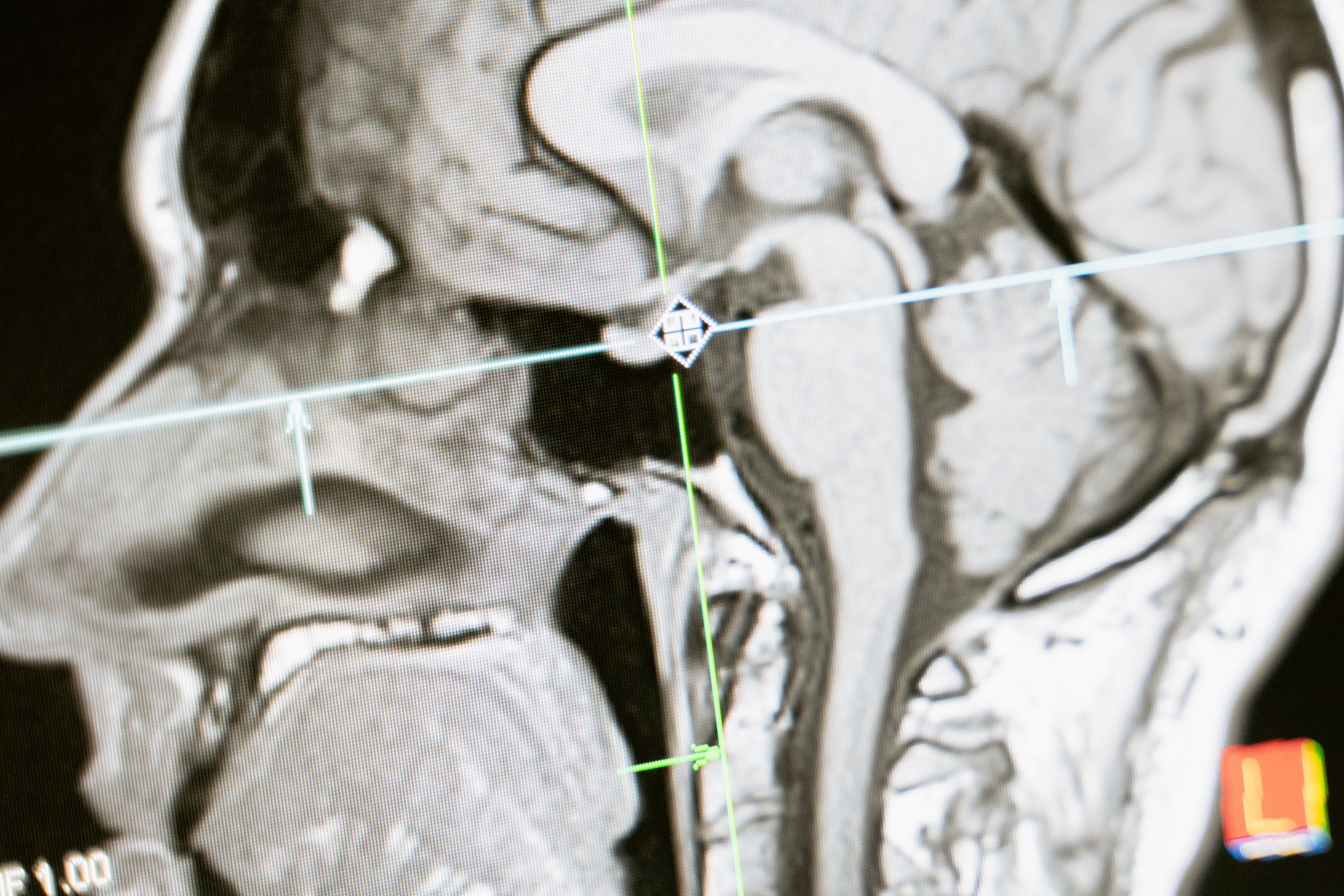
Experimental drug briefly improved autism-like brain function and behaviors in adult mice.
Researchers at UCLA have discovered that a drug already approved for other medical conditions reversed several autism-like brain and behavior changes in adult mice, offering a new option for how certain symptoms in humans might one day be treated. The study focused on rapamycin, a medicine that suppresses the immune system and affects a cell growth pathway known as mTOR. Researchers have studied this pathway for years because it plays a role in brain development and has been linked to several neurological conditions. In this latest experiment, scientists wanted to learn whether changes that begin before birth could still be influenced after the brain reaches adulthood.
The research began with pregnant mice that experienced mild inflammation during pregnancy. Earlier studies have shown that inflammation during this stage of development can lead to lasting brain and behavioral differences in offspring. In this study, the adult rodents developed several features often seen in lab models of autism, including repetitive behaviors, greater sensitivity to sounds and touch, seizure risk, unusual communication between brain regions, and mild brain overgrowth.
When the adult mice received a single dose of rapamycin, researchers saw noticeable changes within about two hours. Brain cells that had been unusually active became calmer, communication between different parts of the brain became more organized, seizure risk dropped, and repetitive behaviors became less noticeable. The mice also appeared less sensitive to everyday sensory stimulation.
The speed of those improvements surprised the research team. Physical changes in the brain, such as forming new connections between nerve cells, usually take much longer than this. Because the effects happened so quickly, researchers believe the drug was changing how existing brain circuits were working rather than repairing the brain’s structure. To better understand what happened, scientists examined activity inside the brain cells before and after treatment. They found that rapamycin rapidly changed the activity of genes involved in brain signaling, nerve cell communication, epilepsy, and autism-related pathways. The findings suggest the drug helped restore a better balance between nerve cells that send signals and those that control excessive activity.
Although the results may sound promising, the researchers emphasized several important limitations. The improvements were temporary and gradually disappeared as time passed. When the mice received repeated daily doses, the benefits became weaker over time as the animals developed a tolerance to the medication. Rapamycin can also cause significant side effects because it suppresses the immune system. For those reasons, the team said the real value of the study is not the drug itself, but what their experiment revealed about the brain. The findings suggest that some autism-related symptoms may remain changeable even in adulthood. Rather than focusing only on permanent differences in brain structure, future research may explore ways to adjust how brain circuits function in real time.
The scientists believe the results showing autism-like behaviors can change even in adulthood could eventually support the development of safer treatments that target sensory processing, brain signaling, or the balance of activity between different groups of nerve cells. Such treatments could potentially help reduce specific symptoms without needing to permanently change the brain’s structure. However, more research is needed to determine if the changes observed would be as significant in a human brain as they were in the mice. Even so, the study offers another piece of evidence that the adult brain may remain more flexible than previously believed.
Sources:
Drug temporarily reverses autism-like brain changes in adult mice within hours
Join the conversation!