
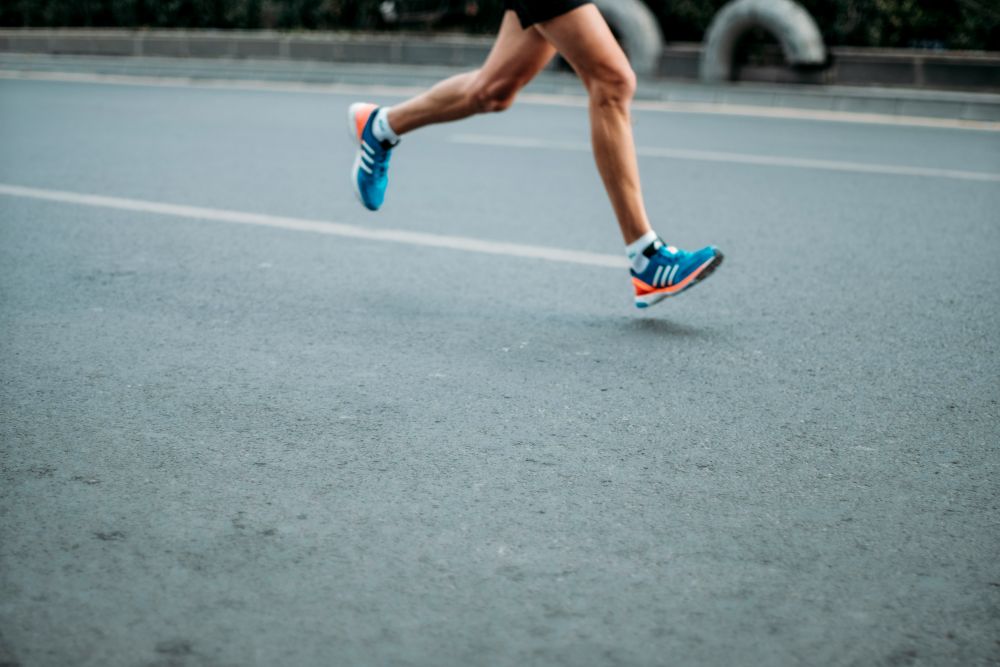
Larger physical movements improved pattern learning but did not benefit rule-based tasks.
Researchers at Florida Atlantic University have found that physical movement can help people learn certain types of information more effectively, offering a new view of how the brain processes patterns and makes decisions. The study found that people who made larger arm movements while learning visual patterns performed better than those who used simple button presses. However, the advantage depended on the type of information being learned.
The research, conducted with scientists from Brown University, examined how physical actions affect the ability to sort objects and images into groups. These skills are used in everyday situations, such as judging whether a road is slippery, recognizing unusual areas on a medical scan or deciding whether a piece of fruit is ripe. Although these decisions may seem to depend mainly on thought, the findings suggest that movement can also influence how people learn to recognize important details. For many years, researchers have largely viewed learning to sort information as a mental process. Under this view, the brain studies an object, decides what it is and then tells the body how to respond. Movement has generally been treated as the final step rather than something that might improve learning. The new findings suggest that physical movement can play a larger part in the process.
To test this idea, the research team created a virtual reality experiment in which participants learned to sort visual patterns into categories. Some participants used simple button presses to record their answers. Others made larger arm movements, either by swinging a virtual lightsaber at a target or punching a virtual response box. The participants completed tasks involving two different types of learning. In one type, they followed clear rules based on specific features. In the other, they had to recognize similarities among patterns and combine several details to reach a decision. This second type can be harder because people may learn to recognize a pattern without being able to explain exactly how they reached their conclusion.
The results showed that larger movements helped participants learn the similarity-based categories more accurately. Those who used their arms performed better than those who relied on button presses. However, the larger movements did not provide a meaningful advantage when participants learned categories by following clear rules. This remained true even when researchers made the rule-based task more difficult.
Luke Rosedahl, an assistant professor in Florida Atlantic University’s Department of Biomedical Engineering and the study’s corresponding author, said the difference between the two types of learning was unexpected. The benefit also appeared whether participants swung at a target or punched a separate response box. This suggested that making a larger movement mattered more than directly interacting with the image being studied.
The researchers carried out further tests to make sure other factors did not explain the results in addition to physical movement. They controlled how long participants viewed each image, considered differences in how quickly participants responded and increased the difficulty of the rule-based task. Even with these changes, the advantage remained limited to learning based on similarities and patterns. Another finding suggested that movement improved learning beyond the immediate task. Participants who practiced using larger arm movements kept their advantage even after switching to simple button presses. This indicated that the movements may have helped them learn the material more effectively rather than simply making it easier to give an answer during training.
The findings could lead to new ways of teaching skills that require people to combine information and recognize patterns. Rosedahl said adding movement could offer a practical way to help people learn difficult tasks when standard teaching methods do not work as well as expected. Further research will be needed, however, to determine whether the benefits found in virtual reality also occur in real-world training settings. For now, the results suggest that purposeful movement may help people learn certain patterns more effectively, while its benefits may be limited for tasks based on clear rules.
Sources:
Movement helps people learn complex patterns more effectively, study finds
Learning by moving: Physical motion accelerates category learning
Join the conversation!