

Gutkha addiction grows as health risks and natural remedies gain attention.
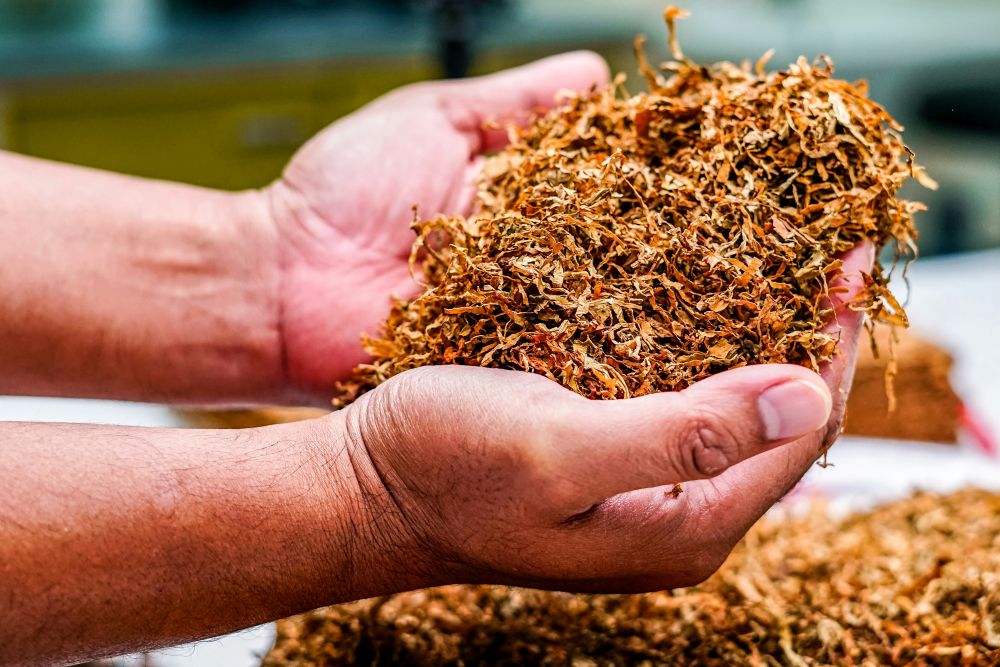
Rising gutkha use is becoming more common across parts of India, raising growing concern among health workers and families. Gutkha is a mix of tobacco, areca nut, and flavoring agents that is often sold in small packets and placed inside the mouth. Many people are drawn to it because it is cheap, easy to carry, and gives a quick sense of alertness. Over time, though, this habit can take a serious toll on the body.
One of the first signs of long-term use is staining of the teeth and damage to the gums. What may seem like a small issue at first can quickly grow into painful sores and infections in the mouth. Doctors have warned for years that gutkha is linked to cancers of the lips, tongue, cheeks, and throat. In many cases, people do not notice the damage until it has reached a late stage, making treatment harder. Breathing problems can also develop as harmful chemicals affect the airways and lungs.
Addiction is a major factor behind rising gutkha use, making it hard for many to stop. The body grows used to the substance, and cravings can become strong and steady. Some users feel restless, anxious, or low in mood when they try to quit. This cycle can make it difficult to break free without support or changes in daily habits.
In response to this growing issue, well-known yoga teacher Baba Ramdev has spoken about ways that may help people step away from gutkha. His approach focuses on natural movement, breathing, and simple lifestyle changes that can support both the body and the mind during recovery.
One of the practices he suggests is Kati Chakrasana, a standing twist that involves rotating the upper body from side to side. This movement helps improve balance and keeps the spine flexible. It also encourages better focus, which may help a person stay committed to quitting.
Another method he promotes is Surya Namaskar, a series of flowing movements often done in the morning. This routine works many parts of the body at once and can improve breathing and blood flow. Regular practice may help reduce stress and lower the urge to reach for gutkha during the day.
Bhujangasana, also known as the cobra pose, is another exercise he recommends. In this pose, the chest is lifted while lying on the stomach, helping to open up the lungs and improve posture. Better breathing can support overall health and may ease some of the discomfort that comes with quitting tobacco products.
Physical activity in general is also seen as helpful. Simple exercises like squats, stretches, or light strength work can be done at home without special equipment. These activities can reduce stress and improve mood, which is important when dealing with cravings. Even short sessions each day can make a difference over time.
For those who may not be able to do more intense workouts, walking is a simple option that can help address rising gutkha use. A daily walk, even at a relaxed pace, can clear the mind and boost energy levels. Taking part in sports or group activities can also improve mood by releasing natural brain chemicals that support a sense of well-being.
Along with movement, some natural drinks and herbal mixes are suggested. Water made with carom seeds is said to help cleanse the body and reduce hunger, which may lower the urge to chew gutkha. Herbal tonics such as Ashwagandharishta for men and Ashokarishta for women are often used in traditional systems of care to support strength and balance during times of change.
While these steps may help, health experts continue to stress the need for awareness and early action. Education about the risks, along with support from family and health workers, can make a strong impact. Breaking free from gutkha is not easy, but with steady effort and the right habits, many people can move toward a healthier life.
Join the conversation!