

Short cognitive training shows lasting reduction in dementia risk decades later.
A new long-term study suggests that a short period of brain training later in life may help lower dementia risk many years later. Researchers followed older adults for two decades and found that a specific type of mental exercise appeared to offer lasting protection for memory and thinking abilities. The findings add to growing evidence that the brain can remain flexible and responsive to training even in older age.
The research followed more than 2,800 adults age 65 and older who joined a large project that began in the late 1990s. Participants were placed into different groups that practiced memory skills, reasoning exercises, or a training program designed to increase how quickly the brain processes visual information. Another group received no training and served as a comparison. Each training program lasted about five to six weeks and included up to ten sessions that ran between one hour and seventy-five minutes. Some participants later completed extra practice sessions roughly one and three years after the original training period.
Twenty years later, investigators reviewed medical records to see how many participants developed dementia, including Alzheimer’s disease. The results showed a clear difference between groups, with a much lower dementia risk. Those who completed the visual speed training along with the added follow-up sessions were less likely to receive a dementia diagnosis compared with those who received no training. About forty percent of people in the trained group developed dementia, while nearly half of those in the comparison group did. This difference translated to about a twenty-five percent lower risk.
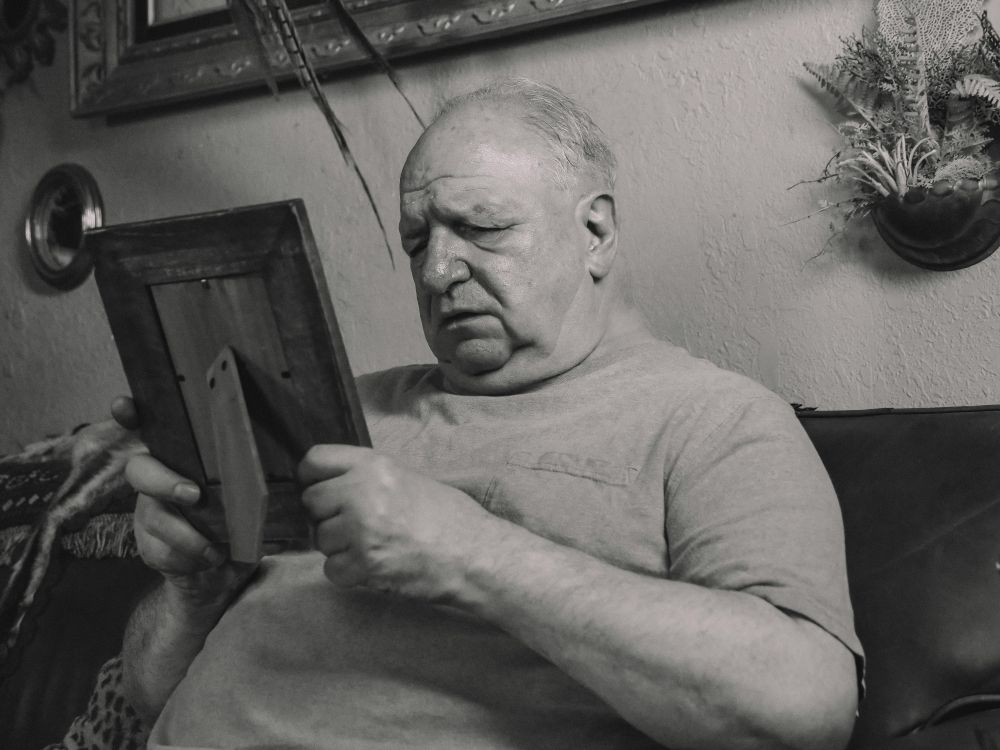
The program focused on helping people quickly notice and respond to visual details shown on a computer screen to lower dementia risk. Tasks became harder or easier depending on performance during each session. People who improved moved on to faster and more complex challenges, while others continued practicing at a comfortable pace. Researchers believe this adjustment may have helped keep participants engaged while steadily strengthening mental skills.
Interestingly, the other training programs did not show the same long-term results. Memory and reasoning exercises improved thinking abilities for a period of time, but they were not linked to lower dementia rates after twenty years. Scientists think the difference may come from how the brain learns different kinds of information. Speed training works more like practicing a skill until it becomes automatic, similar to learning to ride a bicycle or type on a keyboard. Memory lessons depend more on consciously remembering steps or strategies, which may fade over time.
Dementia affects thinking, memory, and daily functioning to the point that independent living becomes difficult. Millions of older adults are expected to face some form of the condition during their lifetime, creating emotional strain for families and heavy costs for health care systems. Even delaying symptoms by a small amount of time could reduce the number of people living with severe impairment at any given moment.
Researchers emphasized that the training itself was fairly simple and did not involve medication or medical procedures. Because the exercises were computer based and brief, they may be easier to offer in community centers or aging programs if future studies confirm the benefits. Scientists are still working to understand exactly how the training changes brain function and why its effects appear to last so long.
The findings also support the idea that brain health depends on many factors working together. Physical activity, heart health, stable blood sugar, and social engagement have all been linked to healthier aging. Mental exercise may become another piece of that picture. Experts suggest that combining cognitive training with healthy lifestyle habits could possibly delay the start of dementia symptoms, though more research is needed before firm recommendations can be made.
Many participants in the study lived into their eighties, and a large portion passed away during the twenty-year follow-up period, which is expected in long studies of older adults. Even so, the data remained strong enough to show meaningful differences between groups. Because this research tracked outcomes over such a long stretch of time, it offers rare insight into how small actions taken later in life may shape brain health far into the future.
While no single activity can fully prevent dementia, the results suggest that the aging brain may respond positively to targeted challenges. A few weeks spent strengthening mental speed may leave lasting effects that continue long after the training ends. For older adults and families concerned about memory loss, the study offers cautious optimism that simple mental exercises could help support independence and cognitive health over time.
Sources:
Just 5 weeks of brain training may protect against dementia for 20 years
Join the conversation!