
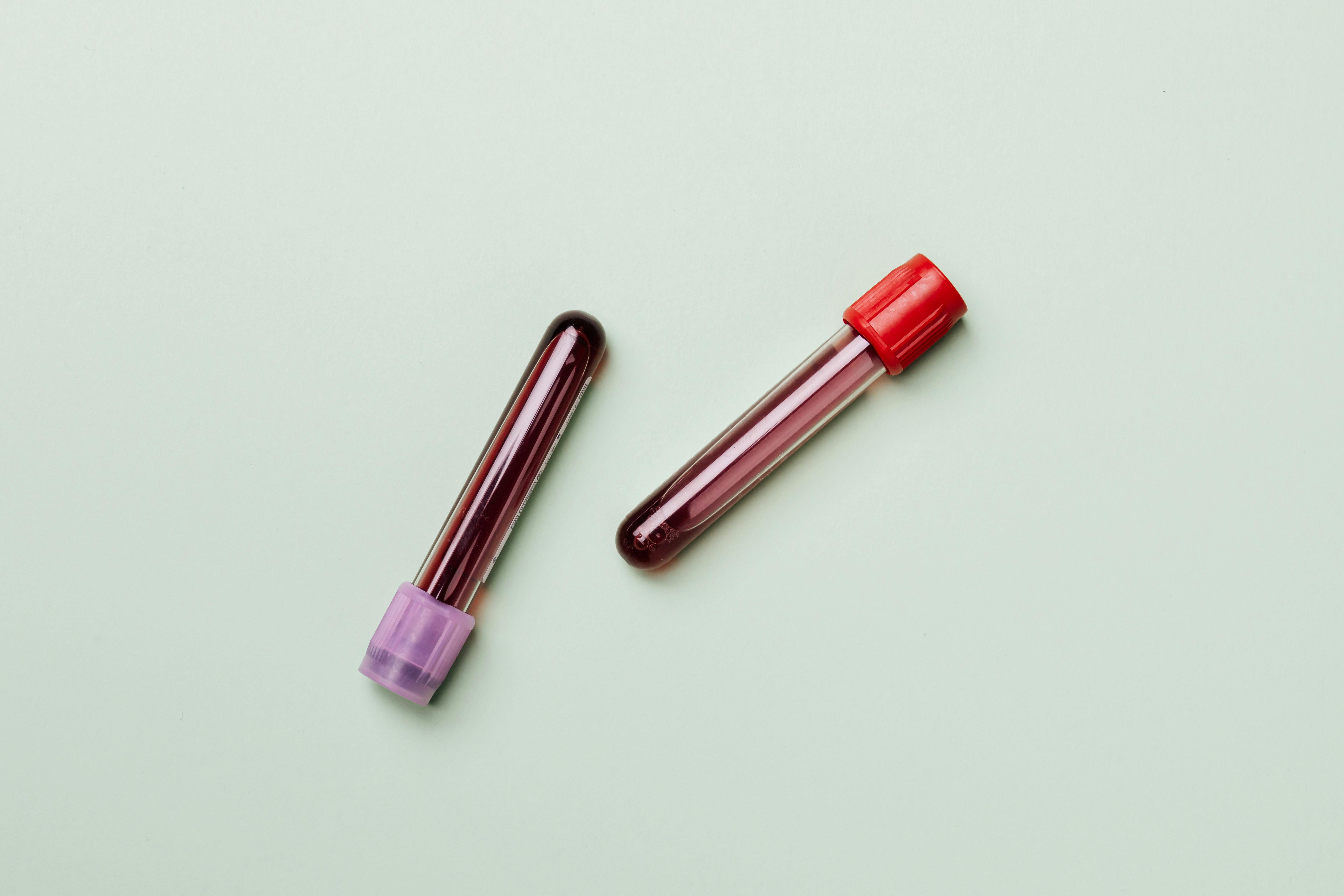
Researchers found a key signal that helps red blood cells mature, bringing lab-made blood closer to reality.
For years, scientists have tried to find a way to create lab-grown blood, hoping to one day reduce the world’s dependence on donated blood. A new discovery by teams in Germany and the UK may bring that goal a little closer. The researchers identified a signal in the body that plays a big part in helping red blood cells develop properly, an important step if blood is going to be grown at a large scale outside the body.
Every day, thousands of blood units are needed for surgeries, treatments, and emergencies. While donated blood is still the main supply, it’s not always enough. Finding a lab-grown option has proven difficult because red blood cells go through many stages before they are fully developed. One of those stages involves pushing out the cell’s nucleus. This step happens only in mammals and allows the cell to carry more hemoglobin, which is needed to move oxygen through the body.
The research team, led by Julia Gutjahr at the University of Konstanz, discovered that a chemical called CXCL12 helps trigger this nucleus removal. In lab tests, when CXCL12 was added to early red blood cells at just the right moment, the cells responded by pushing out their nucleus—just like they would inside the body. The finding offers scientists a better idea of how this process works and could help improve the way lab-grown blood is made.
Red blood cells begin their life as stem cells inside bone marrow. Over time, they transform into erythroblasts, and then into mature red blood cells. The final step, when the nucleus is removed, is what makes the cell fully ready to carry oxygen. Until now, it wasn’t clear what caused this to happen. By identifying CXCL12 as a trigger, the researchers unlocked a major part of the puzzle.
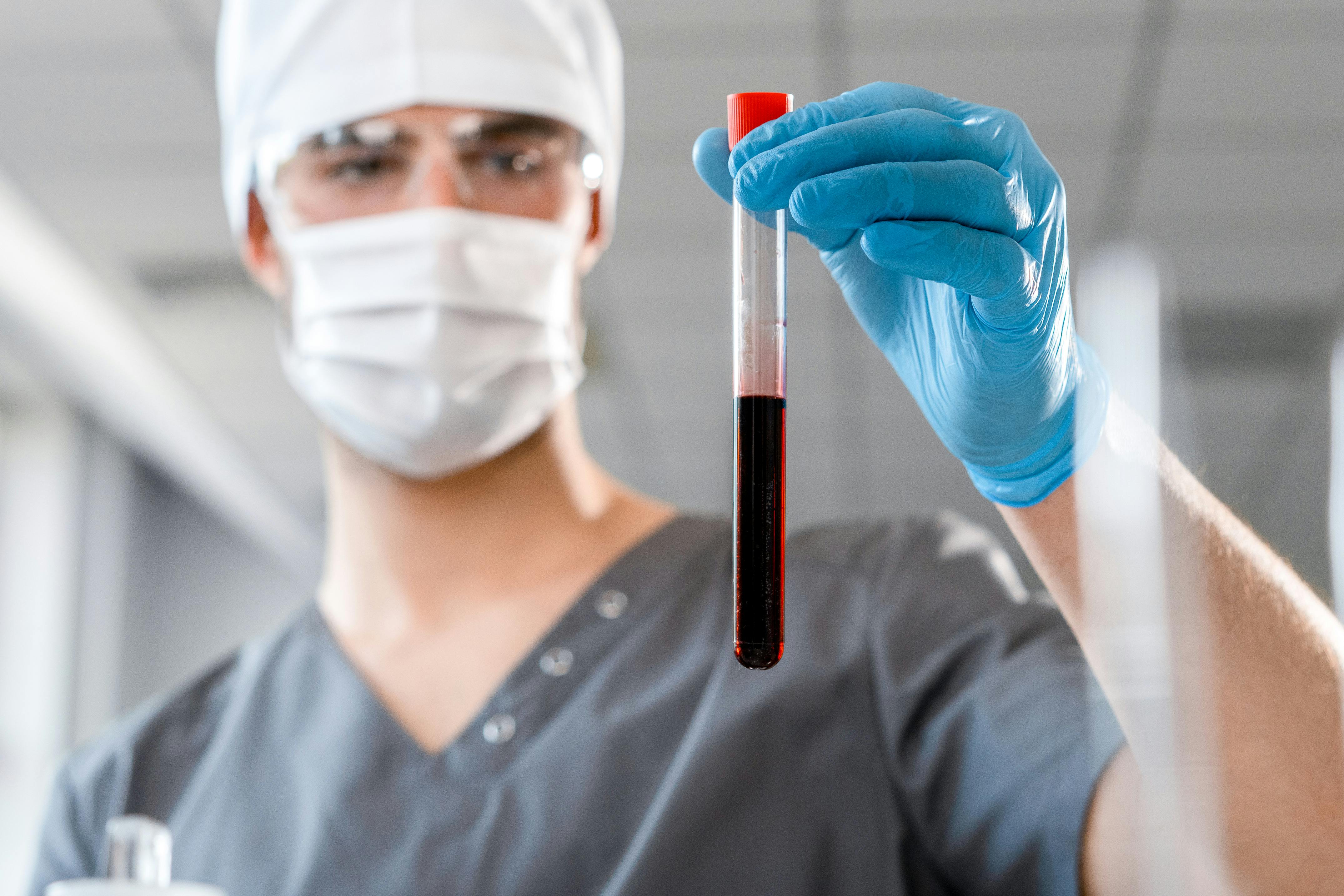
In regular conditions, this chemical guides other kinds of cells to move around the body. But in these red blood cell precursors, it works in a unique way. Instead of staying on the outside of the cell, as it usually does, CXCL12 gets pulled inside and even reaches the nucleus. Once inside, it helps the cell mature faster and push out the nucleus. This shows that cell signals can behave differently depending on the type of cell they interact with.
Stem cells taken from bone marrow or cord blood can already be used to grow red blood cells in the lab, with fairly high success. But these sources are limited and not easy to scale up. A newer method involves turning regular body cells into stem cells and then using those to grow red blood cells. This offers a nearly endless supply but takes longer, and fewer of the cells manage to push out their nucleus. Only about 40% succeed compared to 80% using stem cells from cord blood.
The hope is that with this new understanding of CXCL12, those lower numbers can be improved. The chemical might be added to boost the rate of mature red blood cells produced from reprogrammed cells, making the entire process more useful for real-world needs.
If researchers can make enough lab-grown blood, the benefits could be wide-reaching. It would allow the creation of rare blood types on demand, reduce shortages, and even make it possible for people to receive transfusions using blood made from their own cells. That would be helpful in cases where matching blood is hard to find or where people need regular treatments.
While the process is still far from ready for hospitals, the findings mark a big step forward. The next focus will be figuring out how to apply this discovery to larger-scale systems, where enough red blood cells can be made for regular medical use. For now, the discovery of CXCL12’s unique role adds an important piece to the puzzle of how blood develops, and how it might one day be made without donors.
Sources:
Scientists discover key signal for artificial blood production
Join the conversation!