

When you understand how these components fit together, you can better assess what remedies may be available and what deadlines apply to your case.
Workplace accidents can occur in offices, construction sites, warehouses, hospitals, and retail settings throughout New Haven. When you are injured on the job, the legal framework that determines who pays for medical care and lost wages is different from a typical personal injury case. Connecticut law relies primarily on the workers’ compensation system, though other forms of liability may apply in certain situations.
The Role of Workers’ Compensation in Connecticut
In most cases, the claim falls under Connecticut’s Workers’ Compensation Act, found in Chapter 568 of the General Statutes. This no-fault system applies to most employers in the state and generally covers employees who are injured in the course of and arising out of their employment. Coverage extends to sudden accidents, repetitive trauma injuries, and certain occupational diseases that develop over time.
According to a New Haven personal injury attorney, employers are required to maintain workers’ compensation insurance or qualify as self-insured, and benefits are paid without the need to prove negligence. Workers’ compensation typically covers reasonable and necessary medical care, wage replacement based on a percentage of your average weekly wage, and scheduled awards for permanent partial disability. In exchange for these defined benefits, you are usually barred from filing a civil lawsuit against your employer for workplace negligence, with limited exceptions such as certain intentional conduct claims.
When You May Sue Outside the Workers’ Compensation System
Although workers’ compensation is the primary remedy for on-the-job injuries in Connecticut, it does not always prevent you from filing a separate civil lawsuit. If a third party, meaning someone other than your employer or a co-worker acting within the scope of employment, caused or contributed to your injury, you may bring a third-party liability claim in civil court. These claims are governed by general negligence or product liability law rather than the Workers’ Compensation Act.
Common examples include injuries caused by defective machinery, unsafe subcontractors on construction sites, negligent drivers while you are working, or hazardous conditions on property owned by another company. In a successful third-party lawsuit, you may seek damages such as full lost wages and pain and suffering, which are not available under workers’ compensation. Connecticut law also gives your employer or its insurer a right to reimbursement from any recovery you obtain in a third-party case, to the extent workers’ compensation benefits were paid.
Employer Responsibilities and Safety Standards
Employers in New Haven must comply with workplace safety requirements under federal Occupational Safety and Health Administration standards. These regulations establish rules for hazard communication, fall protection, machine guarding, and other safety measures.
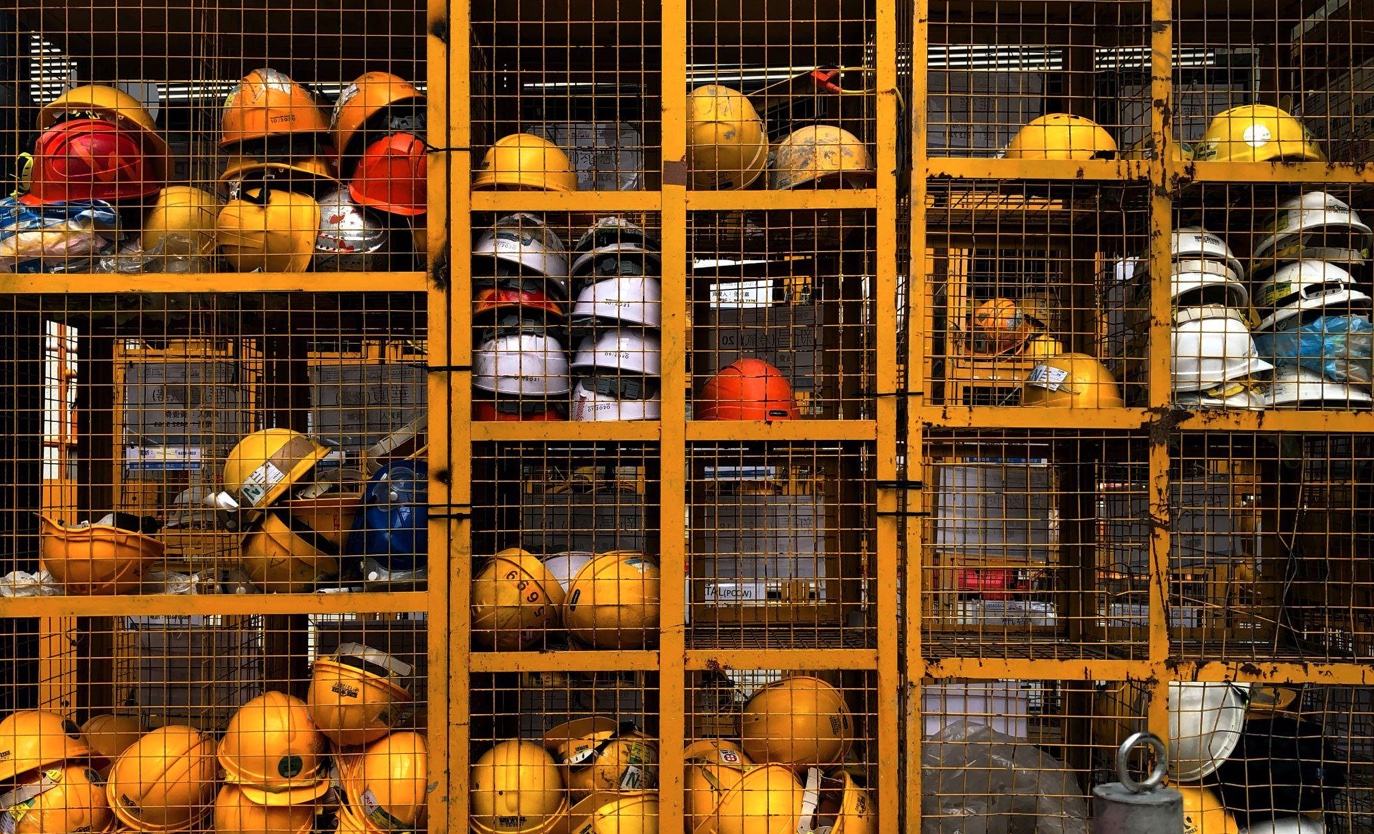
Failure to comply with safety regulations does not automatically create a separate lawsuit against your employer. However, evidence of safety violations may become relevant in certain proceedings, including third-party cases or disputes over benefits.
Independent Contractors and Employment Status Disputes
Liability questions often hinge on whether you are legally classified as an employee or an independent contractor. Employees are generally covered under the Workers’ Compensation Act and entitled to its benefits, while true independent contractors are typically excluded from mandatory coverage. Some industries, including construction, face closer scrutiny because misclassification has been a recurring enforcement issue in Connecticut.
Connecticut courts and the Workers’ Compensation Commission apply a right to control test, along with related factors, to determine your status. Decision makers look at who directs how the work is performed, how you are paid, whether taxes are withheld, who provides tools and equipment, and whether the work performed is part of the employer’s regular business. If you are found to have been misclassified, you may still qualify for workers’ compensation benefits, and the employer can face separate penalties under state labor laws.
Benefits, Disputes, and Appeals
Workers’ compensation benefits may include temporary total disability payments, temporary partial disability, and permanent partial disability awards. The Workers’ Compensation Commission oversees claims and resolves disputes between injured workers and insurers.
If your claim is denied or benefits are reduced, you have the right to request an informal hearing and, if necessary, a formal hearing before a workers’ compensation commissioner. Decisions can be appealed to the Compensation Review Board and, in limited circumstances, to the Appellate Court.
Understanding Your Legal Framework After a Workplace Injury
Workplace accident liability in New Haven is shaped largely by Connecticut’s workers’ compensation structure, with limited pathways to sue outside that system. Whether your situation involves a third party, a classification dispute, or a benefits denial, each issue depends on specific statutory rules and factual details.
When you understand how these components fit together, you can better assess what remedies may be available and what deadlines apply to your case.
Join the conversation!