
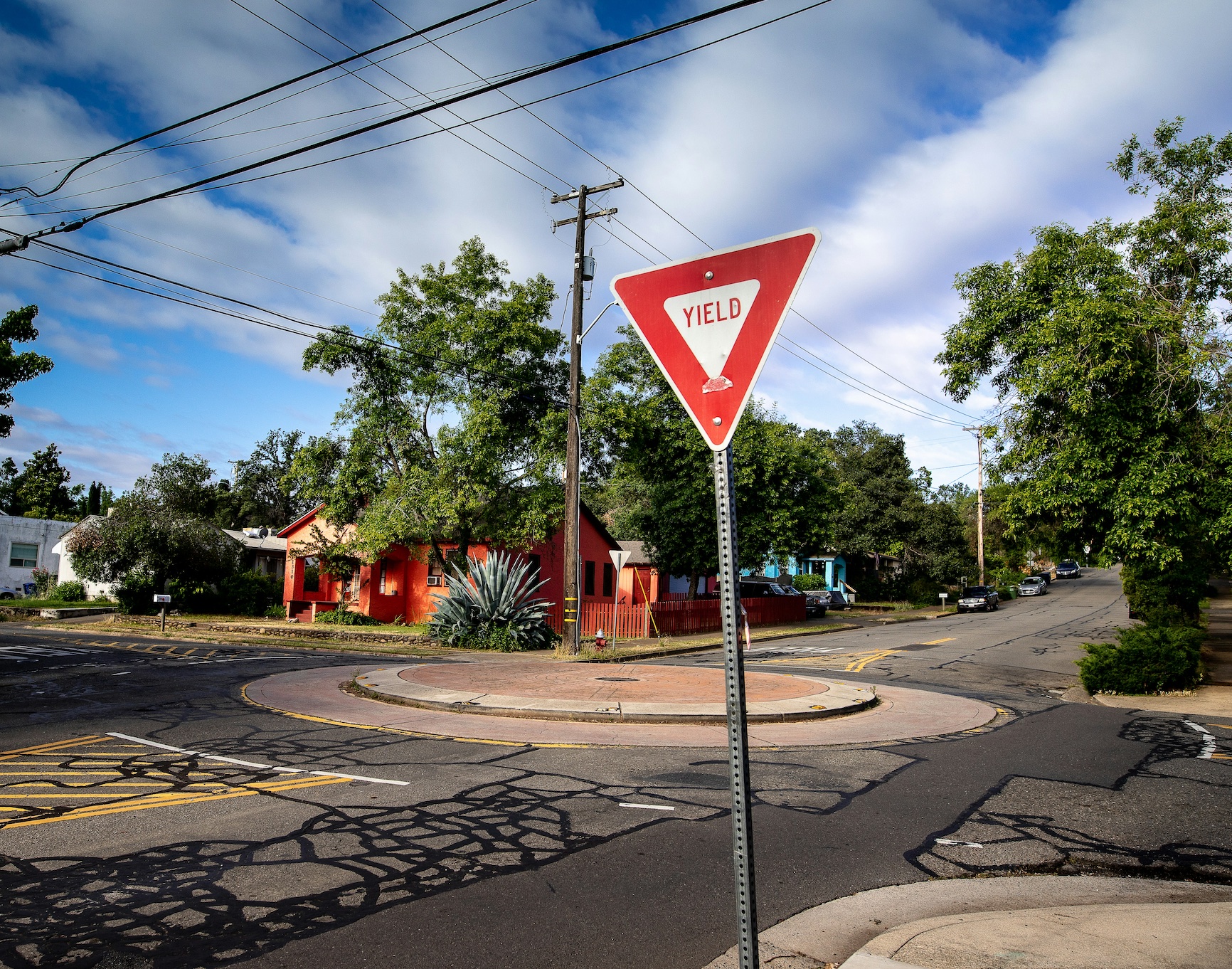
One of the biggest mistakes is when someone turns left without yielding because they think it’s their turn. That’s how crashes happen.
There’s something that confuses a lot of people: what to do at an intersection when there’s no sign at all. No stop sign. No yield sign. No traffic light. Nothing. This is called an uncontrolled intersection. And trust me, if you don’t know the rules, it can get messy really fast.
An uncontrolled intersection is just a place where two or more roads meet, but there’s no traffic control system there. That means no signs, no lights, no painted arrows, and no police officer waving at cars to go. Basically, it’s just you, your car, and whoever else shows up at the same time.
So what do you do when there’s no sign telling you who should go first? That’s when you need to know the right-of-way rules.
What Does “Yielding” Actually Mean?
To yield means to let the other driver or person go first. You slow down or even stop entirely so they can safely pass, and then you pass after they are out of the way.
The whole point is to stop people from guessing or arguing in the middle of the road. If there’s no sign at the intersection, you still have to use the yield rules. That means you figure out who gets the right-of-way, and you let them go first.
The 5 Rules for Uncontrolled Intersections
Now let’s break down the exact rules. These are the five main ones that tell you what to do when there’s no sign.
Rule 1: The Car That Arrives First Goes First
If you get to the intersection before everyone else, it’s your turn. Super simple. The green car that arrives first? That car has the right-of-way.
Rule 2: If Cars Arrive Together, the Right Side Wins
Sometimes, both cars might arrive at the intersection at the same time. In such a case, the driver on the left has to allow the driver on the right to pass safely before they can proceed. You could say that the person on the right always gets the right of way.
Rule 3: Turning Left? You Have to Wait
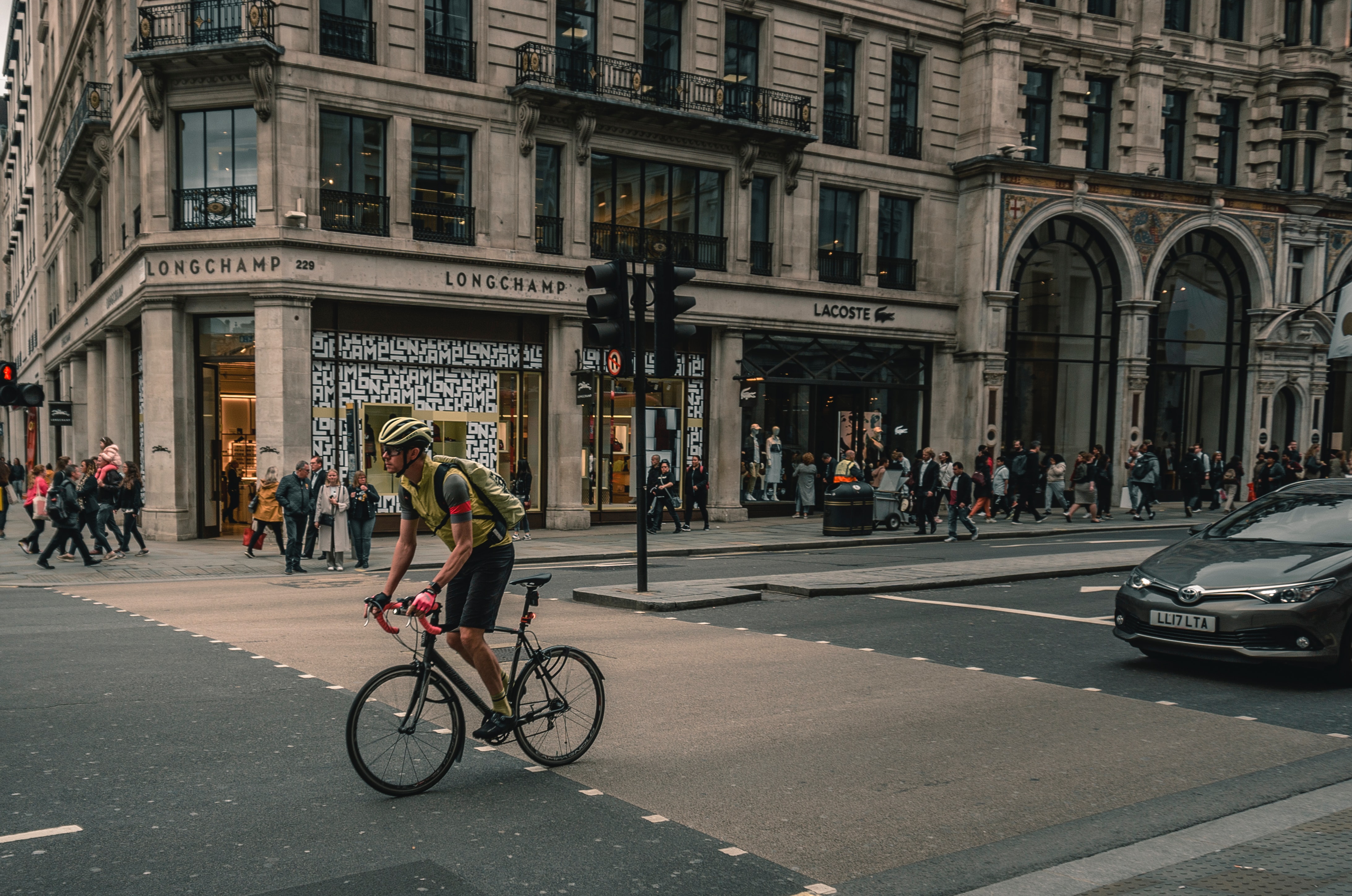
Even if you showed up first, if you’re turning left, you don’t get to go yet. You have to yield to any car coming straight through or turning right. That’s the rule.
Rule 4: People Always Come First
If there’s a pedestrian already crossing or about to step off the sidewalk, you yield to them. Always. Cars don’t beat people.
Rule 5: Two Cars Turning Left Can Go Together
If you and another car are both turning left across the intersection, you can both turn at the same time by passing in front of each other. No yielding needed there.
How to Handle It Safely
When you drive up to an uncontrolled intersection, here’s exactly what you should do:
- Slow way down. Don’t zoom in blind.
- Look everywhere. Check for cars and especially for pedestrians hiding behind parked cars or trees.
- Yield the right of way if another car or person is already in the intersection.
- If two cars are close, follow the rules.
- Only move forward when you’re sure it’s safe.
Also, don’t assume the other driver will follow these rules. Some drivers either forget, don’t know, or just don’t care. Never trust that someone will yield until you see them actually slowing down or signaling.
One of the biggest mistakes is when someone turns left without yielding because they think it’s their turn. That’s how crashes happen.
Recap of Main Points
- The first car gets the right-of-way.
- If cars arrive together, the right side wins.
- Left turns always yield to straight traffic.
- Pedestrians always beat cars.
- At T-intersections, the road that ends must yield.
Join the conversation!