
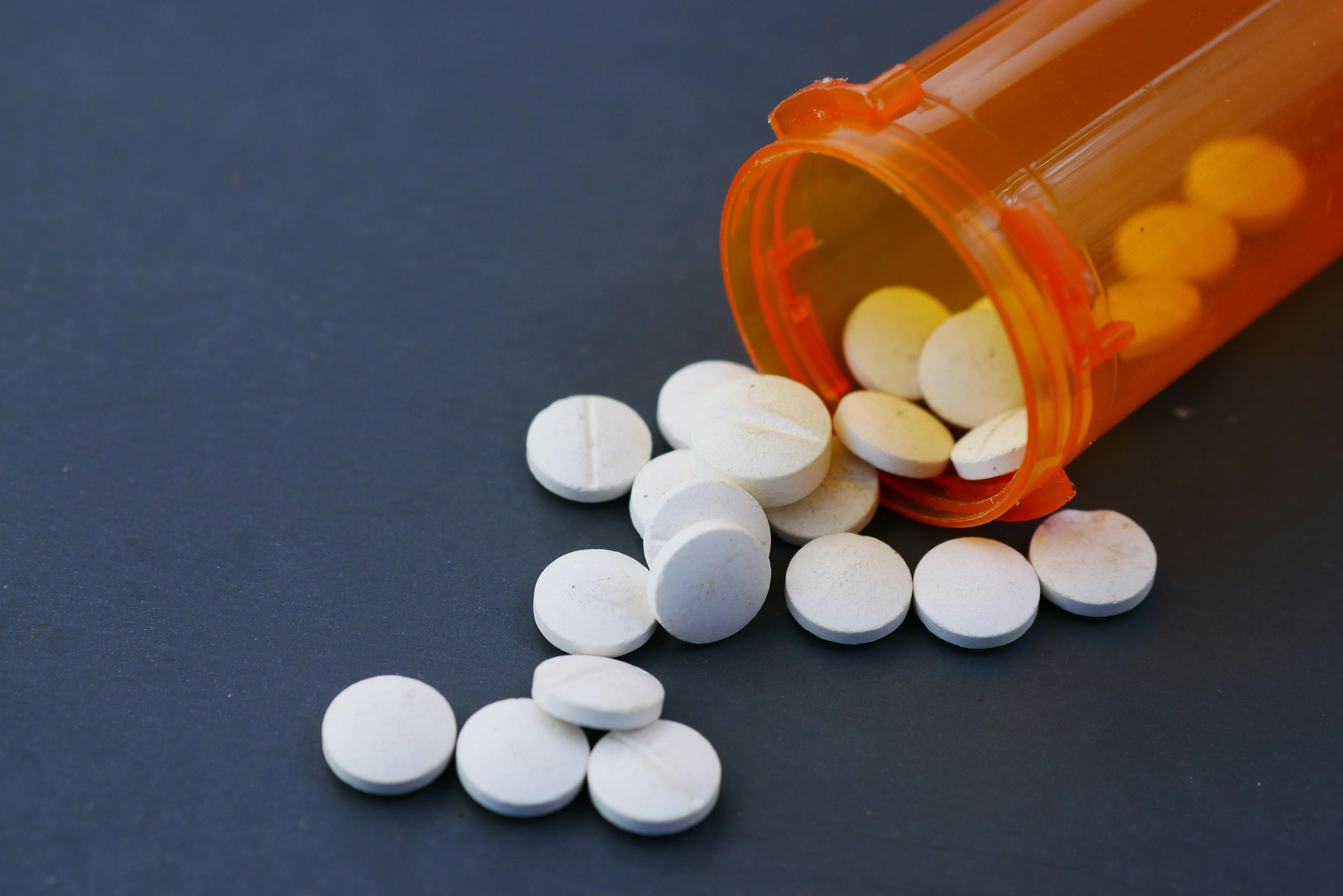
Utah tests AI prescription renewals, raising hopes for access and safety worries.
An pilot artificial intelligence system is now renewing some prescriptions for patients in Utah without a doctor directly signing off on each case. The state has launched a limited trial that allows software to handle repeat prescriptions for certain common drugs, making it the first program of its kind in the United States. Supporters say the effort could lower costs and help patients avoid gaps in care, while many doctors say the change raises safety and responsibility concerns.
The program began recently and focuses only on renewals, not first-time prescriptions. Patients answer a series of health questions through an automated system, which also checks their prescription history. If the information matches approved criteria, the renewal is sent straight to a pharmacy. State officials describe the program as a response to long wait times, staff shortages, and access problems, especially in rural parts of Utah where medical offices can be hard to reach.
Utah’s Department of Commerce approved the project through a temporary rule waiver that allows new technology to be tested under close review. The pilot is being run with a health technology company called Doctronic. State leaders say the goal is to see whether low-risk tasks can be handled safely by software while freeing doctors to focus on more complex care. They also point to rising healthcare costs and say new approaches are needed to keep routine care affordable.

Many physicians and medical groups are uneasy about the change. They argue that even routine prescription renewals involve judgment that cannot be fully captured by preset questions. Doctors often catch early warning signs during simple visits, such as changes in symptoms, side effects, or drug interactions. Physician leaders say that removing a human decision-maker, even in limited cases, increases the chance that subtle problems will be missed.
Doctronic’s founders say safety has been built into the pilot system from the start. During the early phase of the program, a doctor reviews the first group of renewals for each type of medication. After that, a portion of renewals is still checked at random. The company also says it limits the system to a list of about 190 commonly used drugs. Medications related to pain control, attention disorders, and injectable drugs are excluded.
The company reports that its system reaches the same decision as human clinicians in the vast majority of cases. It also carries a special insurance policy meant to cover errors made by the software, placing legal responsibility on the program itself. Supporters say this shows confidence in the technology and helps address concerns about accountability if something goes wrong.
Still, critics note that even a small error rate can affect real people when applied to large numbers of patients. A missed allergy, a change in kidney function, or a new symptom may not fit neatly into an automated checklist. Doctors stress that healthcare decisions often depend on context, past experiences with a patient, and the ability to sense when something feels off, even if answers appear normal.
The debate reflects a larger struggle happening across healthcare. Artificial intelligence tools are spreading quickly, but medical rules are set at the state level and tend to move slowly. Lawmakers are trying to encourage innovation without putting patients at risk. Many doctors support using AI for paperwork, scheduling, and decision support, but draw a firm line at letting software act alone.
Utah’s pilot will be closely watched by other states, health systems, and regulators. If it continues without major problems, similar programs could follow elsewhere. If issues arise, it may slow or reshape how AI is used in patient care. For now, the program stands as a test of how far automation can go in medicine, and where human judgment may still be seen as essential.
Sources:
As Utah lets AI handle some routine prescription renewals, physicians warn of patient risks
Utah launches nation’s first test of AI for prescription drug renewals
Join the conversation!