
Virginia enacts new kratom restrictions following addiction concerns and reports.
A new, stricter Virginia law involving kratom sales was put into effect by regulators after a growing number of social media videos and stories from families affected started to circulate. The new law, sponsored by Del. Joshua Cole of Fredericksburg and recently signed by Gov. Abigail Spanberger, places limits on how kratom products can be sold across the state.
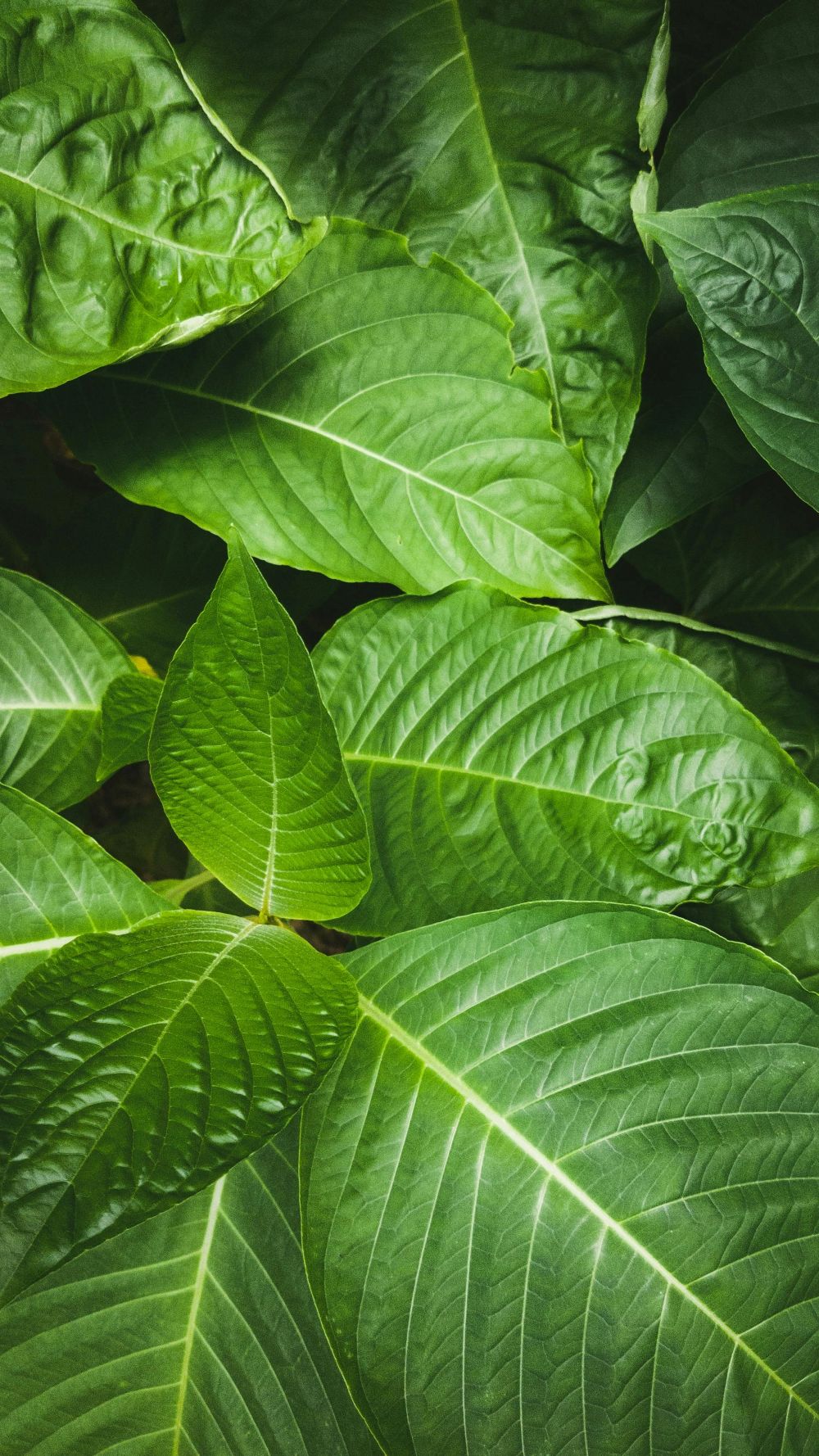
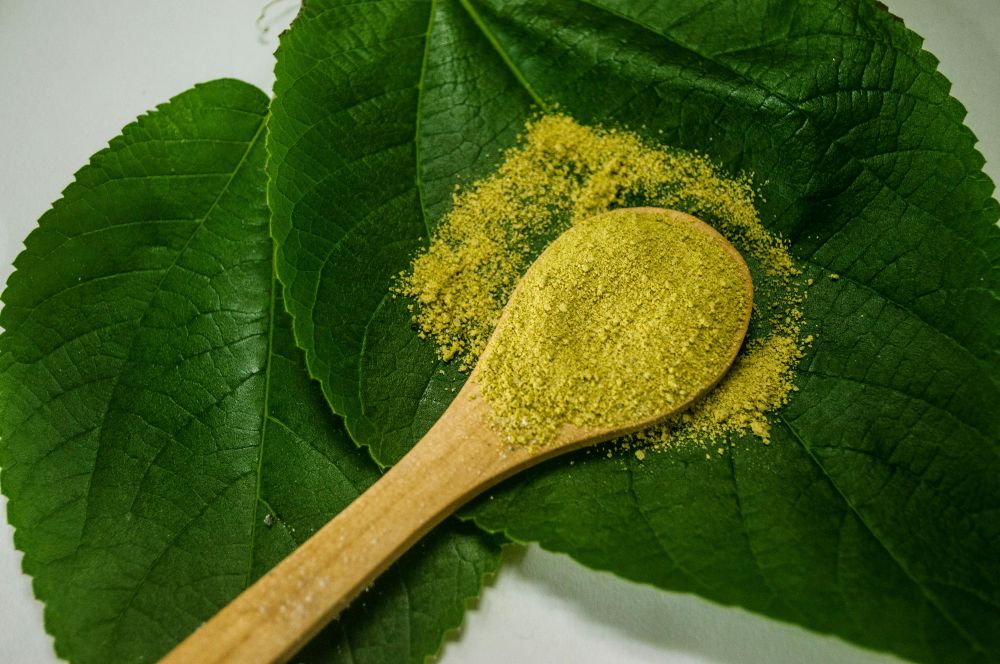
Kratom, which comes from a tropical tree native to Southeast Asia, has gained popularity in recent years. Depending on the amount taken, it can produce different effects. Some people use kratom for energy, focus, relaxation, or pain relief, just depending on the specific type consumed. While the substance remains legal, health officials and lawmakers have become increasingly concerned about reports of dependence and withdrawal symptoms among some users.
Similar to alcohol under the new law, stores can no longer sell kratom products to anyone under the age of 21. Retailers must also keep the products behind a counter or in a locked display case. In addition, packaging must include warnings about possible health risks. The law also bans products containing 7-hydroxymitragynine (7-OH), a byproduct of the plant and chemical linked to stronger effects.
Cole said the issue first caught his attention after seeing videos online that resembled public service announcements (PSAs). The clips showed people standing outside convenience stores asking strangers to purchase a drink known as Feel Free, a tonic that contains kratom. The videos led Cole and his staff to learn more about the growing market for kratom-based drinks and supplements. Cole met families who shared their personal experiences. Among them was Chesterfield County resident Dean Francis, whose son Cameron developed a dependence on kratom after first trying it as an alternative to alcohol.
According to his father, Cameron was a dedicated college athlete who avoided drinking and other substances that could interfere with his training. Friends introduced him to kratom as a social drink that was promoted as a safer option than alcohol. At first, the substance appeared to help with his focus and energy. Over time, however, those positive effects faded.
Francis said the family struggled to understand what was happening as Cameron’s condition worsened. The turning point came when he experienced severe withdrawal symptoms and required emergency medical care. Doctors initially suspected illegal drug use because of the symptoms he was having at the time. The family later learned that kratom was responsible for these.
Today, Cameron is recovering, but the road has been difficult. His father said treatment and ongoing support have been necessary as he works to rebuild his life. The family hopes that greater awareness will help prevent others from facing similar challenges. Because of these challenges, products sold in Virginia must now disclose that kratom may cause dependence and withdrawal symptoms similar to those associated with opioids in addition to following stricter rules.
Some organizations and advocates representing kratom businesses objected to the language used on warning labels, arguing that it paints the substance in an unfair light. These advocates urged the governor to replace the warning with a less severe statement indicating that kratom may be habit-forming. However, the request was rejected, and the bill became law without these changes.
Virginia has examined its kratom issue before. Two years ago, in 2024, the state pharmacy board declined a request to classify kratom as an illegal drug, stating that the available evidence at the time did not support doing so. Instead, state leaders have chosen a regulatory approach that allows sales to continue while placing stricter restrictions on access and pushing for more consumer awareness.
Join the conversation!