
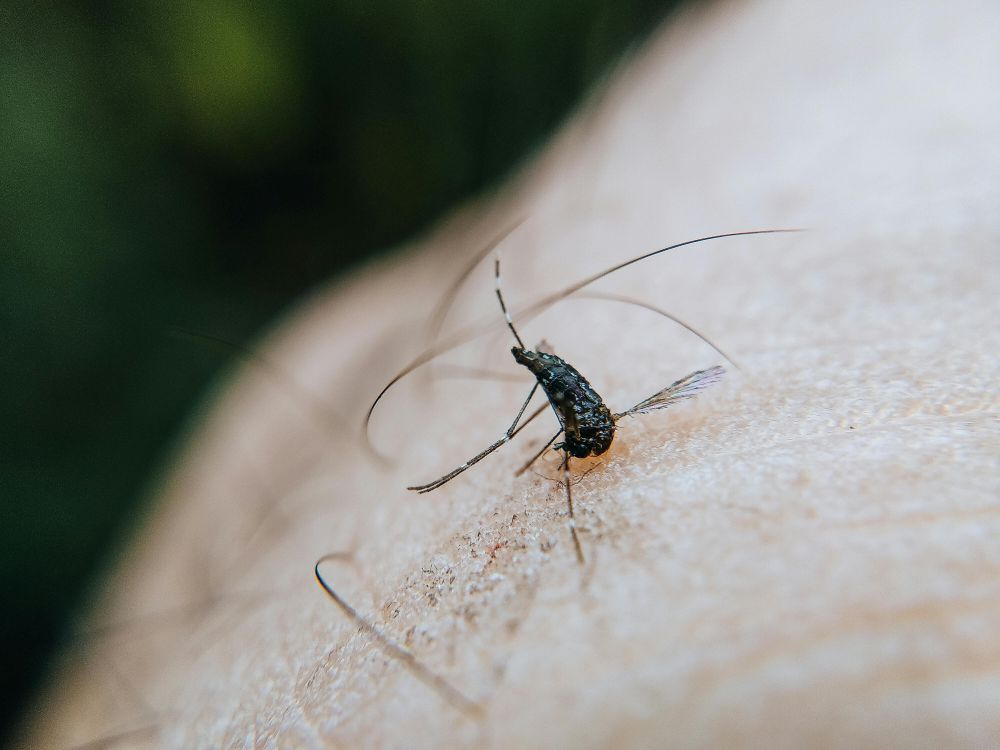
Health alert issued after West Nile virus found near homes.
A popular resort town in southern Spain is facing new health concerns after mosquitoes carrying West Nile virus were found near residential areas. The discovery was made in Malaga, a coastal city in the Andalusia region known for its beaches and year-round tourism. Local health officials have placed the area on a four-week alert, warning residents and visitors to take precautions against mosquito bites as monitoring efforts increase through early November.
The alert followed confirmation from the Andalusia Health and Consumer Department that the infected mosquitoes tested positive for the virus. West Nile can be transmitted to humans through mosquito bites and, while often mild or symptom-free, it can cause serious illness in rare cases. Neighboring towns including Tahivilla and La Luisiana have also reported similar findings, raising wider concerns across southern Spain.
West Nile virus infections usually go unnoticed, but when symptoms do appear, they can be severe. Those infected may experience fever, headaches, or in extreme cases, neurological complications that resemble stroke symptoms. One former patient told the BBC that after contracting the virus, he suffered from muscle weakness and tremors that lasted for more than a year. Such long-term effects highlight the potential danger of what is often mistaken for a mild infection.
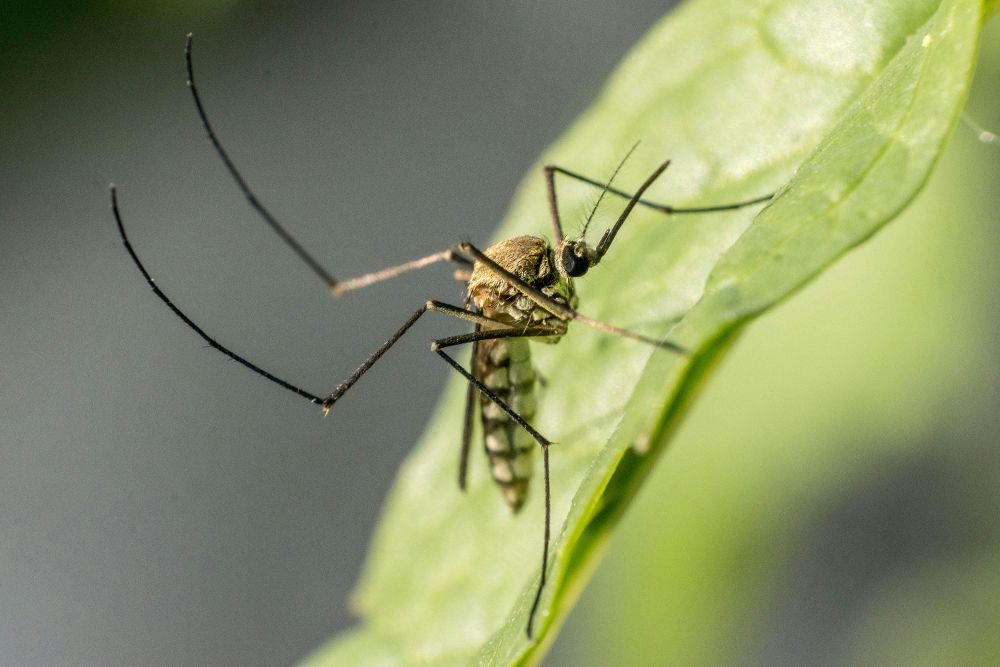
Across Europe, the number of West Nile cases has been steadily climbing. Between June and September, thirteen countries reported nearly a thousand cases and sixty-three deaths, according to health officials—well above the ten-year average. In the United States, infections are also rising, with this year’s reported numbers running about forty percent higher than normal. Experts believe that changes in global climate patterns are partly responsible for the increase.
Rising temperatures and longer periods of rainfall have created ideal breeding conditions for mosquitoes. Pollution that traps heat in the atmosphere has caused warmer, wetter weather in many regions, allowing mosquito populations to expand into places that were once too cool for them to survive. In turn, diseases like West Nile are spreading into new areas, reaching communities that have not faced this threat before.
There is currently no vaccine or medication that can prevent or cure West Nile virus in humans. The best defense remains avoiding mosquito bites altogether. Health officials recommend practical steps such as wearing long sleeves and pants, using insect repellent, and staying indoors during dusk and dawn when mosquitoes are most active. Keeping window and door screens in good condition can also help reduce the risk of exposure.
For popular tourist destinations like Malaga, this warning comes at an especially challenging time. The region depends heavily on tourism, and reports of mosquito-borne illness could discourage visitors. Local authorities are balancing public safety with the need to maintain confidence in their tourism industry. Increased monitoring, public education campaigns, and pest control efforts are being deployed to limit the spread.
Scientists warn that the situation could worsen if environmental factors continue to shift. The longer warm seasons stretch on, the greater the chance mosquitoes have to breed and transmit diseases. While most cases remain mild, health officials are urging vigilance to prevent outbreaks that could place greater strain on medical systems.
For now, the public alert in southern Spain serves as both a warning and a reminder. The world’s changing climate doesn’t just influence weather patterns—it can affect health in very direct ways. As mosquitoes thrive in the new conditions, diseases once considered rare are becoming more common, reaching even the most visited vacation spots. Officials hope that awareness, prevention, and timely action can keep the risks at bay as the region works to protect both its residents and its visitors.
Sources:
Health officials issue warning as deadly disease reaches popular tourist hotspot: ‘Really worrying’
West Nile Virus fear as infected mosquitoes found in three Andalucian towns
Join the conversation!