
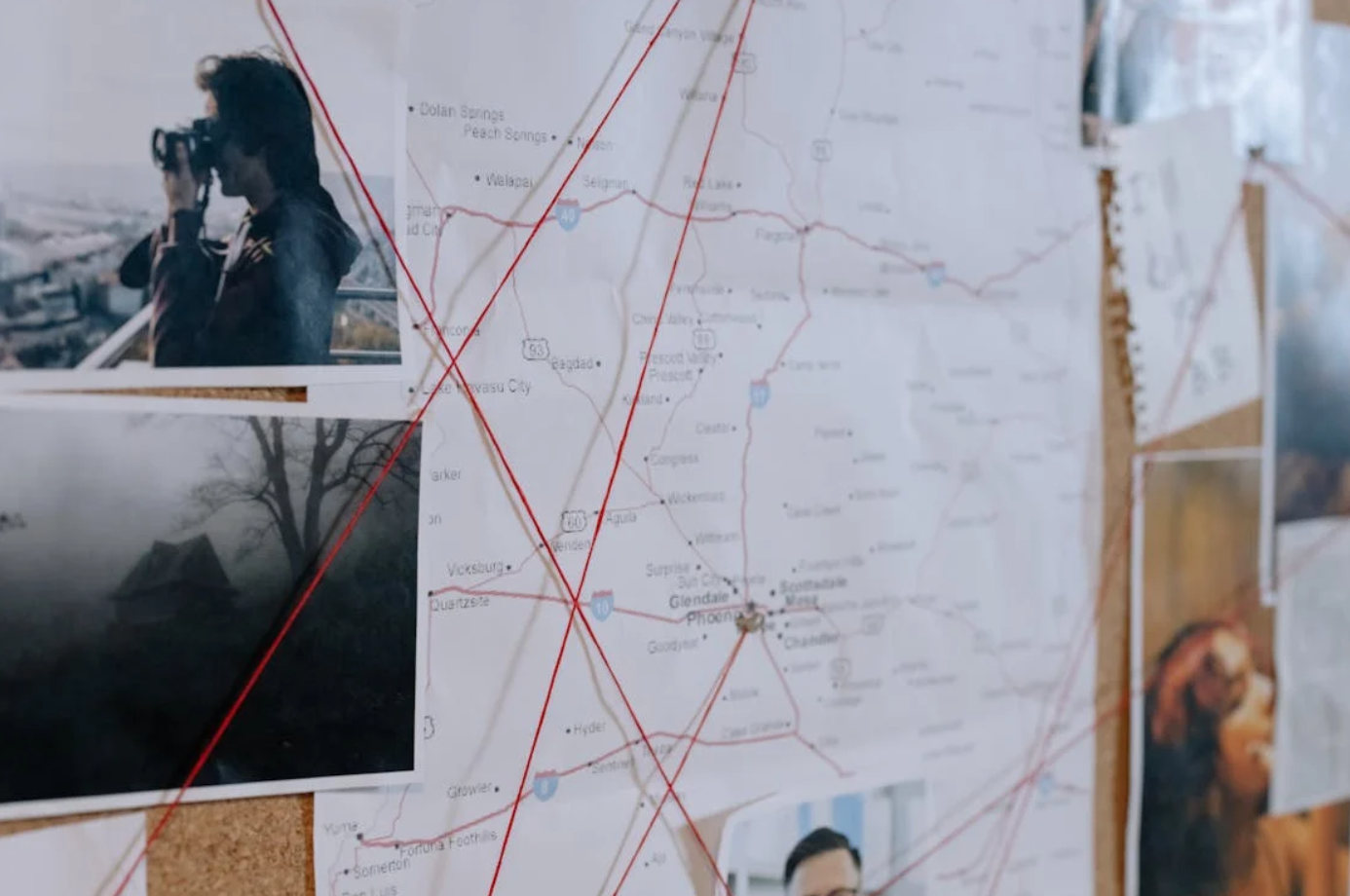
Suspicion is only the beginning, not the conclusion. Surveillance exists to confirm facts through lawful observation and solid documentation.
Street level surveillance only succeeds when preparation and execution are handled the right way. You see, what you watch, where you wait, and how you document will shape the final record. If the evidence won’t stand up to the scrutiny of the courts, it is completely worthless.
That is why experienced teams, like Paramount Investigative Services, have a stringent process for planning, documentation, and careful field work. They know surveillance is more than a gadget race. The most high tech camera on the market means nothing if what is captured with it can be thrown out by a savvy prosecuting attorney. Effective surveillance is a test of habits and judgment, and this guide lays out practical points that matter to both consumers and to those investigators doing the work.
Legal and Consent Basics
There are specific laws surrounding what evidence can be collected and how it must be handled in order to be admissible in court. Even private surveillance has to respect privacy rights, rules for audio recording, and limits on where and when observation can occur. The law is the law, and a private investigator is never above it.
Filming in public spaces is generally lawful, but once you step onto private property, consent from the owner or a clear right to be present is usually necessary.
Audio evidence is a little more complicated, and as such, should generally be a last resort. Recording consent requirements differ from state to state, and in two party consent states, everyone involved in a private conversation must agree to being recorded. Ignoring that rule can not only harm your case, but it can also put the investigator at risk for facing legal penalties up to and including loss of license. If there is no other option but to use audio evidence, be sure to review both federal wiretap law and your state statutes, and tailor all of your procedures such that they stay inside those boundaries.
Expectation of privacy also comes into play when using long lenses or thermal devices from public locations. Courts consider where you were, how long you watched, and how invasive the method was. A cautious approach reduces both risk and unwanted attention. When in doubt, keep your distance, limit how long you record, and talk to counsel before using any sensitive audio or technical equipment.
Planning Objectives That Keep Work Focused
In any investigation, focus is the difference between solid evidence and wasted effort. Clear objectives guide that focus. They help an investigator decide what matters most, what to record, and when to step back. Without a plan, even a seasoned investigator might drift off target or miss something critical.
Before heading into the field, an investigator should set specific goals that tie directly to the client’s question. Likewise, a consumer should ask about what these goals are. What outcome are you trying to prove or disprove? What events or details will confirm it? From there, plan the observation window, the subject’s routine, and the minimum documentation needed to answer the question.
Good planning is the thing that keeps surveillance work on track, and also what is generally responsible for success. When the purpose is clear, every move serves the investigation instead of reacting to chance. Good planning takes into account simple factors like daylight, traffic flow, and neighborhood activity that could affect timing or visibility. These are small, but critical!
A few planning habits that help:
- Map vantage points and alternate spots in case weather or construction changes access.
- Note sensitive areas such as schools, clinics, or places of worship to stay compliant and ethical.
- Establish a communication check so team members know when and how to report updates.
One of the things that attracts so many new investigators to the field is the fact that no day on the job will ever be the same. That also means that no matter how well you plan, you will more often than not encounter the unplanned. Contingencies keep you flexible when routines shift or conditions change.
Carry layers for temperature swings, a discreet camera setup, and a reliable backup power source. Written notes help reduce phone use and keep attention on the surroundings rather than the screen. And last but not least, don’t underestimate the value of carrying around a short decision tree you can refer to when you are wondering when to pause, pursue, or hand off coverage if things become unsafe or unproductive. A quick breath and review of the plan can prevent missteps.
Good planning not only keep the work focused, it also keep it credible.
Fieldcraft and Technology That Actually Helps
When you are out in the real world, good fieldcraft always beats out shiny new gear. Equipment fails and batteries die, and it will never fail that the person you are watching never does exactly what you expect. The trifecta of skill, patience, and attention to detail still win the day.
What exactly is fieldcraft? It is the process; the nuts and bolts that carry you through the surveillance day.
Start by arriving early. Watch how the street behaves. Notice the rhythm of traffic, how the light changes, and which windows reflect enough to ruin a shot. Take a short walk to test your angles so you catch blind corners and awkward sight lines before they surprise you. This simple bit of prep time is worth more than any gadget, and any seasoned investigator will affirm this.
Use a camera that stamps time correctly, and double check it against your phone. Come prepared with extra storage cards, and cover the lens when moving. Be sure to also have a rain plan that keeps your gear safe during a scramble for cover. Even low light work gets easier with a steady tripod, and a clean lens. And a calm body helps too; stillness is underrated.
GPS tools can be helpful for tracking routes, but only if used within the law. Some states limit where and when you can place trackers, especially on personal cars, so be sure you know what you can and cannot do. Misuse can bring legal trouble faster than you can say “hefty fine.”
Counter surveillance awareness is what keeps you invisible and sane. Rotate vehicles, vary your routes, and change how you carry yourself so you blend into the crowd. If you sense that someone has noticed you, step away. You will still want to make a quick note about what happened, and then you will want to wait until things settle before returning.
The moral of the story here is that the best investigators do not rely on luck or gear.
Documentation and Evidence Handling That Stand Up
Courts and claims reviewers pay close attention to clarity, timing, and continuity. Every clip, photo, or log that supports an assertion needs to tell a clean, consistent story. Begin your report within twenty four hours while details are still sharp and supporting material is easy to reach. Record the location, date, time, weather, and any gaps in coverage so nothing looks unexplained later. Label each file by date, device, and location. Keep original recordings separate from edited versions meant for presentation.
A simple, organized folder system saves enormous time when a request for evidence comes months later. Maintain a witness log that links each piece of footage to the person who observed or captured it. For extra guidance, review a digital evidence manual from a national justice or law enforcement agency.
Going beyond mere organization, the chain of custody becomes critical once surveillance crosses into formal legal or insurance review. List who handled each recording, when the transfer took place, and how the file’s integrity was checked after each move or copy. Attach screenshots that show file hashes or metadata, then store the originals on a medium that cannot be overwritten.
Privacy by design protects bystanders, private addresses, and minors who appear in the frame. Blur faces where appropriate, mask house numbers, and remove medical information or other identifiers. Judges and clients notice careful handling, and that professionalism often prevents disputes before they begin.
Privacy, Safety, and Public Interest
Surveillance carries with it a public interest dimension because careless conduct can spill beyond the target and harm innocent bystanders. Just think about how often surveillance will occur close to schools, medical offices, and private homes where children play. These are critical things to consider before you pick a site. And it goes without saying: do not trespass, do not block driveways, and do not provoke encounters that could escalate needlessly today.
Health and fatigue risks are real on long watches, so rotate roles and set alerts for breaks. Eat simple food, log caffeine, and hydrate on schedule, which supports observational accuracy during long coverage. A tired mind misreads normal behavior, and that can lead to errors that damage cases over time.

What To Remember
Suspicion is only the beginning, not the conclusion. Surveillance exists to confirm facts through lawful observation and solid documentation. The best results come from patience, clear goals, and consistent reporting. Those habits create records that hold up when questioned from every angle later on.
If you need perspective, reach out to a licensed investigator or firm that values accuracy over assumption. The right professional knows that facts speak louder than guesses.
When it comes to report writing, stay neutral. Avoid language that assumes motive or intent, and keep speculation out of the record. Note what you saw and heard, along with the time, place, and where you were positioned when it happened. Save opinions for private discussions with the client or counsel, where context can be reviewed carefully. Clear, factual notes protect both the investigator and the integrity of the case.
Join the conversation!