
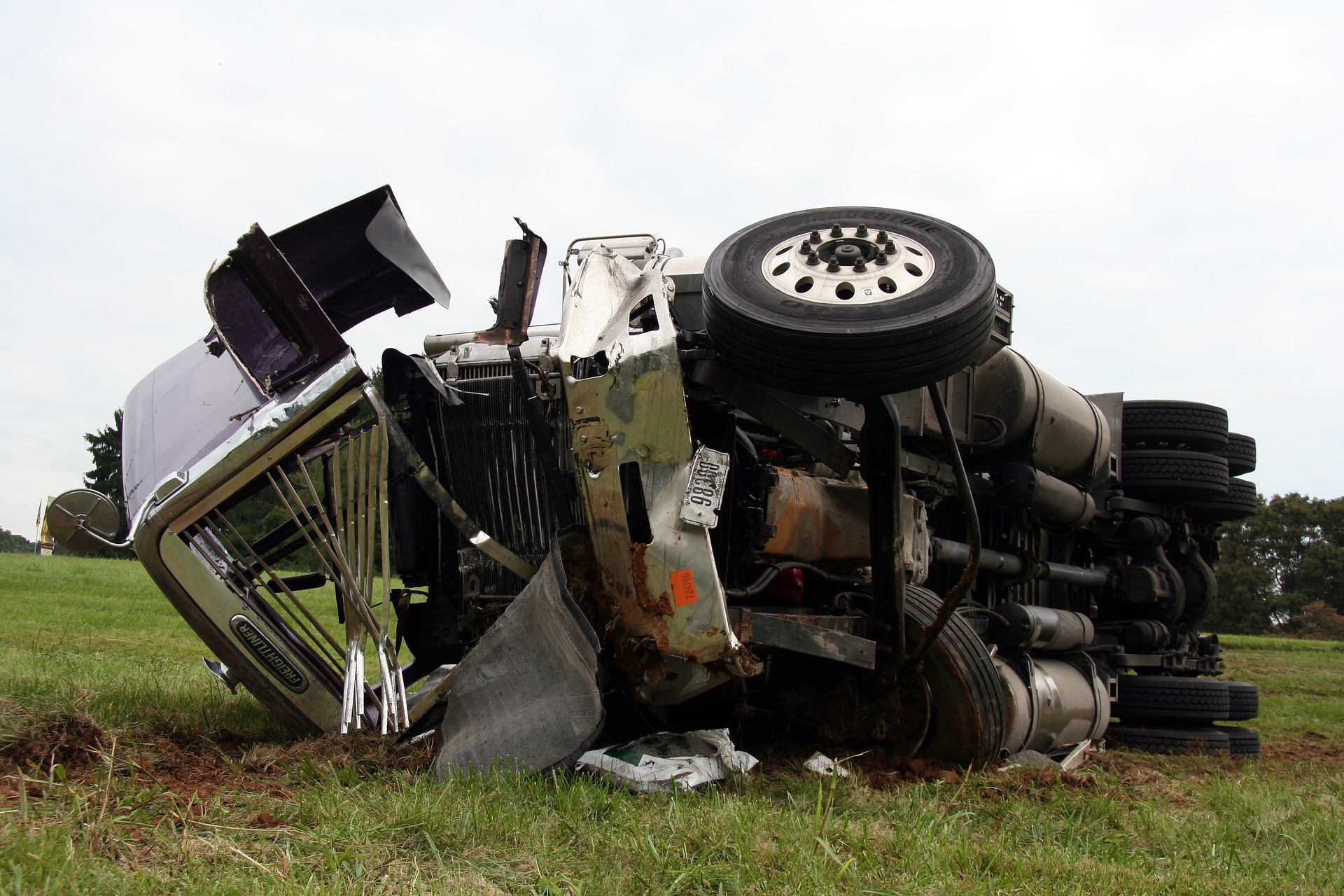
Footage from dashcams, nearby businesses, or traffic cameras can be the strongest form of evidence, as it captures moments that words might miss, such as speeding or ignoring signals. In many cases, this visual proof becomes the deciding factor in determining liability.
A trucking wreck can turn an ordinary day into a nightmare of pain, confusion, and unanswered questions. In the minutes and hours after the crash, it’s easy to feel overwhelmed by what comes next. However, what you gather in these early moments often determines how your case unfolds later.
Evidence tells the whole story. It shows who was responsible, how the crash happened, and what losses followed. Since some evidence can disappear quickly, it’s important to know which you must collect and preserve following a truck accident. Our guide highlights the must-have pieces of evidence for your claim.
The Most Important Types of Evidence in Trucking Accidents
After a trucking wreck, what you can prove matters more than what you remember. The right evidence helps show who caused the crash and how it happened. Here’s what you need.
Police Reports and Initial Findings
Police reports are usually the first layer of documentation, as officers record who was involved. They also note visible injuries and often include an opinion on fault. While not final proof, these reports create a timeline that can guide further investigation. They’re also used by insurers and courts as a reliable reference point.
Dashcam or Surveillance Footage
Footage from dashcams, nearby businesses, or traffic cameras can be the strongest form of evidence, as it captures moments that words might miss, such as speeding or ignoring signals. In many cases, this visual proof becomes the deciding factor in determining liability.
A Portland trucking wreck attorney will work quickly to secure these recordings before they’re erased or overwritten. They also deal with the legalities of the situation, giving you the peace of mind to recover from the accident.
Driver Logs and Work Hours
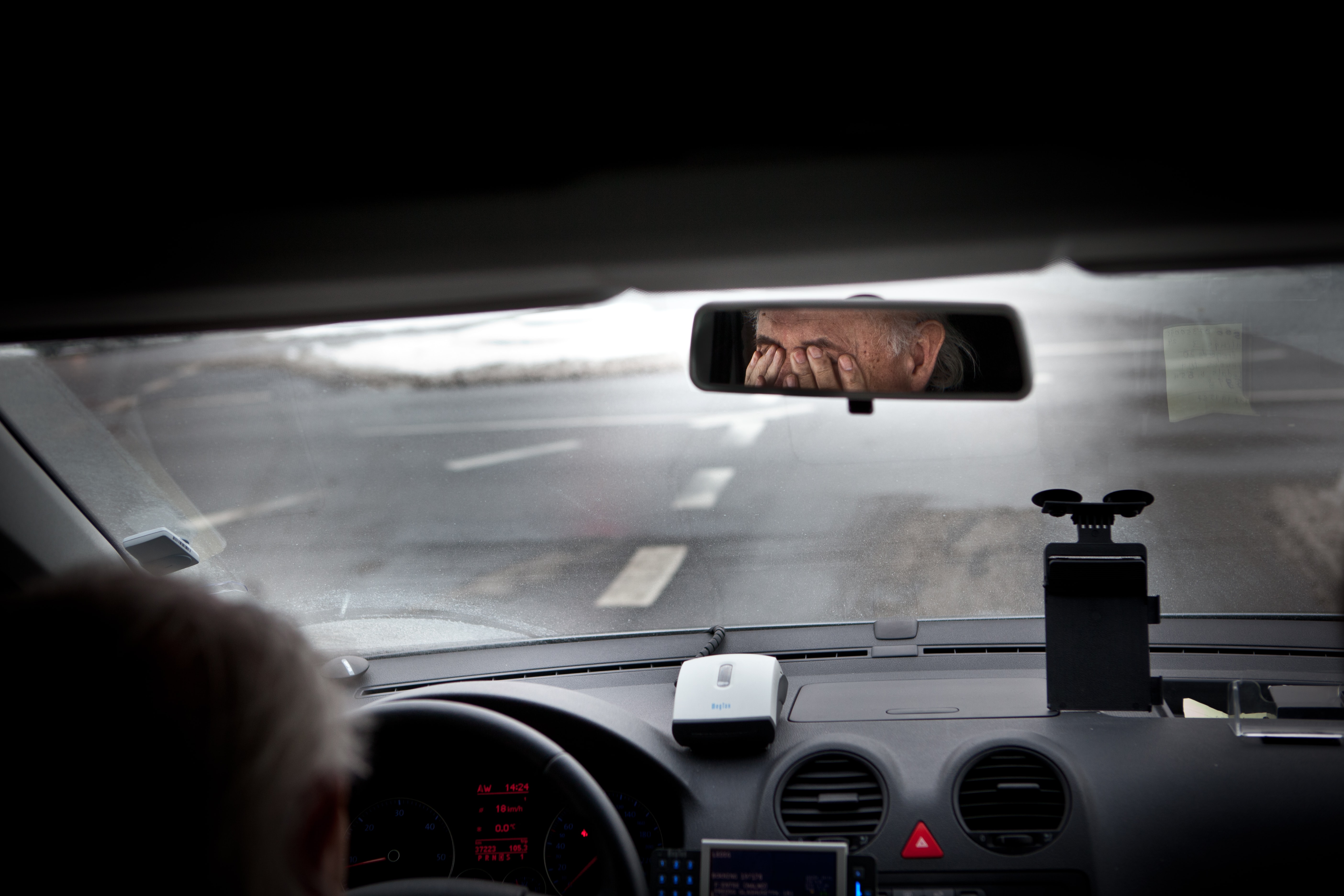
Federal rules limit how long truck drivers can stay behind the wheel without rest. While federal hours-of-service regulations put this limit at 11 hours, many drivers violate these guidelines. An attorney can review driver logs to find violations that point directly to negligence. Their proficiency in US trucking accident laws can help them connect these violations to the crash.
Black Box and GPS Data
Most commercial trucks have electronic data recorders, called “black boxes,” which track speed, braking, and steering in the seconds before impact. GPS data further shows routes and driving times. The data can be analyzed together to prove if a driver was reckless or if there was a mechanical issue at play.
Maintenance and Inspection Records
Records showing skipped inspections or ignored warning signs can reveal patterns of neglect. These details often become paramount in holding trucking companies accountable for unsafe practices.
Endnote
The complexity of trucking accidents makes it easy for you to feel lost in the paperwork and process. However, collecting the right evidence at the right time gives your case strength. Bring a reliable attorney into the picture, and they’ll further help make sure the truth doesn’t get buried under corporate defense or missing records. In the end, this evidence will be your ally in reaching fair compensation and accountability.
Join the conversation!