

Prioritise safety, document the scene, and stay in communication with insurers and, if necessary, legal experts.
Even the smallest accident can rattle your nerves. A low‑speed bump in traffic might not cause serious damage, but it can still leave you shaken and unsure of what to do next. Between exchanging details, assessing damage and making sure everyone’s okay, it’s easy to feel overwhelmed.
The good news is that a calm, step‑by‑step approach can make a big difference. And if you find yourself needing extra guidance on what comes next, Mayor Law can provide advice that helps you handle things properly.
Stay Calm and Check for Injuries
The first few moments after a fender bender are crucial. Take a deep breath and check on everyone involved. Even in a minor crash, people can suffer from shock or soft‑tissue injuries that aren’t obvious at first. If anyone is hurt, call emergency services immediately and follow their instructions while you wait.
If you’re safe and able, move your vehicle out of the flow of traffic to reduce the risk of further accidents. Turn on your hazard lights and stay aware of your surroundings.
Document Everything on the Spot
Once everyone is safe, gather as much information as you can. Take clear photos of all vehicles involved, any visible injuries, and the surrounding area. Capture images from different angles to provide a full picture of the scene.
Swap contact and insurance details with the other driver. If there are witnesses, ask for their names and phone numbers too. This documentation can be incredibly helpful when dealing with insurers or if questions arise later.
Notify the Authorities When Needed
In some cases, you’ll need to report the accident to police or local authorities — this might depend on your location or the extent of the damage. Even if it’s not legally required, having an official record can help if you need to lodge a claim. When you do report it, stick to the facts and avoid speculation about who was at fault.
Contact Your Insurance Provider
After you’ve left the scene, get in touch with your insurer as soon as possible. Most companies have a specific timeframe in which accidents need to be reported. Provide them with the details and evidence you’ve collected, including photos, witness contacts and any official reports.
Your insurer can guide you through next steps, such as getting quotes for repairs or arranging an assessment. Keeping them informed early helps prevent delays later on.
Watch for Delayed Symptoms
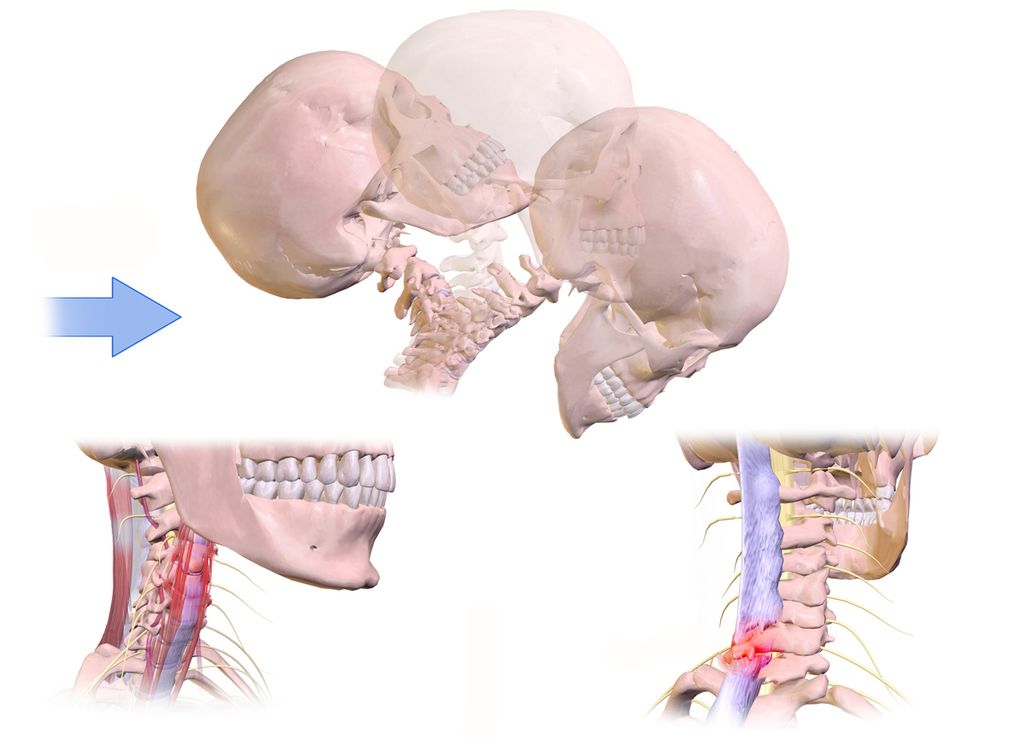
Even if you felt fine immediately after the crash, keep an eye on how you feel in the days that follow. Whiplash, bruising and joint pain can show up hours or days after an accident. If you notice new or worsening symptoms, see your doctor promptly and let them know about the incident.
Keeping a record of medical visits and advice is also useful if you need to follow up with insurance or legal support later.
Take Care of Repairs and Follow‑Up
Once you’ve spoken with your insurer, arrange for your car to be assessed and repaired. Stick to authorised repairers if your policy requires it, and keep copies of all invoices and correspondence. This ensures there’s a clear paper trail in case of disputes.
If you’ve had time off work or ongoing medical appointments, keep track of those too. They can be important if you later discover a need to recover costs.
Moving Forward with Confidence
A fender bender might feel overwhelming in the moment, but with a little preparation and a calm approach, you can handle it smoothly. Prioritise safety, document the scene, and stay in communication with insurers and, if necessary, legal experts.
By taking these steps, you reduce stress, protect yourself from unexpected costs, and get back on the road with confidence knowing you’ve handled things the right way.
Join the conversation!