
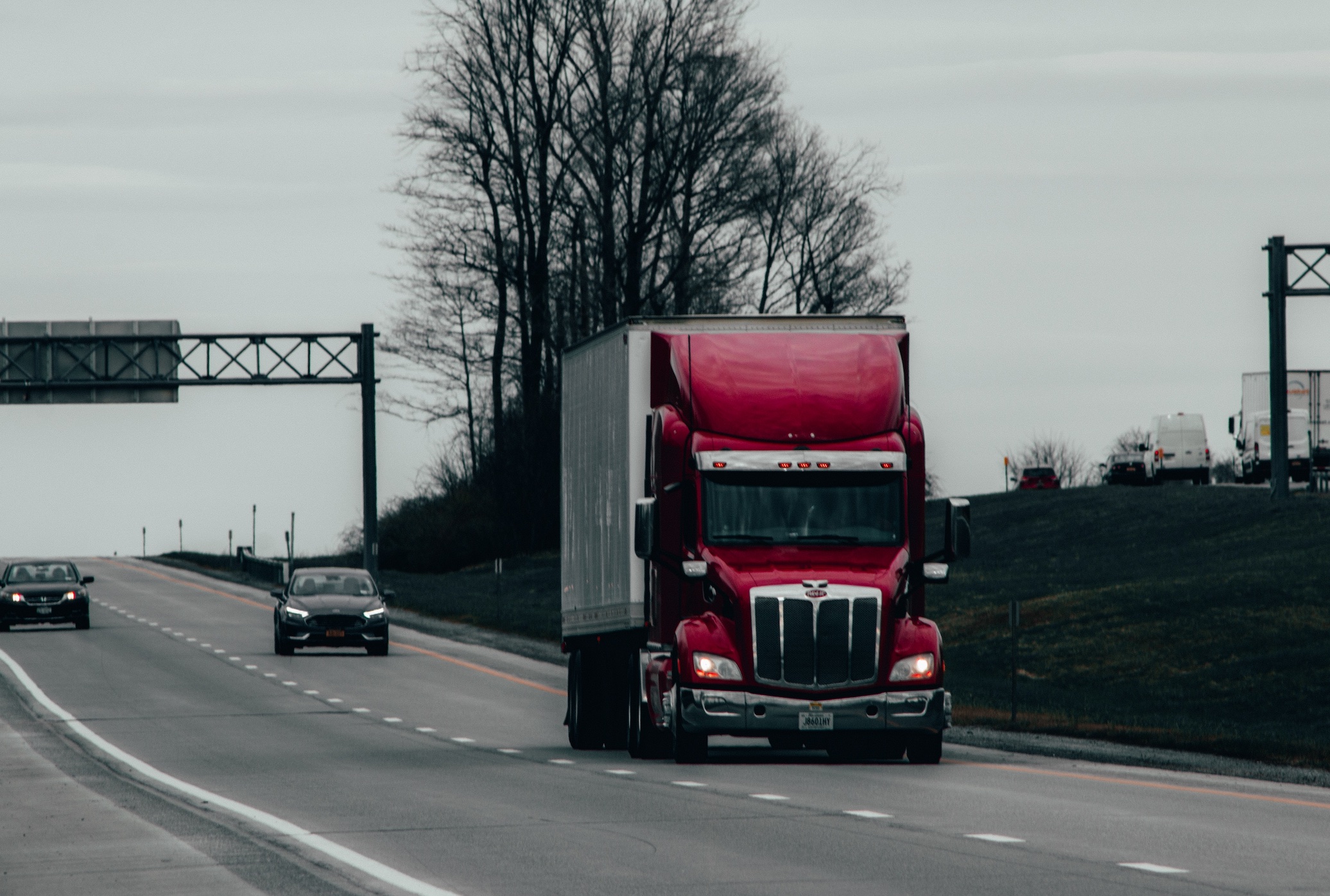
Civil lawsuits serve a purpose beyond compensation as they influence corporate behavior through financial consequences.
A collision with an 80,000-pound commercial vehicle rarely ends with a simple insurance claim. Behind every semi-truck on American highways sits a corporate structure designed to move goods efficiently, and to shield companies from responsibility when things go wrong. Companies must know when a crash becomes a corporate liability by understanding the legal framework, financial incentives, and documented evidence that separate trucking companies from typical traffic incidents.
Semi-Truck Accidents Are Legally Different from Car Crashes
Federal regulations govern commercial trucking in ways that don’t apply to personal vehicles. The Federal Motor Carrier Safety Administration (FMCSA) sets strict standards for driver qualifications, vehicle maintenance, cargo securement and hours of service. These are not just suggestions but rather enforceable rules that create a separate legal standard for fault analysis.
State traffic laws still matter, but FMCSA compliance adds another layer. A driver might technically follow California’s speed limit while simultaneously violating federal hours-of-service requirements. Trucking operates as a commercial activity subject to interstate commerce regulations, which means companies face heightened duty-of-care obligations that private drivers don’t carry.
A Web of Defendants in Trucking Litigation
Determining who’s actually responsible after a truck crash requires untangling corporate relationships that most people don’t know exist:
- A driver who was behind the wheel
- The trucking company that is listed on the vehicle
- The freight broker who arranged the shipment
- The leasing company that owns the tractor or trailer
- The maintenance contractor responsible for inspections
Many trucking companies classify drivers as independent contractors to distance themselves from liability. A truck might display one company’s logo while the driver works for a different entity entirely. Courts increasingly look past these arrangements when companies exercise control over routes, schedules, and equipment.
What Semi-Truck Accident Lawyers Do Differently
Attorneys who handle trucking cases operate in a specialized practice area that requires understanding both federal transportation law and corporate liability structures. Semi-truck accident lawyers examine whether companies violated FMCSA regulations as this may establish negligence without requiring an additional proof of carelessness.
Lawyers reconstruct accidents using driver logs to prove fatigue, weight tickets to show overloading, and dispatch records to show unrealistic delivery deadlines. Discovery often reveals patterns: drivers who never received proper training, trucks that skipped mandatory inspections, or carriers with documented safety violations.

Proving negligent hiring means showing a company knew or should have known about a driver’s poor record. Proving negligent maintenance requires matching repair logs against inspection requirements.
How Federal Safety Violations Maximize Compensation
Federal violations significantly increase case value. Common violations include:
- Exceeding 11-hour daily or 70-hour weekly hour of service driving limits
- Falsifying logbooks to hide hours-of-service violations
- Operating with defective brakes, tires, or lighting systems
- Hauling overweight cargo that exceeds bridge formula limits
- Skipping required pre-trip and post-trip vehicle inspections
Each violation represents a company decision to prioritize profits over safety. Juries view these cases differently than simple traffic accidents because the evidence shows deliberate regulatory non-compliance.
Trucking Accountability in Court
Civil lawsuits serve a purpose beyond compensation as they influence corporate behavior through financial consequences. When a jury awards substantial damages for hours-of-service violations, trucking companies across the industry reassess their scheduling practices. When courts refuse to accept independent contractor arrangements as liability shields, companies reconsider their business models.
Join the conversation!