
Holding negligent medical providers accountable is not just about compensation-it is about closure and change.
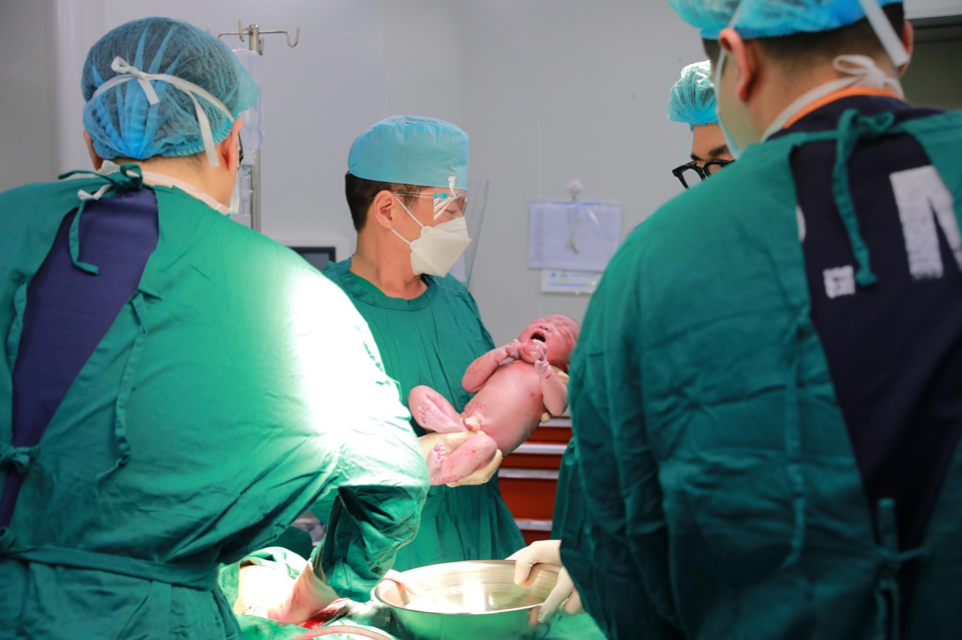
Child birth is one of life’s most profound experiences, but when medical care falls short, the results can be devastating. Every parent trusts that doctors and nurses will take every precaution to ensure a safe delivery. Unfortunately, errors in the delivery room can cause long-lasting harm to the mother and child, changing their lives forever.
Understanding how these mistakes happen and what legal options exist can help families seek justice and healing. This post details the common types of delivery room errors, the human cost of medical negligence, and more.
Common Types of Delivery Room Errors
Delivery-room errors often occur due to miscommunication, fatigue, or lack of proper monitoring. Some of the most common include delayed Cesarean sections, improper use of delivery tools such as forceps or vacuums, and failure to recognize fetal distress.
Even small delays or lapses in attention can have serious consequences. Oxygen deprivation, nerve injuries, and brain damage are among the potential outcomes. These injuries can result in permanent disabilities that affect a child’s quality of life for years to come.
The Human Cost of Medical Negligence
The physical effects of a delivery error are only just the beginning. Families must also cope with emotional trauma, financial strain, and the need for long-term medical care. Parents may have to leave work to care for their child or manage ongoing therapies and treatments. These challenges can create significant stress, grief, and uncertainty. What should have been a moment of joy can quickly become a lifelong journey of recovery and adjustment.
Understanding the Legal Responsibilities of Medical Professionals
Medical professionals have a duty to follow established standards of care during childbirth. This includes timely decision-making, accurate monitoring, and effective communication among staff.

When this duty is breached, it may constitute medical malpractice. Families have the right to hold hospitals and doctors accountable for preventable harm. Pursuing legal action helps with financial
compensation and also encourages hospitals to improve safety protocols and prevent future incidents.
Recognizing the Signs of Trauma During Birth
In some cases, the impact of a delivery room mistake may not be immediately visible. Symptoms such as developmental delays, seizures, or difficulty moving certain limbs can appear months or even years later.
These may be signs of birth trauma, which occurs when medical negligence causes injury during labor or delivery. Early diagnosis is essential to ensure the child receives appropriate medical care and therapy. Parents who suspect something went wrong should consult a pediatric specialist and a legal professional to understand their options.
Steps to Take After a Delivery Room Error
If you believe a medical mistake occurred, document everything related to the delivery and postnatal care. Request copies of medical records, including fetal monitoring strips and doctor’s notes. Seek independent medical evaluation to determine whether proper procedures were followed.
A qualified attorney who specializes in medical malpractice can review the case and help determine if negligence occurred. Acting quickly is important because legal deadlines, known as statutes of limitations, may restrict how long families have to file a claim.
Endnote
Holding negligent medical providers accountable is not just about compensation-it is about closure and change. Families deserve the truth about what happened and assurance that others will not suffer the same fate. While legal action cannot undo the harm caused, it can provide resources for long-term care and send a powerful message about the importance of patient safety. Every parent deserves to bring their child into the world without fear that preventable mistakes will shape their lives forever.
Join the conversation!