
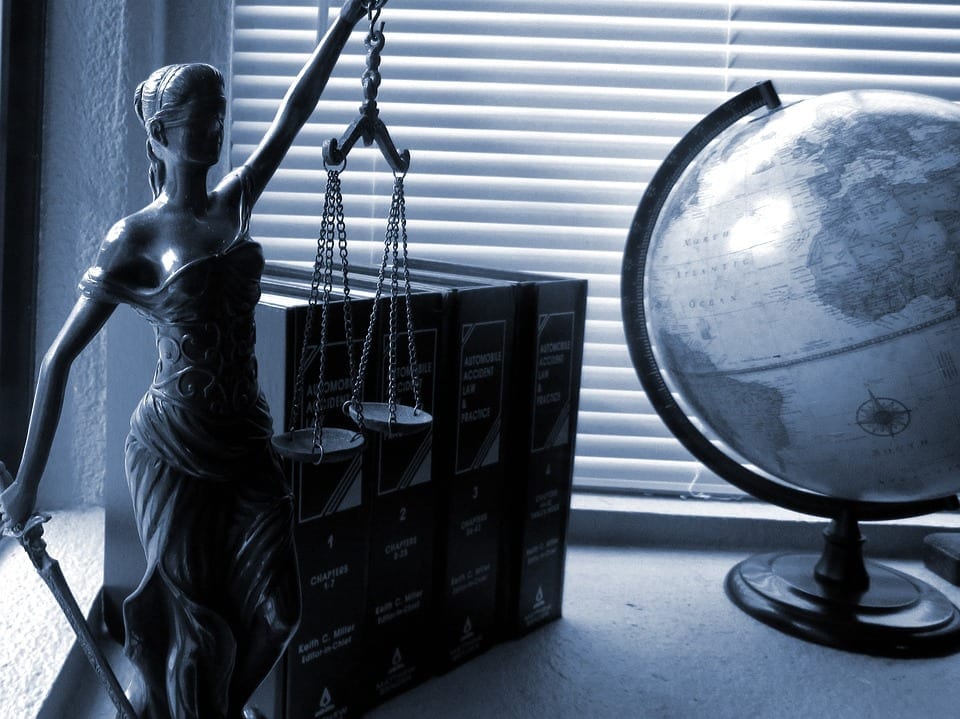
Plea bargains can serve both justice and efficiency when defendants receive quality legal representation.
Over 95% of criminal cases in America end with plea bargains rather than trials. While this system keeps courts functioning, it creates serious problems when defendants receive inadequate legal representation. Poor legal counsel during plea negotiations can destroy lives, leading to harsh sentences, wrongful convictions, and devastating long-term consequences that could have been avoided.
The Plea Bargain System’s Hidden Dangers
Plea bargains were designed to help both prosecutors and defendants reach reasonable agreements without expensive trials. In theory, defendants get reduced charges or lighter sentences while courts avoid lengthy proceedings. However, this system only works when defendants have competent attorneys who thoroughly investigate cases and negotiate effectively.
Too often, defendants face pressure to accept plea deals quickly without proper legal analysis. Overworked public defenders and inexperienced private attorneys may push clients toward agreements that serve neither justice nor the defendant’s best interests.
Warning Signs of Inadequate Representation
Several red flags indicate when legal representation may be failing defendants. Poor communication tops the list, including attorneys who don’t return calls, refuse to answer questions, or seem rushed during meetings. Many inadequate lawyers also skip essential case investigation, failing to review police reports carefully, interview witnesses, or look for evidence that could help their clients.
Perhaps most damaging is when attorneys pressure clients to accept the first plea offer without exploring alternatives. Quality legal representation involves explaining all options, investigating the strength of the prosecution’s case, and negotiating for better terms when possible.
Real Consequences of Bad Plea Deals
The impact of inadequate plea bargain representation extends far beyond initial court proceedings. Defendants may receive unnecessarily harsh sentences, including excessive jail time for minor offenses or felony convictions when misdemeanor charges would have been appropriate.

The long-term consequences prove even more devastating. Criminal convictions affect employment opportunities, housing applications, professional licenses, and educational prospects. For non-citizens, certain plea agreements can trigger deportation proceedings that competent attorneys could have avoided through different negotiation strategies.
Families suffer when breadwinners lose jobs due to criminal records, when parents face child custody complications, or when immigration consequences separate family members. These ripple effects often last for years or even decades after the original case concludes.
Systemic Problems Fueling the Crisis
Several factors contribute to widespread inadequate representation in plea negotiations. Public defender offices face crushing caseloads that prevent thorough case preparation. Many public defenders handle hundreds of cases simultaneously, leaving little time for the investigation and analysis each case deserves.
Court systems also create pressure for quick resolutions. Judges prefer plea agreements that clear their dockets efficiently, and limited trial dates create artificial pressure on defendants to accept deals rather than exercise their right to trial.
Prosecutors hold significant advantages in this system, including superior resources, investigative capabilities, and the ability to file excessive charges that encourage plea agreements. This imbalance becomes particularly problematic when defense attorneys fail to level the playing field through competent representation.
How Quality Representation Makes a Difference
Skilled criminal defense attorneys approach plea negotiations strategically. They conduct independent investigations, review all evidence thoroughly, and identify weaknesses in the prosecution’s case that can be leveraged during negotiations.
Local knowledge proves particularly valuable in plea negotiations. For example, in a Virginia case in Fairfax County, a Fairfax criminal defense lawyer will understand how local prosecutors approach different types of cases, because they deal with them on a daily basis. They will know judicial preferences regarding sentencing, and can use this type of knowledge to secure better outcomes for clients in their jurisdiction.
Quality attorneys also ensure clients understand the full implications of plea agreements, including long-term consequences for employment, housing, and other life opportunities. They explore creative alternatives like diversion programs or reduced charges that may not be obvious to inexperienced counsel.
Protecting Yourself from Inadequate Representation
Defendants can take steps to protect themselves from poor legal representation. During attorney selection, ask about experience with similar cases, approach to plea negotiations, and communication policies. Be wary of lawyers who guarantee specific outcomes or seem rushed during initial consultations.
Throughout representation, pay attention to your attorney’s preparation level and willingness to discuss your options. Quality lawyers welcome questions and take time to explain legal strategies. If your attorney pressures you to accept deals without explanation or seems unprepared for court proceedings, consider seeking a second opinion.
Understanding your rights is crucial. You have the right to adequate representation, to understand all charges and potential penalties, and to participate meaningfully in plea decisions. You also have the right to reject plea offers and proceed to trial if you believe that serves your interests better.
The Need for Reform
The current system requires significant reforms to protect defendants adequately. Public defender offices need proper funding and reasonable caseload limits. Courts need better oversight of plea negotiation practices to ensure defendants receive competent representation.
Conclusion
Plea bargains can serve both justice and efficiency when defendants receive quality legal representation. However, inadequate counsel during plea negotiations causes immense harm to individuals and families while undermining public confidence in the justice system. Consumers of legal services must remain vigilant about the quality of representation they receive, as the consequences of poor plea bargain advice can last a lifetime.
Join the conversation!