
Clear contract language, prompt communication, and a willingness to adjust when the unforeseeable strikes can keep a setback from spiraling into a lawsuit.
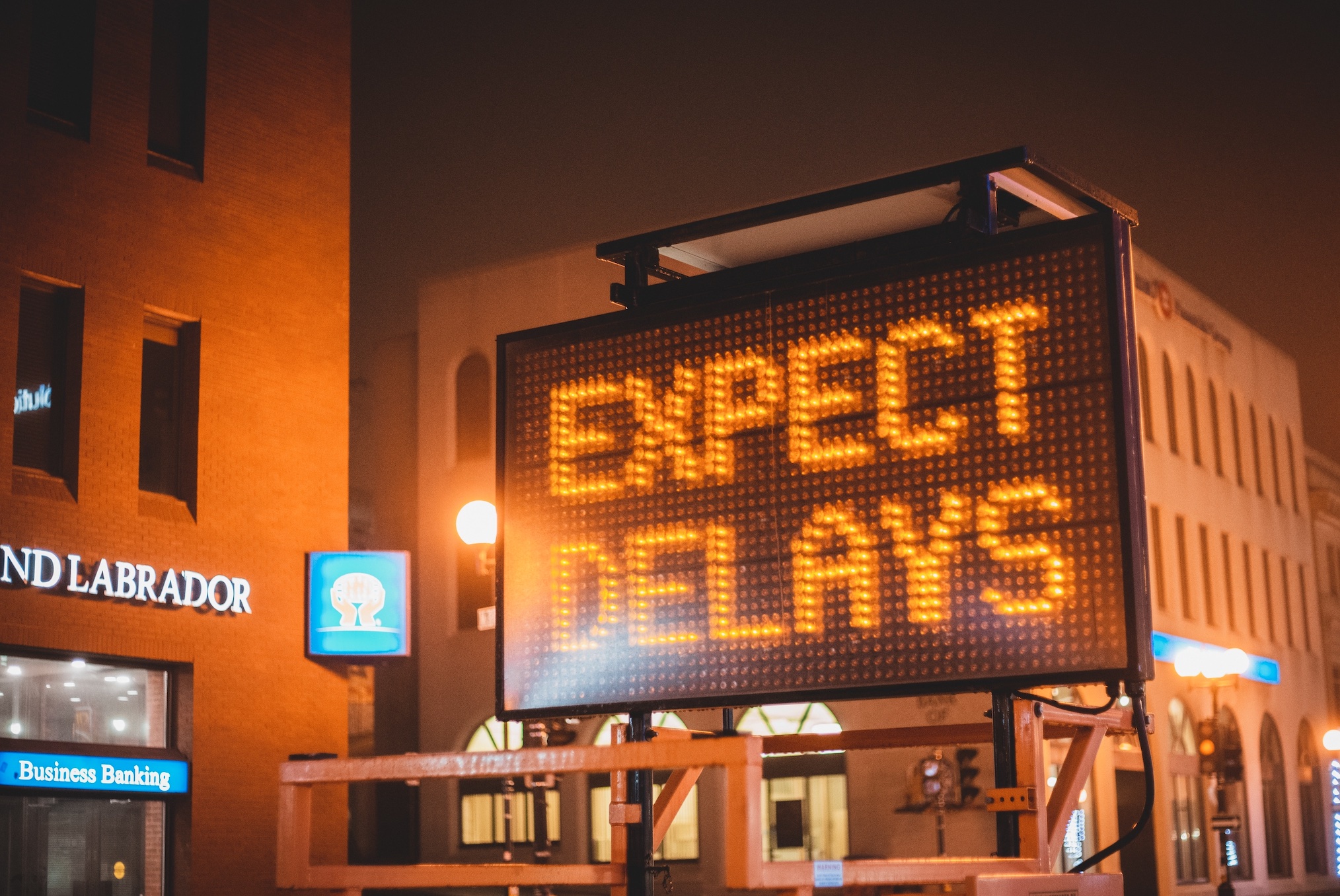
Few construction projects finish exactly on schedule. Weather shifts, supply-chain issues, and design changes can all push a timeline off course. When days turn into weeks, the cost of idle crews, rented equipment, and lost revenue mounts quickly. These delays are costly, and someone has to cover the bill. Understanding how a contract allocates the risk of delay is just as important as the blueprint itself for all parties involved. This article reviews the clauses that govern deadlines, explains when a missed deadline becomes a legal breach, and outlines the tools owners and contractors can use to protect—or defend—their bottom line.
Understanding Construction Contracts and Deadlines
Every well-drafted construction agreement translates a project schedule into binding obligations:
- Timelines and milestones: A critical-path schedule identifies interim completion dates (e.g., shell, mechanical, punch-list) and a final delivery date.
- “Time is of the essence.” Many contracts elevate the schedule to a fundamental term, making timely performance automatically a material term of the underlying contract.
- Delay clauses: Agreements usually require prompt, written notice of any event that threatens a milestone, giving both sides a chance to accelerate work or mitigate potential loss.
- Risk allocation: Some contracts place all schedule risk on the contractor; others allow extensions for defined events or require shared contingency planning.
Without these details, parties must rely on general contract law, far less predictable and often more expensive to litigate.
Who Is Responsible for Delays?
Delays fall into three broad categories:
- Contractor-caused: labor shortages, poor coordination, defective workmanship.
- Owner-caused: late design revisions, site-access problems, financing delays.
- Neutral or external: severe storms, global pandemics, embargoes.
Responsibility most commonly attaches to the party that could reasonably control or foresee the problem. A supplier who fails to deliver custom windows on time may indemnify the general contractor; a developer that adds luxury finishes mid-build may owe the contractor for days lost while the developer works.
Most contracts include a force-majeure clause that excuses performance when truly unforeseeable events make completion completely impossible. Hurricanes, floods, or nationwide material bans are some common reasons to include a force-majeure clause for your protection. Courts will examine whether the event was beyond anyone’s control and whether the affected party followed contractual notice procedures. They may also weigh concurrent delay (both sides contributing to slippage), which can cancel out liquidated damages or shift them proportionally. Most importantly, force-majeure clauses are strictly construed, meaning the “delay event” which occurred must have been contemplated within the cause.
Breach-of-Contract Claims
A missed deadline becomes legally actionable when it breaches an express promise in the contract and no valid excuse applies. Under Florida law, four elements must line up:
- Valid contract: The schedule provisions, change-order process, and notice requirements form part of a binding agreement.
- Material breach: Late performance is “material” when time is of the essence or when the delay frustrates the contract’s purpose (e.g., a retail build-out that misses holiday season).
- Notice and opportunity to cure: Most industry forms give the breaching party a short window, often 48-72 hours, to fix their breach. Skipping this step can forfeit damages.
- Resulting loss: The claimant must connect specific dollars to the delay, showing contemporaneous cost records and critical-path analyses that isolate the slippage.
Remedies available to the claimant depend on many different factors. Some available remedies include:
- Direct costs: standby labor, equipment rental, superintendent overtime.
- Consequential losses: lost tenant rent or operating revenue—recoverable only if the contract allows or the damages were reasonably foreseeable at signing.
- Liquidated damages: if the contract omits or invalidates a pre-set daily rate, a court may still award proven actual losses.
- Specific performance/injunction: rare but possible for one-of-a-kind projects (historic restorations, public infrastructure).
Liquidated Damages for Delays
Liquidated damages are a desirable option and are a widely favored method of protection. This type of damage is a dollar amount agreed upon by the parties when contracting. Many owners sidestep after-the-fact damage debates by inserting a liquidated-damages clause assessed for each day of late completion.
This can be a powerful incentive for the contractor to keep on schedule, as they know delays will cost them. Additionally, this kind of clause is convenient compared to proving damages over the course of litigation. Instead of dealing with the court system and hoping to be appropriately compensated, this ensures the loss will be rectified. It provides a clear plan of action should delays in the contractor’s control happen. When drafted properly, these clauses:
- Reflect a reasonable forecast of anticipated loss.
- Apply only when delays are the contractor’s fault.
- Provide a ceiling on liability, sparing both sides protracted litigation.
Courts in Florida and elsewhere will strike liquidated damages that function as a penalty rather than a fair estimate, so the figure must be grounded in good-faith projections (e.g., hotel room revenue or tenant penalties) at the time the contract was signed. Contractors, meanwhile, can attack an inflated rate or argue that owner-caused delays wiped out the assessment.
Methods for Enforcing or Renegotiating Contract Terms
When the project clock slips, the first step is often contract-based self-help. Most agreements allow written change orders or time-extension requests. These tools let the parties adjust milestones, swap liquidated-damages rates for cost-plus compensation, or agree on interim acceleration measures (overtime, additional crews) without rewriting the entire contract. Clear documentation bolsters any request for extra days or money.

If direct negotiation stalls, many construction contracts require a tiered dispute-resolution process:
- Project-level meetings: Superintendents and project managers meet to craft a recovery schedule.
- Executive mediation: Senior leadership engages a neutral mediator who helps quantify delay impacts and search for compromise while work continues.
- Binding arbitration: If mediation fails, the dispute moves to a private tribunal (often under AAA Construction Rules), where an arbitrator with industry knowledge issues a final award faster and with less publicity than court.
Proactive communication, disciplined paperwork, and a willingness to revisit the schedule can keep a delay from eroding profits—or relationships—beyond repair. When in doubt, owners and contractors alike should consult experienced construction litigation attorneys.
Protecting Your Interests When the Timeline Slips
Project delays hurt the schedule, the budget, and the relationship between builder and owner. Clear contract language, prompt communication, and a willingness to adjust when the unforeseeable strikes can keep a setback from spiraling into a lawsuit. When disputes do arise, informed legal guidance helps each party understand its rights and recover or limit delay-related costs.
Join the conversation!