
Intersection accidents are not just a symptom of bad driving, they are often the result of design, oversight, and planning decisions that have legal consequences.
Intersections have always been the most complicated points on our roads, but in Washington, they’re becoming a growing legal concern. As traffic increases and road designs evolve, crashes at intersections are happening more frequently, and when they do, liability is rarely simple.
Washington’s Most Crash-Prone Intersections
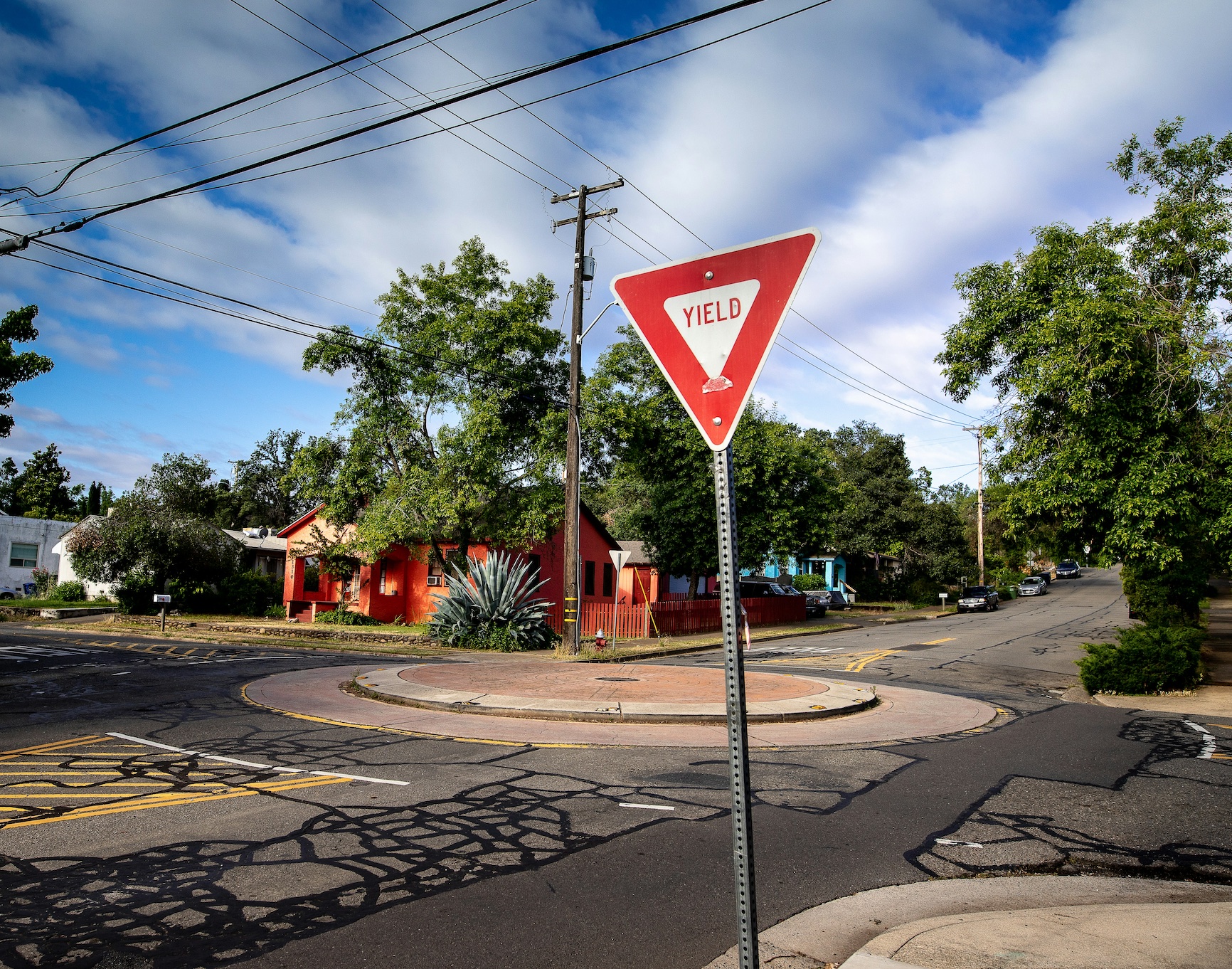
A recent study by Wells Trumbull identified the most dangerous intersections in Washington based on state crash data. The roundabout at SR 204 and SR 9 in Lake Stevens topped the list, recording 272 crashes over just four years. The report also found that four of the six most crash-prone intersections in Washington are roundabouts, and that work-zone and construction-related crashes increased 17 percent between 2023 and 2024.
King County accounted for ten of the top thirty intersections with the highest number of collisions. The data suggests that urban growth and redevelopment, particularly in the Seattle suburbs, are fueling a rise in intersection crashes. These are precisely the areas where new construction, temporary detours, and unfamiliar road layouts can make driving more unpredictable.
For attorneys, this concentration of collisions points to potential systemic issues beyond driver error. When specific intersections become recurring crash zones, design, maintenance, and signage all come under scrutiny. That raises questions about liability that can extend far beyond the drivers involved.
Why Intersections Are So Dangerous
The FHWA explains that intersections are risky because they require drivers to make multiple complex decisions within seconds: turning, yielding, merging, and reacting to other vehicles, pedestrians, and signals all at once. (FHWA.gov)
In urban areas, those risks are compounded by congestion, construction, and distracted driving. In rural regions, the danger often lies in limited visibility and lack of signals. National data shows that more than 80 percent of fatal crashes at rural intersections occur at unsignalized locations. Washington’s mix of rural highways and suburban growth corridors makes it especially vulnerable to both scenarios.
Roundabouts, increasingly common across the state, present their own challenges. While studies show that roundabouts can reduce the severity of crashes over time, Washington’s data suggests a transitional spike in collisions as drivers adapt. Many of the state’s most crash-prone intersections are roundabouts that have only recently replaced traditional signalized crossings. This short-term learning curve can have significant legal consequences if a crash occurs during or shortly after a redesign.
The Legal Complexities Behind Intersection Crashes
Intersection accidents rarely involve just one factor. A collision might result from a distracted driver, but design flaws, poor signage, or construction negligence could have contributed. For lawyers handling these cases, that complexity means more investigative work.
Evidence such as traffic-signal timing data, city maintenance records, and even roadway engineering reports can play a key role in establishing fault. Determining liability may also require examining whether the Washington State Department of Transportation (WSDOT) or a local contractor properly maintained the intersection or implemented safety upgrades in time.
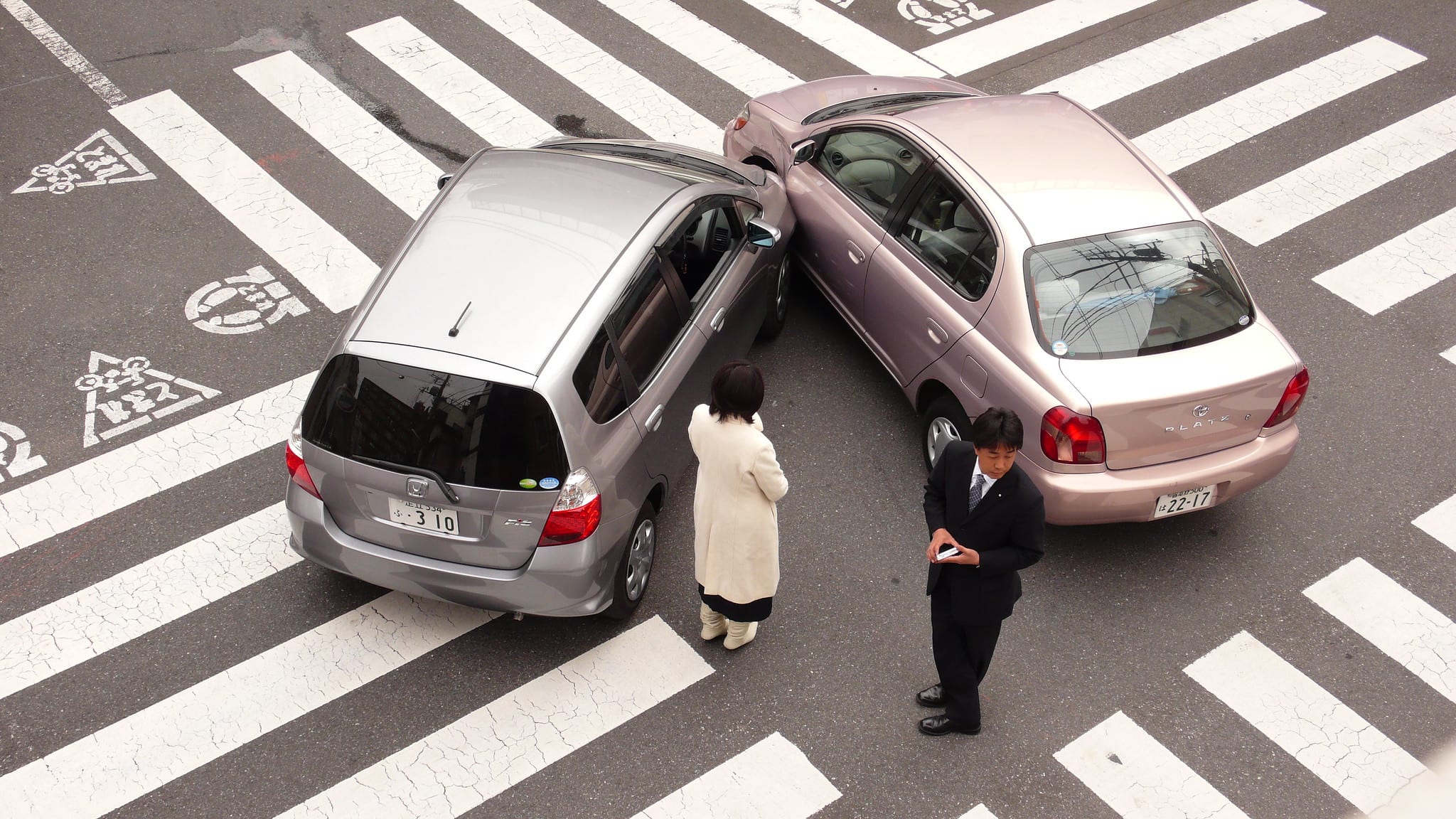
Because of Washington’s comparative negligence system, fault may be divided among multiple parties. That can include both drivers, a public agency, and sometimes even a private company if construction or roadwork contributed to the crash. In many cases, expert testimony from traffic engineers is essential to show how design or maintenance failures increased risk.
Moving Toward Safer Roads
As Washington continues to grow, intersection safety will remain a critical issue for both policymakers and the legal community. The data from Wells Trumbull’s study provides valuable insight into where improvements are most urgently needed. The state can use these findings to prioritize redesigns, install clearer signage, and improve public education around new traffic patterns.
Intersection accidents are not just a symptom of bad driving, they are often the result of design, oversight, and planning decisions that have legal consequences. As crash data continues to show, addressing these problems requires not just safer roads, but sharper legal accountability
Join the conversation!