
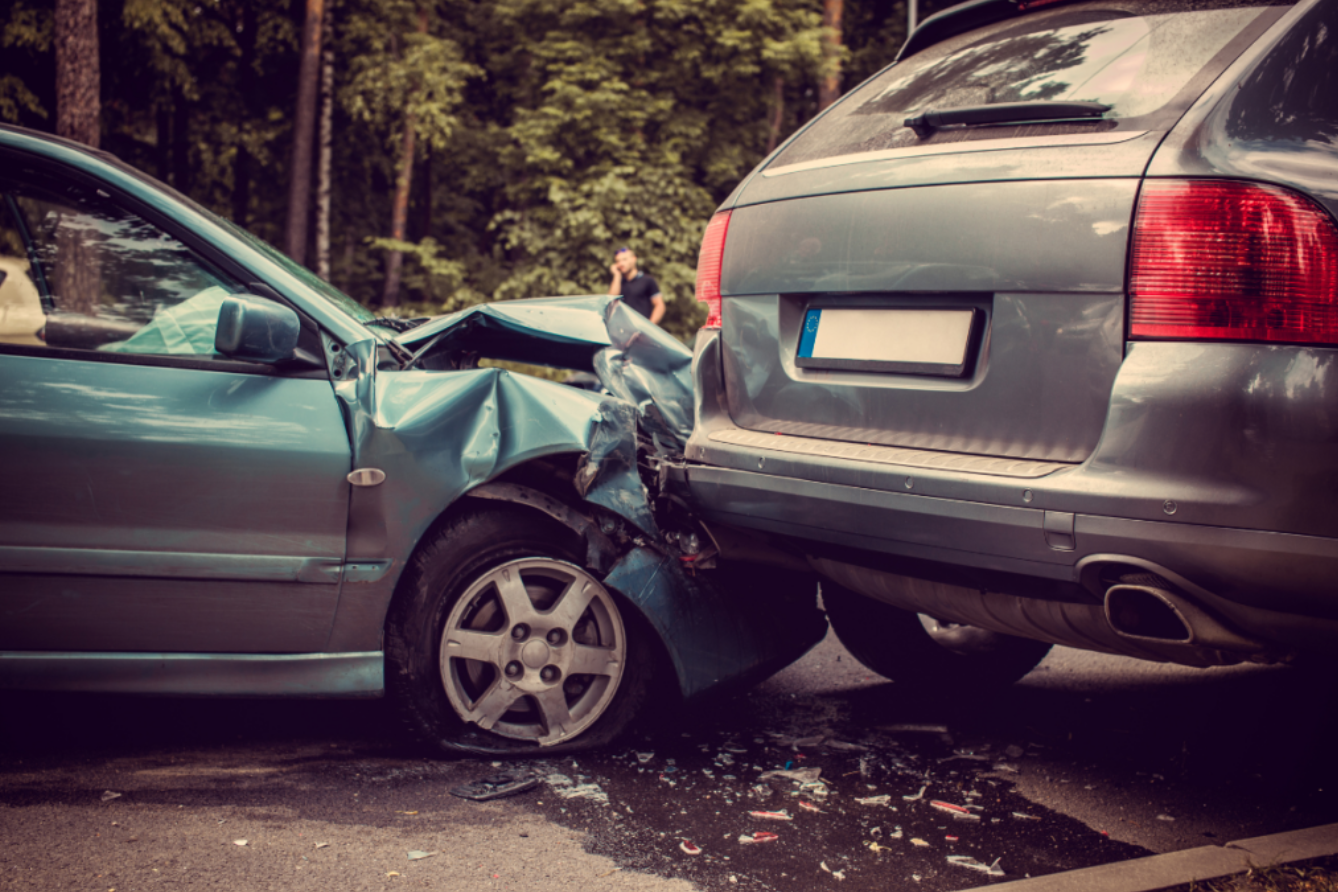
Lake City crashes can be harder to resolve because they often combine rural road conditions, commercial traffic, no-fault insurance rules, and comparative negligence disputes.
Car crashes can be legally complex in any community, but collisions in and around Lake City often raise additional layers of investigation and dispute. Geography, traffic patterns, insurance questions, and procedural rules all influence how responsibility is determined. If you are involved in a crash in this area, understanding why these cases can become complicated helps you evaluate what to expect from the legal process.
Rural Roads, Highways, and Overlapping Jurisdiction
In many parts of Lake City, collisions occur on a mix of rural two-lane roads and major highways, and determining what happened can take time because road design and traffic flow vary widely. According to a Lake City car accident lawyer, crashes in these areas often involve disputes over speed, right of way, and roadway conditions that are harder to document than incidents at well-marked urban intersections.
Jurisdiction adds another layer. A crash may occur on a state-maintained highway, a county road, or near municipal limits, which influences which law enforcement agency investigates and whether a state, county, or city entity could be implicated if road maintenance becomes an issue.
Comparative Fault Rules in Florida
Florida follows a modified comparative negligence system under section 768.81 of the Florida Statutes. If you are found more than 50 percent at fault for the crash, you cannot recover damages from another party.
If you are 50 percent or less responsible, your recovery is reduced by your percentage of fault. Disputes over lane changes, following distance, or failure to yield directly shape the value of a claim. Insurance companies conduct their own fault assessments, and police reports, witness statements, and vehicle data often influence how percentages are ultimately assigned.
No-Fault Insurance and Injury Thresholds
Florida is a no-fault state for most car accidents. Your own Personal Injury Protection coverage generally pays up to $10,000 for medical expenses and certain lost wages, regardless of who caused the crash.
To pursue a claim against the other driver for pain and suffering, you must meet a statutory injury threshold. This typically requires a permanent injury within a reasonable degree of medical probability, significant and permanent scarring, or death. Whether that threshold is met often becomes a point of disagreement between medical providers and insurance carriers.
Commercial Vehicles and Agricultural Traffic
Lake City sits near major freight routes, and large trucks frequently pass through the region. When a commercial vehicle is involved, federal safety regulations, driver log requirements, and company maintenance records may become part of the investigation.
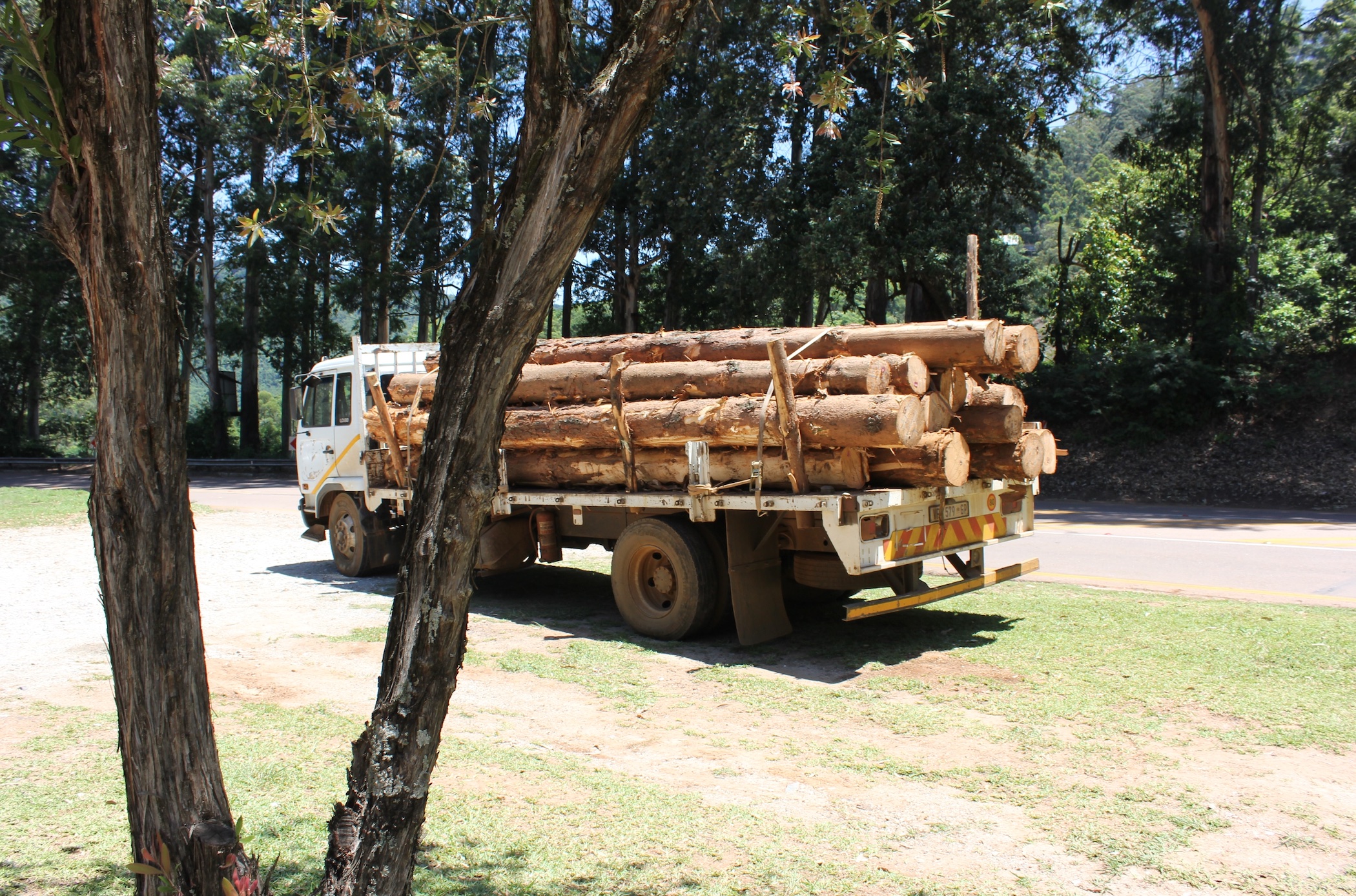
Agricultural equipment on rural roads introduces additional questions. Lighting, slow-moving vehicle markings, and overall compliance with Florida traffic laws may all be examined. Responsibility can extend beyond the driver to a trucking company, equipment owner, or maintenance provider, and commercial insurance policies often differ substantially from personal auto coverage.
Evidence Challenges and Timing of Medical Care
Beyond the types of vehicles involved, proof can also be harder to secure in less populated areas. There may be fewer traffic cameras or nearby witnesses, and physical evidence can disappear quickly due to weather or routine road use.
The timing of medical treatment also affects a claim. Under Florida law, you generally must seek care within 14 days of the crash to qualify for certain Personal Injury Protection benefits. Delays can limit available coverage and provide insurers with arguments that injuries were unrelated or less severe.
Government Liability and Notice Requirements
If a crash involves a hazardous roadway condition such as poor drainage, missing signage, or uneven pavement, a government entity may be implicated. Claims against state or local governments in Florida are governed by section 768.28 of the Florida Statutes.
Sovereign immunity limits the amount of damages that can be recovered and requires advance notice before filing suit. Specific procedural steps must be followed, and failing to comply can prevent recovery even when underlying facts suggest negligence.
Why Local Conditions and State Law Intersect
Lake City crashes can be harder to resolve because they often combine rural road conditions, commercial traffic, no-fault insurance rules, and comparative negligence disputes. Each factor influences how fault is assigned and whether compensation is available under Florida law.
If you are involved in a collision in this region, the details matter. The roadway, the vehicles involved, the timing of medical care, and the governing statutes all shape how your claim may unfold. Understanding how these pieces interact helps you assess the legal issues that may arise after a crash.
Join the conversation!