
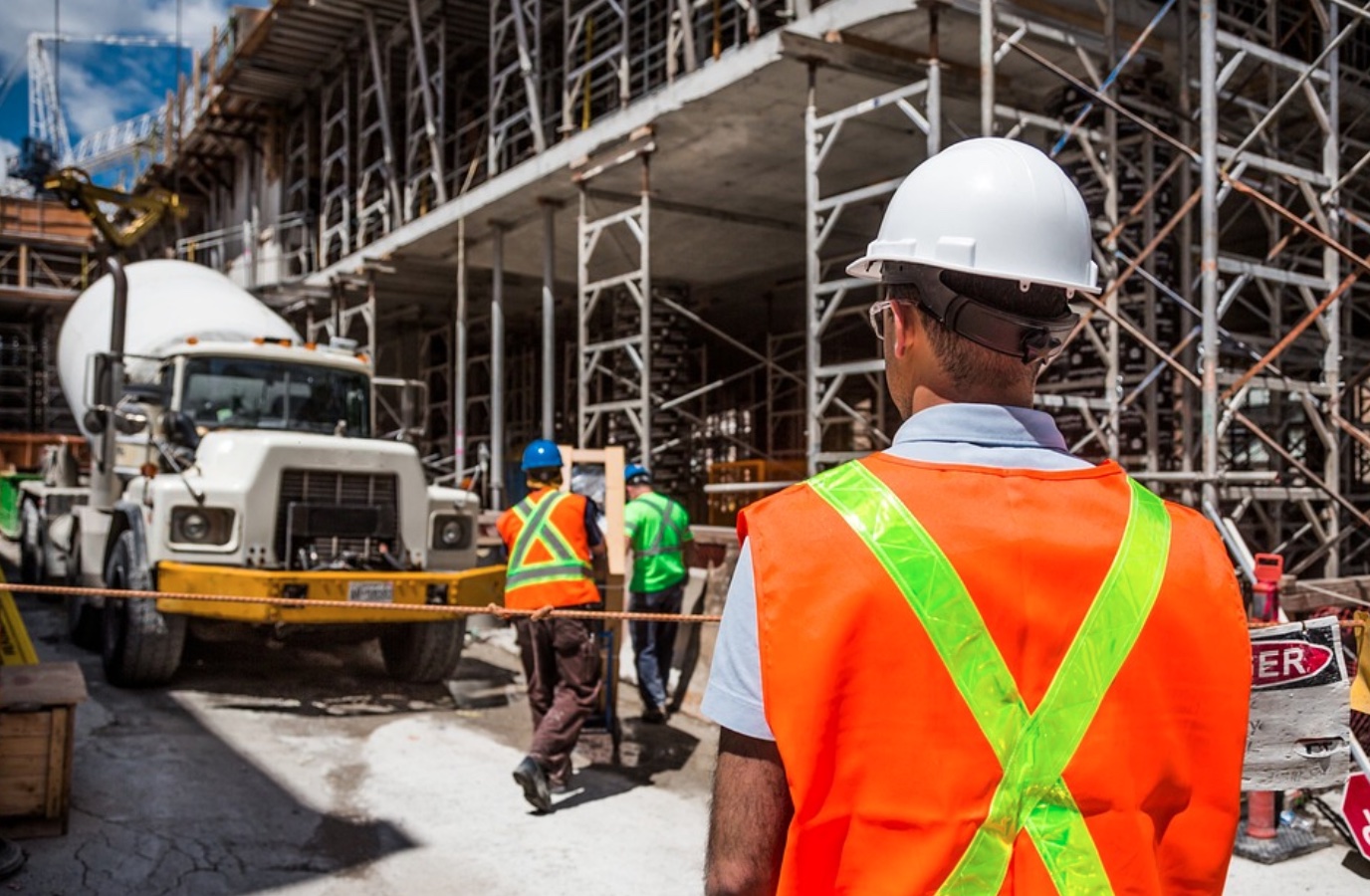
For Latino construction workers, this uncertainty can mean injuries fall through the cracks. When paperwork is unclear or responsibility is shifted, reports get delayed—or never filed at all.
Latino workers are far more likely to experience job-related injuries—and far more likely to stay silent after they happen. This underreporting makes many injuries effectively invisible, even when the harm is real and ongoing. Research shows that work-related injuries and illnesses are significantly undercounted in official employer-reported data.
When injuries go unreported, workers delay care, claims become harder to prove, and unsafe conditions stay in place, but the impact does not stop with one person. Poor data leads to weak safety decisions, repeated hazards, and higher costs that spread across entire industries.
Safety plans, training, and jobsite rules can only protect people when they are built on real injuries and real risks, not on missing or incomplete reports.
Underreporting isn’t rare—it’s baked into how injuries get counted
Most official injury numbers start at the jobsite. Employers record injuries in internal logs, and those logs feed into national statistics, but if an injury is never written down at work, it never appears in the data used to guide safety rules and prevention efforts.
That gap is not accidental. Many injuries go unreported because of soft suppression—quiet pressure to stay silent. This can include fear of discipline, point systems tied to attendance, or “no-injury” bonuses that reward crews for keeping reports low.
In simple terms: if an injury never reaches the employer log, it never reaches federal statistics. This is a chronic problem, especially in high-risk jobs where reporting can feel risky.
Why Latino workers stay silent after an injury?
Underreporting is rarely about a single reason. For many Latino workers, silence comes from overlapping pressures at work, at home, and within the reporting system itself.
These barriers show up across industries like construction, roofing, warehousing, and food processing—especially in jobs where risk is high and job security feels fragile.
1. Fear of retaliation (lost hours, firing, being labeled “a problem”)
Many Hispanic workers worry that reporting an injury will cost them hours, assignments, or even their job. Some workplaces use point systems, discipline policies, or “no-injury” bonuses that quietly discourage reporting. Even without direct threats, the message can be clear: speaking up has consequences.
Federal law prohibits retaliation for reporting a workplace injury, but fear often comes from experience, not policy. For Hispanic employees in physically demanding jobs, being labeled “difficult” can mean fewer shifts or no call back the next week.
2. Immigration-status fear and distrust of “the system”
U.S. labor law protects the right to a safe workplace regardless of immigration status. Still, many immigrant workers in high-risk jobs do not feel safe testing that protection: fear of attention, paperwork, or misunderstandings with authorities keeps injuries unreported.
For foreign-born Hispanic workers, distrust often comes from past experiences—here or elsewhere—where systems did not work in their favor. Even when legal protections exist, fear can override them.
3. Language barriers and training gaps
Many Spanish-speaking employees receive safety training that is rushed, incomplete, or only offered in English. When instructions are unclear, workers may not know how or when to report an injury—or what happens next.
This is where knowing your rights matters. Resources explaining jobsite safety rights for Spanish-speaking crews do exist, but they are not always shared.
Research shows clear gaps in English proficiency among the Spanish-speaking workforce, making language access a safety requirement, not a courtesy.
4. Precarious work structures (subcontracting, temp staffing, misclassification)
In industries like construction and warehousing, workers often move between crews, subcontractors, or temp agencies. That churn creates confusion about who the employer is and who handles injury reports.
For Latino construction workers, this uncertainty can mean injuries fall through the cracks. When paperwork is unclear or responsibility is shifted, reports get delayed—or never filed at all.
5. Lack of familiarity with reporting processes
Some workers stay silent simply because they do not know the process. They may not know who to report to, how quickly they must report, or what form to use. In many cases, forms are only available in English.
Supervisors may act as informal “gatekeepers,” deciding what gets written down and what does not. Research also shows this is a system failure—not a worker failure—and a major workplace injury reporting barrier.
6. Cultural and social pressures
On small crews, especially in close-knit teams, workers may avoid reporting injuries to protect coworkers or avoid conflict. Speaking up can feel like letting the team down: “tough it out”, “protect the crew”, “don’t embarrass the boss”.
Studies show that power differences, respect, and fear of embarrassment play a role—particularly for Hispanic workers in physically demanding jobs where toughness is expected.
7. Lack of clarity about benefits and fear of medical bills
Many workers believe reporting an injury means paying medical bills out of pocket, getting replaced, or being marked as a risk. Others worry the injury will “follow them” to the next job. These misconceptions are common—and costly. They delay care, weaken documentation, and increase long-term harm.
How silence harms everyone (including employers)
When injuries are not reported, the damage does not stay personal. Silence creates false signals about safety, hides ongoing hazards, and allows the same risks to injure more people over time.
The pattern is simple: underreporting leads to bad data, bad data leads to bad decisions, and bad decisions lead to more serious incidents. This affects workers first—but employers inherit the consequences as well.
Workers pay first
For injured workers, silence often means delayed medical care. Small injuries turn into long-term problems when treatment is postponed or avoided. Without timely reports, the paper trail is weak, making claims harder to prove or limiting access to benefits.
Repeat exposure is another cost. When hazards are not documented, the same unsafe task continues. Over time, minor injuries can become chronic conditions that follow workers across jobs—especially among immigrant workers in high-risk jobs who already face unstable employment.
Employers inherit hidden risk
Unreported injuries do not disappear—they stay hidden. Hazards that are never logged are never fixed, increasing the chance of more serious incidents later. These are the “near-misses you never heard about,” until someone gets seriously hurt.
The costs add up quickly. Lost work time, replacing and training staff, production disruptions, and higher insurance premiums all stem from injuries that were not addressed early.
Workers’ compensation systems use experience ratings, meaning injury patterns can affect long-term costs. In limited situations, injuries may involve parties beyond the employer, such as equipment manufacturers or subcontractors.
When injuries that may go beyond workers’ comp are not reported, risks compound instead of being contained.
Industry-wide safety blind spots hit Latino workers hardest
Construction data shows why this matters. Latino construction workers are overrepresented in high-risk tasks like roofing, framing, and concrete work. When injuries go unreported, safety programs miss where prevention is most needed.
For a Spanish-speaking workforce already facing language barriers and unstable job structures, those blind spots translate into higher injury rates and fewer chances to stop harm before it spreads.
What employers can do now (practical fixes that reduce injuries and improve reporting)
The goal isn’t more paperwork—it’s accurate signals that prevent serious harm. Employers can reduce injuries by making reporting easy, safe, and predictable. This starts with offering multiple reporting channels, including bilingual options, and clearly stating that retaliation is not allowed.
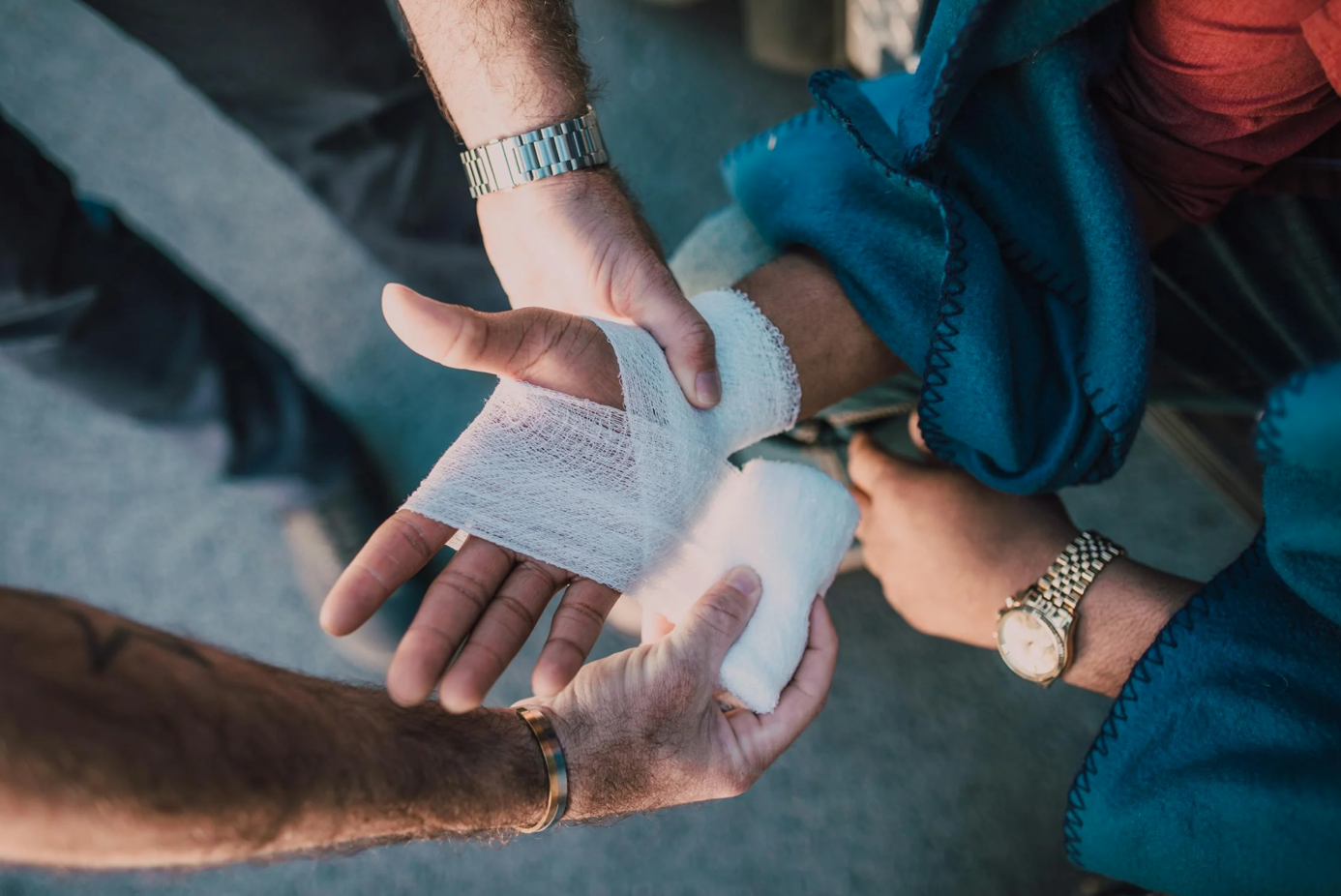
Supervisors should be trained to receive reports without judgment or delay. It is also critical to audit policies that quietly discourage reporting, such as rigid point systems, blanket post-incident drug testing, or “zero injury” bonus programs. These policies often silence workers instead of improving safety.
Training should happen in the language people actually use on the job, with visual tools, short toolbox talks, and peer safety leaders.
Partnering with trusted community organizations can also help workers understand what happens after they report an injury.
What to do after a workplace injury (for employees and coworkers)
After a workplace injury, timing matters. Report the injury as soon as possible, preferably in writing, and ask for a copy of the report. Prompt reporting is critical for both medical care and legal clarity, especially when injuries are not immediately visible.
If coworkers witnessed the incident, write down their names. Seek medical evaluation even if the injury seems minor, as symptoms can worsen over time.
If a worker faces pressure, discipline, or threats after reporting, federal law provides protections. OSHA has a whistleblower process for reporting retaliation, and information is available in plain language.
When workers’ comp isn’t the whole story
Workers’ compensation covers many job-related injuries, but it is not always the only path. In some cases, a third party may be involved, such as a subcontractor, a property owner, or a manufacturer of defective equipment.
These situations are different from standard workers’ comp claims and follow separate legal rules. Timelines and requirements vary by state, and delays can affect available options.
That is why understanding the nature of the incident matters early. In construction and industrial settings, overlapping responsibilities are common, and serious injuries may require looking beyond a single employer. Speaking with an accident attorney can help clarify what applies in a specific situation.
Better reporting saves lives—and prevents the next injury
Reporting is not trouble. Accurate information protects people by exposing real risks before they cause lasting harm.
Silence hides patterns that put everyone at risk. Asking questions early and seeking clear expert guidance helps workers and employers understand options, address hazards sooner, and make safer decisions for everyone.
Join the conversation!