

Women reported longer diagnostic waits and more mistaken explanations for autoimmune symptoms than men.
A survey of more than 6,600 people living with autoimmune conditions found that nearly one in three women waited at least four years to receive a diagnosis, with women also reporting more cases of mistaken diagnoses than men. The international study, published in eClinicalMedicine, examined how patients experienced the process of finding out what was causing their symptoms, including the number of medical appointments required and the types of explanations received before final autoimmune diagnoses are given.
Autoimmune conditions develop when the body’s immune system mistakenly attacks its own tissues. These illnesses can affect individual organs or several parts of the body at once. Early signs may include tiredness, pain, swelling, digestive problems, or changes in how the brain and nerves function. Because these symptoms can occur with many different conditions, finding the correct cause can take months or years. Delays may allow illnesses to worsen and leave patients feeling frustrated, worried, or unsure whether their concerns are being taken seriously.
Women account for an estimated 70% to 80% of people living with autoimmune diseases worldwide. Researchers believe differences in hormones, genes, and immune system activity may help explain why these conditions are more common among women. However, biological differences may not fully explain why women and men sometimes receive different care when seeking answers for similar symptoms. Earlier research has found that women with certain autoimmune conditions can face long waits and may be told their symptoms are related to stress or emotional problems before further testing identifies a physical cause.
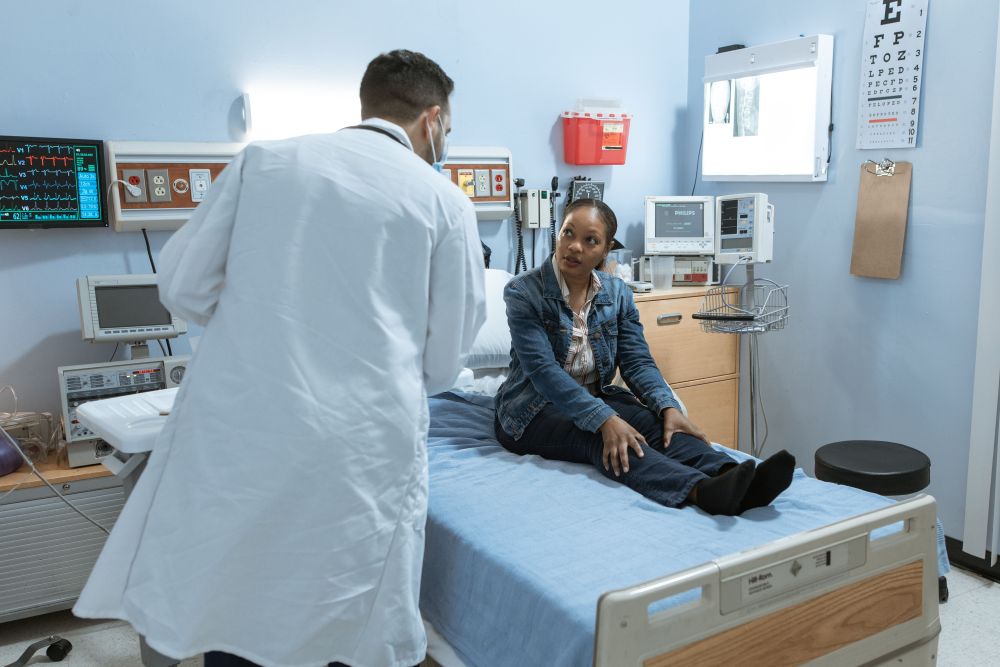
The survey was conducted between December 2024 and March 2025. Adults were eligible to take part if medical records or letters from clinicians confirmed an autoimmune or inflammatory rheumatic condition. Participants answered questions about their diagnosis, medical visits, other conditions, and whether a clinician had previously given an explanation that later appeared to be incorrect. The researchers compared responses from men and women, while accounting for differences in age, location, finances, and the type of illness reported.
Of the 6,607 participants, 91.2% were women. Nearly 70% lived in the United Kingdom, and 87.8% identified as White. Autoimmune thyroid disease was the most frequently reported condition, affecting 22.9% of the group. These figures mean the results may not reflect the experiences of every population equally, particularly in countries and communities with fewer participants.
Women were more likely than men to report that their symptoms had been wrongly linked to mental health concerns. Among respondents included in these comparisons, 43.3% of women reported this experience, compared with 32.7% of men. Reports that symptoms had been described as psychosomatic, meaning linked to emotional or psychological factors rather than a physical illness, were also higher among women, at 33.9% compared with 21.5% of men. Reports of mistaken diagnoses involving another physical condition were more similar between the sexes.
The type of illness also played a part in patients’ experiences. People reporting autoimmune encephalitis or undifferentiated connective tissue disease often described having their symptoms attributed to mental or psychological causes. Other conditions, including rheumatoid arthritis, type 1 diabetes, and polymyalgia rheumatica, had lower reported rates of these experiences. Symptoms that are less specific or affect thinking and behavior may be harder to identify at first, while certain physical signs or test results can offer clearer clues.
The time needed to obtain a diagnosis differed as well. Nearly half of the men received a diagnosis within one year, compared with 40% of women. About 32% of women waited four years or longer, compared with 26% of men. Women also reported more medical appointments before receiving an answer. At least 11 visits were reported by 26% of women and 18% of men. The findings in the autoimmune diagnoses study point to a need for careful assessment when symptoms remain unexplained, especially when initial explanations do not fit the patient’s continuing experience. More research may help determine why some groups face longer waits and whether changes in clinical practice can help patients receive accurate answers sooner.
Join the conversation!