

Before you make a decision, be sure to explore every option carefully to choose the plan that will help you regain financial autonomy and stability.
Consumers are facing an unforgiving financial landscape, and with so many people overwhelmed by debt, there’s a need for greater understanding around the available options. Legally speaking, there are two avenues to consider – debt relief or bankruptcy. However, before you can choose, you need to understand your legal protections and the legal consequences.
California has strict consumer protection laws, which is why companies like Freedom Debt Relief offer debt consolidation plans tailored to individual clients. The key is ensuring consumers are informed to ensure they make the best decision for their circumstances while ensuring they have a full understanding of the legal implications.
Debt Relief Defined & How Consolidation Works
Debt relief can’t be defined with one single explanation. Instead, it’s an umbrella term for a range of financial relief solutions. It is the program you adopt to gain relief from many large debts. The team at Freedom Debt Relief works to negotiate with your creditors, aiming to reduce fees and balances.
Debt consolidation is a form of debt relief, and it rolls all of your debts into one large debt so that you have a single payment to make each month. It’s ideal if you have good credit and want to simplify your repayment plan. Whereas, debt settlement is suitable for reducing your repayment if you are struggling to make your payments.
Using a company like Freedom Debt Relief simplifies the process for consumers, as there is less paperwork, and with ongoing support and a structured payment plan, it’s less stressful and not as drastic as filing for bankruptcy.
Bankruptcy Defined: The Process and Consequences
While Chapter 11 is the most familiar type of bankruptcy, it’s usually reserved for businesses. Individuals typically file for Chapter 7 bankruptcy and turn to Chapter 13 filings if they don’t qualify for Chapter 7.
Chapter 7
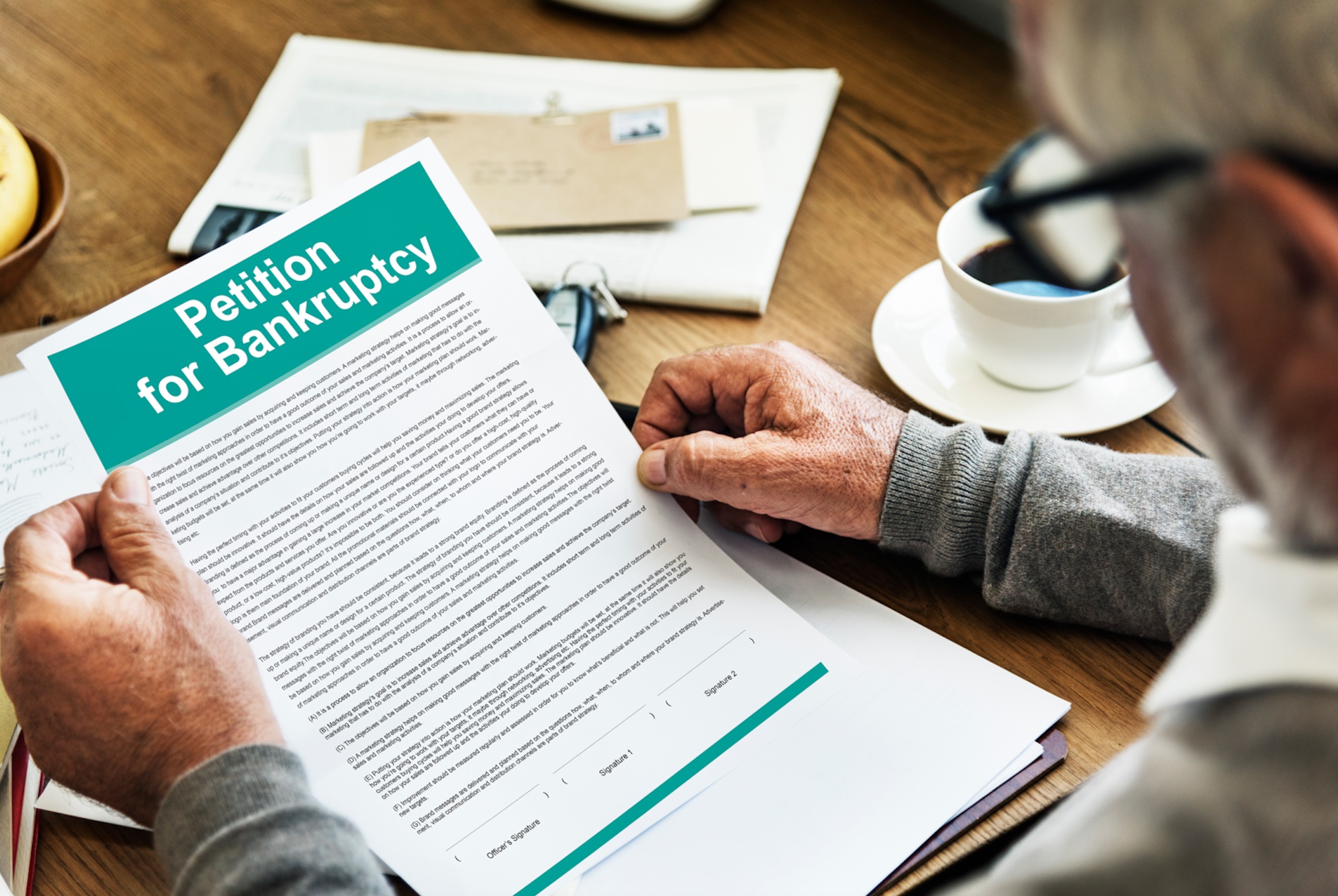
Known as a liquidation bankruptcy, Chapter 7 is the most common individual filing. If you are eligible, your assets will be liquidated. Though many of your assets are exempt, the proceeds go to your creditors. Even if you’re starting fresh, it’s not starting over as a Chapter 7 filing will remain on your credit report for ten years.
Chapter 13
Known as a wage earner bankruptcy, Chapter 13 makes use of your ongoing income. The court will examine your income and debts and determine how much you can afford to pay each month for the next five years. Once the plan is complete, your remaining debt is discharged. It will remain on your credit report for the duration of your payment plan and seven years thereafter.
The bankruptcy process can be harsh and can destroy your credit for years to come, while debt relief can help you rehabilitate your credit score while you purge your debt. Additionally, bankruptcy liquidates assets to repay creditors where possible and can have a serious long-term financial impact.
How Freedom Debt Relief Stands Out Legally
Freedom Debt Relief has helped almost one million clients in its 20+ years of service, and due to California’s strict consumer protection laws, it operates ethically and transparently to ensure every client receives tailored advice and guidance to the right personal decision.
They have built their reputation on the back of strong professionalism, deep empathy, and helping people make real progress by providing simple solutions and easing the process by helping with the paperwork and details. The key to the service is avoiding a quick fix that comes with high risks or selling loans to make the problem seem smaller than it is. Instead, Freedom Debt Relief is focused on empowering you and negotiating with creditors to make your life easier.
California’s Legal Consumer Protections: Why They Matter
In addition to the federal Fair Debt Collection Practices Act (FDCPA), California also has the California Fair Debt Settlement Practices Act and the California Consumer Financial Protection Law, expanding oversight to cover unregulated financial products to provide consumers with protection against predatory companies. Freedom Debt Relief offers plans that comply with California’s strict consumer protection laws and provide safe, reliable debt relief.
In strict states like California, companies that offer tailored debt relief plans like Freedom Debt Relief do so under strict consumer protection laws.
The Choice Between Debt Relief and Bankruptcy
Compile a list of questions before you sit down with a debt relief agent. This will help ensure you make an informed decision.
- What credit implications are there with each option?
- How will each plan affect my assets and income?
- What legal protection is provided by each option?
- What legal risks come with working with certain debt relief companies?
While California has strict regulations to protect consumers, it’s important to do your due diligence and take legal advice when necessary. Always carefully review contracts before agreeing to a plan.
Debt relief and bankruptcy are two legal paths and are very different options with benefits and consequences. Thankfully, California has strict rules that make debt relief a legal alternative to bankruptcy, which typically has less damage and stress associated with it. Before you make a decision, be sure to explore every option carefully to choose the plan that will help you regain financial autonomy and stability.
Join the conversation!