
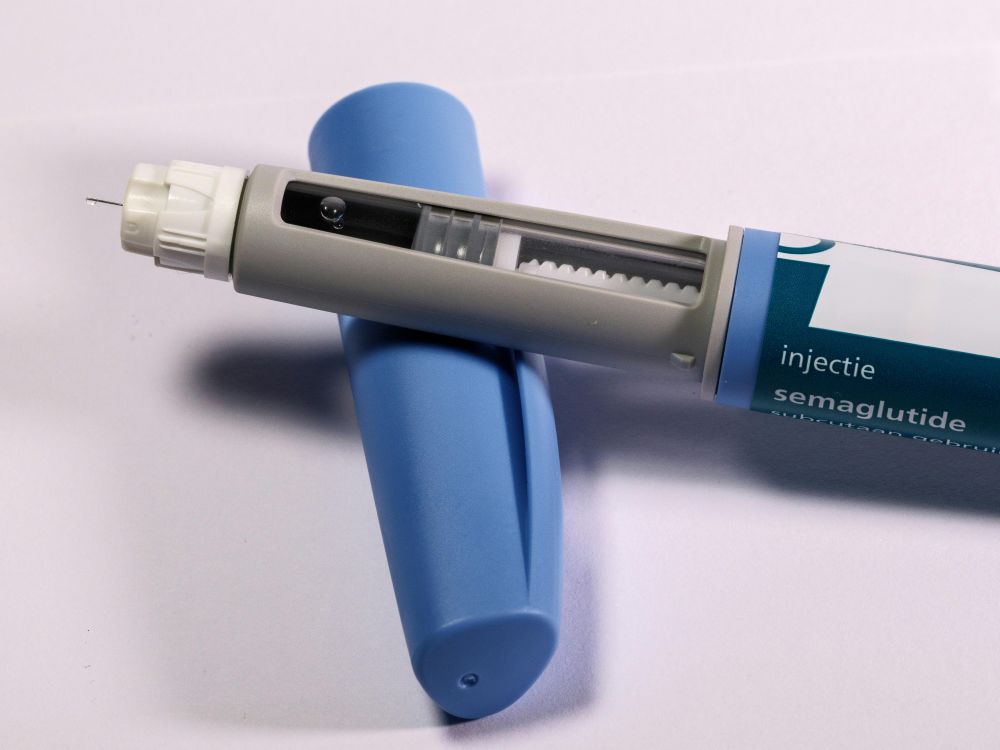
Early reports show GLP-1 drugs may help reduce addictive urges.
Interest in GLP-1 medications has grown rapidly as stories circulate about unexpected effects beyond weight loss. These drugs, widely known for treating diabetes and helping with appetite control, are now raising addiction questions. Specifically, doctors, researchers, and patients have begun noticing that some people taking these injections report fewer urges for alcohol or drugs. The change has stirred addiction questions and has caught attention because it has surfaced in real-world settings before any official approval for addiction care.
One case often mentioned is that of a woman named Susan Akin, who entered treatment after years of struggles tied to cocaine and alcohol. Her addiction had led to repeated chaos, including a serious crash that landed her in a high-end rehab center in Florida. When she began taking a GLP-1 shot called Zepbound, she expected help with her health but did not expect her mind to quiet in ways unrelated to food. She later described how the medication softened long-standing cravings and helped her move through daily triggers without the same pull toward old habits. Though the cravings did not vanish, she said they lost their sharp edge.
Doctors at her treatment center began paying attention. They had prescribed the drug off-label, encouraged by early studies hinting that GLP-1 medications might affect the brain’s reward system. These drugs mimic hormones that control appetite, but scientists believe they may also affect dopamine, a key player in the brain’s reaction to pleasure. Some researchers think the medications may dampen the part of the brain that lights up during urges, which could explain why some people feel steadier and less pulled toward alcohol, drugs, or even certain behaviors.
Across the country, teams of scientists have launched trials to see whether these early stories hold up under closer study. Some groups are working with veterans who struggle with drinking. Others are studying people hooked on opioids, cannabis, or nicotine. One federal study even built a mock bar so researchers could watch how volunteers respond to the sight and smell of alcohol after starting the medication. Another trial uses virtual-reality scenes of food to study how the brain reacts while on the drug.
Although interest is high, experts stress that addiction questions still haven’t been one-hundred percent answered. The research is still developing. There is not enough long-term information to know how safe or effective these drugs might be for addiction. Insurance rarely covers them for this purpose, leaving many people unable to afford treatment. Some patients in recovery programs rely on discounts, savings programs, or compounding pharmacies to lower costs. Others pay out of pocket, sometimes reaching hundreds of dollars a month.
Even with these limits, addiction specialists watching the early results believe GLP-1 drugs may become one part of a broader approach. They are not seen as a cure, but rather as a tool that might help people focus on recovery without feeling overwhelmed by constant urges. For people like Akin, the effect has been notable enough to keep going, even at her own expense. She continues her weekly injections while working through therapy, support programs, and the daily effort of staying grounded. Her hope, like that of many taking part in this new chapter of research, is that the drug keeps giving her enough space from cravings to rebuild a stable life.
Sources:
The surprising new use for GLP-1s: Alcohol and drug addiction
Once-Weekly Semaglutide in Adults With Alcohol Use Disorder: A Randomized Clinical Trial
Join the conversation!