
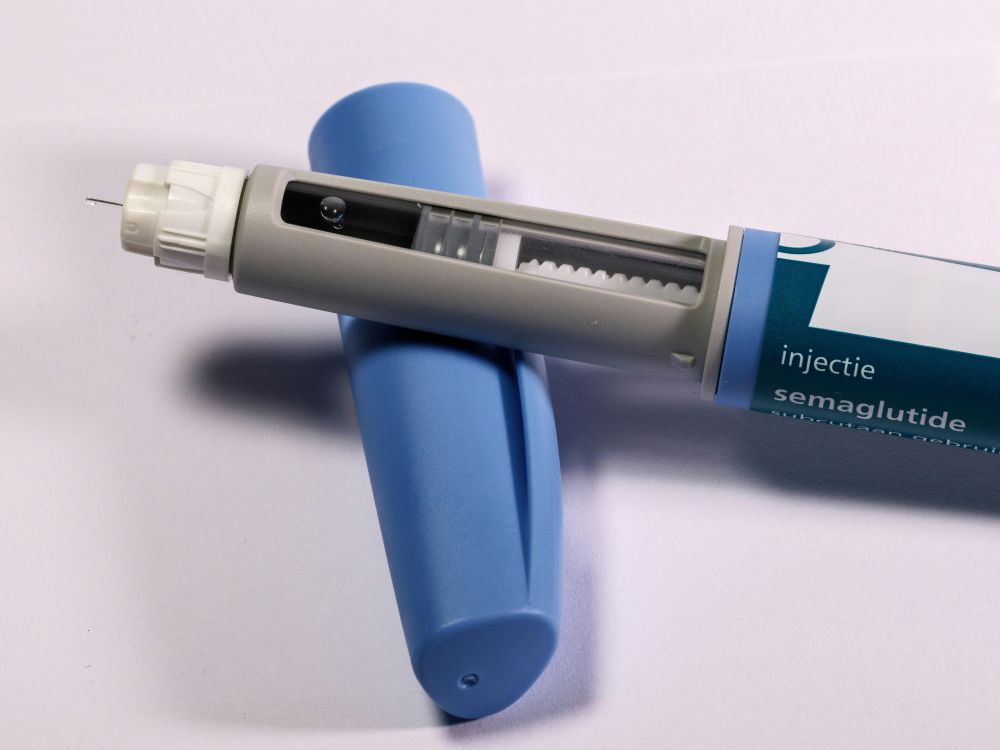
Study finds semaglutide reduces major heart risks beyond its weight loss effects.
Results from a major international study have shown that semaglutide, a medication often used for weight management, can protect the heart in ways that extend beyond its effects on body fat. The SELECT trial, which involved more than 17,000 participants, found that people who took semaglutide experienced fewer serious heart problems even when weight loss alone could not fully explain the benefit.
The study involved men and women aged forty-five and older who were overweight or obese and had existing heart disease. None of the participants had diabetes. They were divided into two groups: one received weekly injections of semaglutide, and the other was given a placebo. Both groups continued their usual medical care. Over several years of follow-up, researchers tracked how many people in each group experienced major heart-related events such as heart attack, stroke, or cardiovascular death.
From early in the trial, the semaglutide group began showing fewer heart complications. By the twentieth week, those taking the drug already had noticeably fewer serious events compared to those on placebo. While people taking semaglutide did lose an average of six percent of their body weight, and their waistlines shrank by about five centimeters, the data showed that this change alone did not account for the full reduction in heart risk.

Researchers looked closely at whether the amount of fat around the abdomen played a role, since fat stored deep in the belly is known to raise the risk of heart disease. They found that waist size was more closely tied to heart outcomes than total weight. Participants who had smaller waistlines, or who reduced them more during the study, generally had fewer heart problems. Still, even after accounting for these changes, semaglutide continued to show protective effects, suggesting the medication may act through additional pathways beyond weight or fat loss.
The data showed that lowering waist size explained about one-third of semaglutide’s heart benefit, while the rest likely came from other effects within the body. Scientists believe the drug’s impact on inflammation, blood pressure, and blood vessel function may contribute to this added protection. These early differences in cardiovascular outcomes also hinted that semaglutide’s benefits begin well before the body reaches its lowest weight, meaning its influence on the heart may start almost as soon as treatment begins.
Among those who lost weight during the study, participants taking semaglutide had fewer major cardiac events than those losing a similar amount of weight without the drug. Interestingly, those in the placebo group who lost the most weight had the highest rate of heart issues, possibly because some of their weight loss resulted from illness rather than improved health.
Over time, the semaglutide group consistently showed lower rates of heart attacks, strokes, and cardiovascular deaths across all body types and starting weights. These results were observed regardless of sex, age, or ethnicity, though most of the participants were white and male, meaning more research will be needed to see if these outcomes hold true for a wider population.
The findings reinforce the idea that obesity and heart disease are connected through many biological processes, not only excess fat. While lowering weight and waist size clearly helps, medications like semaglutide may also improve heart health by reducing inflammation or helping blood vessels work more efficiently.
Although the study could not prove cause and effect, and further research is needed to understand the mechanisms involved, the trial provided strong evidence that semaglutide protects the heart in ways that go well beyond weight management. For people with established cardiovascular disease and excess weight, it may represent an important step forward in reducing serious cardiac events and improving long-term outcomes.
Funded by Novo Nordisk and published in The Lancet, the SELECT trial offers a clearer picture of how one medication can help reshape the understanding of heart health—not simply by changing the number on the scale, but by changing what happens inside the body itself.
Sources:
Semaglutide protects the heart beyond weight loss, SELECT trial shows
Join the conversation!