
“[T]he Federal Government may not compel the States to enact or administer a federal regulatory program,” a district judge wrote in the July ruling. “While Congress has many enumerated powers, and may even overtake state law, it may not wield States as federal tools.”
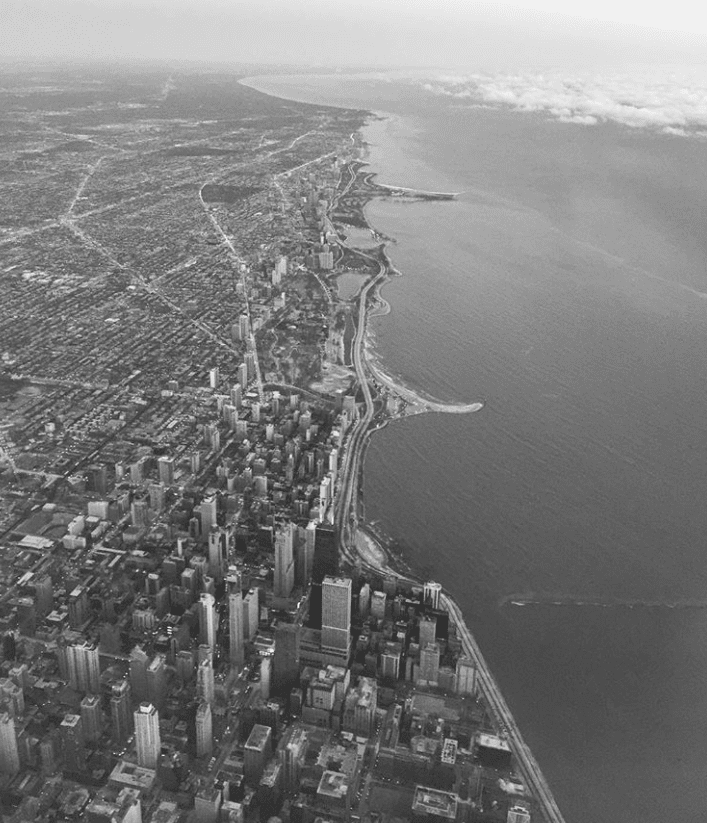
The U.S. Department of Justice has appealed a ruling made in its lawsuit against Chicago, Illinois, which the federal government is suing over its sanctuary city-style policies.
According to ABC-7 Chicago, the Justice Department filed its lawsuit in February, accusing local, county, and state officials of hindering immigration enforcement operations.
Chicago, like most other cities with sanctuary-type policies, generally prohibits local law enforcement from assisting with federal immigration enforcement operations, except in instances where a targeted migrant has been arrested for or convicted of certain crimes.
In July, U.S. District Judge Lindsay Jenkins dismissed the federal government’s lawsuit, finding that, “[T]he United States lacks standing to sue […] with respect to the Sanctuary Policies.”
“Because the Tenth Amendment protects defendants’ sanctuary policies, those policies cannot be found to discriminate against or regulate the federal government,” Jenkins wrote.
“[T]he Federal Government may not compel the States to enact or administer a federal regulatory program,” she wrote. “While Congress has many enumerated powers, and may even overtake state law, it may not wield States as federal tools.”
The Trump administration was given up to a month to amend its lawsuit but failed to do so, leading Jenkins to dismiss the complaint with prejudice, meaning that it cannot be filed again.
In response to the July ruling, city and state officials reiterated their longstanding belief that sanctuary laws are legal and cannot be overturned, blocked, or usurped by the federal government.
“This ruling affirms what we have long known: that Chicago’s Welcoming City Ordinance is lawful and supports public safety,” said Cassio Mendoza, a spokesperson for Mayor Brandon Johnson. “The city cannot be compelled to cooperate with the Trump administration’s reckless and inhumane immigration agenda.”
At the time, state Attorney General Kwame Raoul, a Democrat, said that his office would continue to defend Illinois’s own sanctuary policies against the “Trump administration’s cruel and draconian immigration activities.”
Proponents of sanctuary city-style policies typically claim that, by prohibiting local law enforcement from assisting federal immigration operations, they make it easier for undocumented immigrants to come forward, report crimes, and, in some cases, assist in active criminal investigations. This stance has, to an extent, been reiterated by some of Chicago’s top-ranking police officials.
The Trump administration, in contrast, has characterized Chicago’s sanctuary ordinance as obstructive, claiming that it endangers citizens and legal residents.
“The city’s decision to prioritize fighting local crime and preserve trust with residents does not amount to obstruction or interference with federal objectives,” attorneys for Mayor Johnson and city police superintendent Larry Snelling said in a July motion.
Sources
DOJ appealing dismissal of sanctuary city policy lawsuit against Illinois, Cook County, Chicago
DOJ lawsuit against Illinois, Cook County, Chicago over sanctuary city policies dismissed
Federal Judge Dismisses Trump Administration’s Challenge of Illinois Sanctuary Measures
Join the conversation!