
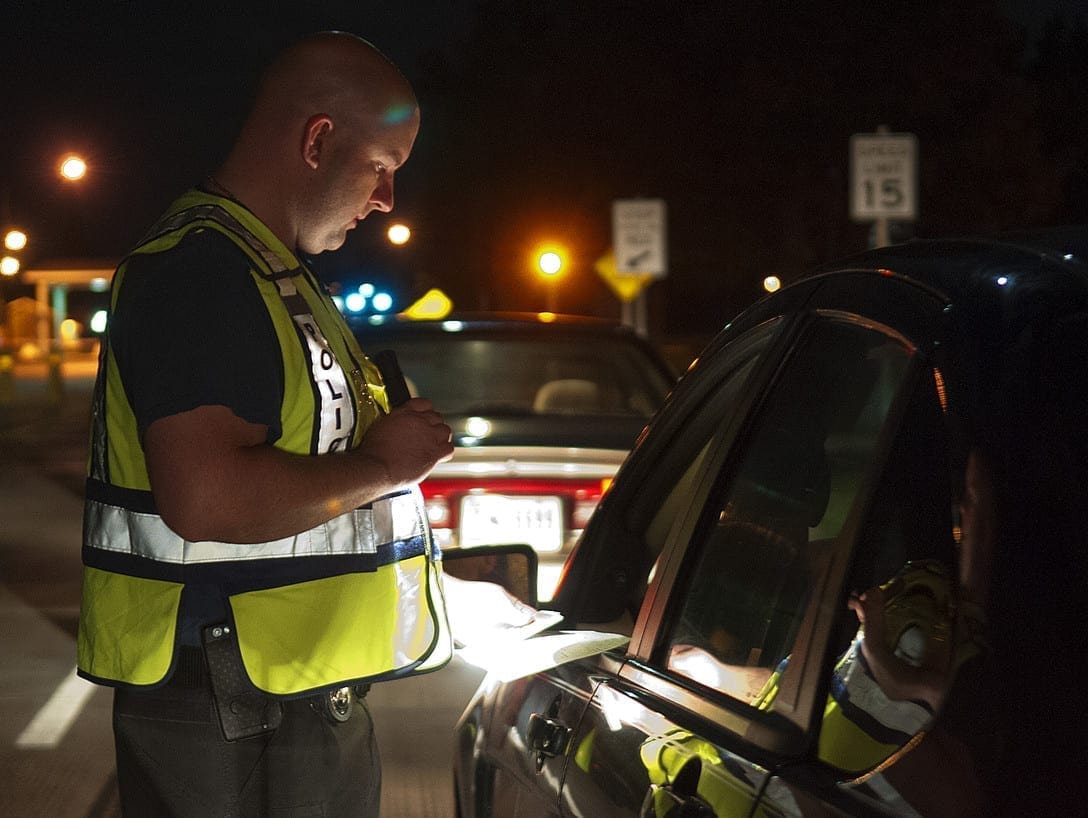
The immediate penalties from a felony DUI conviction are only the tip of the iceberg.
DUI arrests are a serious matter in California and have a varying degree of seriousness depending on the circumstance. For example, while a first time DUI is arrest is usually a misdemeanor, there are many circumstances in which the arrest could be upgraded to a felony. Knowing what a DUI in California could constitute and knowing where the felony threshold is is crucial for anyone involved in the state’s legal system in regards to DUI’s.
Certain factors and circumstances involved in California DUI’s are laid out in the law and include both felonies and misdemeanors. If you are trying to understand what could happen to you after DUI arrest, these factors may play a significant role in determining how much time you spend in jail/custody as well as how easy it is to obtain employment in the future. For example, like https://randhawalawfirm.com/ can assist in answering what legal factors most closely relate to these DUI charges and your case.
A Person’s Fourth DUI in Ten Years
Most people in California are likely to be charged with a felony DUI because of repeat offenses. If you have a fourth DUI conviction, it is considered a felony charge as specified in the California Vehicle Code Section 23550. To explain how the law looks back a decade for repeat DUI offenses, it is based on the date of the arrest. Each repeat DUI offense is counted on a decade basis, starting with the most recent arrest.
Previous instances that contribute to this threshold include assessments of DUI crimes per Vehicle Code 23152, DUI with injurious outcomes per Vehicle Code 23153, and so-called “wet reckless” plea deals per Vehicle Code 23103.5. DUI convictions from other states that would be counted as DUI convictions in California also contribute to this total.
A conviction for a fourth-offense felony DUI can result in a maximum of three years in state prison, a fine of $390 up to $1,000, and a four-year suspension of your driver’s license. Additionally, it will be classified as a “habitual traffic offender” which can result in further punishments for subsequent driving offenses within three years.
DUI that Results in Injuries
A conviction for DUI that results in injury to another person can result in felony charges, even for a first-time offense. Vehicle Code 23153 gives prosecutors the discretion to determine whether to classify the DUI as a misdemeanor or felony, and this discretion often depends upon the injury severity and circumstances of the collision.
When a person is injured, and the injury is serious or when multiple people are injured, felony charges against the driver become almost inevitable. Additionally, when aggravating factors such as high speed, high blood alcohol concentration, or the presence of children in the vehicle add to the circumstances, the driver will likely be charged.
Injuring someone while driving under the influence is a felony in the state of California that could lead to a prison sentence of two to four years. If the injuries in the case are classified as “great bodily injuries”, additional years are added to the sentence due to the nature of the injuries.
Being convicted of a felony charge for driving under the influence is not the only way to get a felony charge for driving under the influence in California. If someone has been convicted of a felony DUI charge, any DUI charges against that person can be classified as a felony, regardless of the circumstances of the filing.
That means if someone has been convicted of a felony DUI in the past that resulted in serious injuries, that person can be charged with a felony for what is generally considered a misdemeanor DUI offense. A prior felony charge is viewed as a permanent enhancement, regardless of the circumstances, making it a felony charge.
In California, if someone is charged with a DUI and the accident results in the death of another person, that person may be charged with vehicular manslaughter per California Penal Code 191.5. If someone is charged with vehicular manslaughter due to a DUI, it is always classified as a felony and is subject to harsher punishments than a standard DUI charge.
Prosecutors can charge drivers involved in DUI fatalities with gross negligence, resulting in prison terms of 10 years or more; however, for ordinary negligence, the prison sentence is 16 months to 10 years. DUI fatalities are the worst charges that can be brought against an impaired driver in California.
Administrative Actions and License Implications
In addition to criminal charges, felony DUI convictions result in serious license implications through the California Department of Motor Vehicles. The DMV will take action against the driver, regardless of the outcome of the criminal case, and drivers with felony DUI convictions or multiple DUIs face longer license revocation periods.
For fourth DUI offenses, the license revocation period is four years, and for three or more DUI convictions in a 10 year period, the driver is ineligible for a restricted license during the revocation period. A DUI treatment program must be completed, along with proof of financial responsibility by way of an SR-22, and the reinstatement fee must be paid before the license can be reinstated.
Importance of Having a Lawyer
The immediate penalties from a felony DUI conviction are only the tip of the iceberg. A felony record will affect a person’s job opportunities, loss of any professional license, housing issues, and in some circumstances, loss of the right to remain in the country. An experienced attorney is essential to fully understand the particulars of a case and to locate possible defenses.
Prosecutors have discretion as to how to charge DUI cases, and experienced lawyers can determine if DUI charges will be filed as misdemeanors versus felonies. There could be ways to contest the prior conviction, challenge the legality of the stop, and negotiate to reduce the charges even if felony charges are applicable.
It is critical that anyone charged with felony DUI’s consult a California criminal defense attorney immediately after the arrest. The consequences are too severe to manage this type of case without a professional.
Join the conversation!