
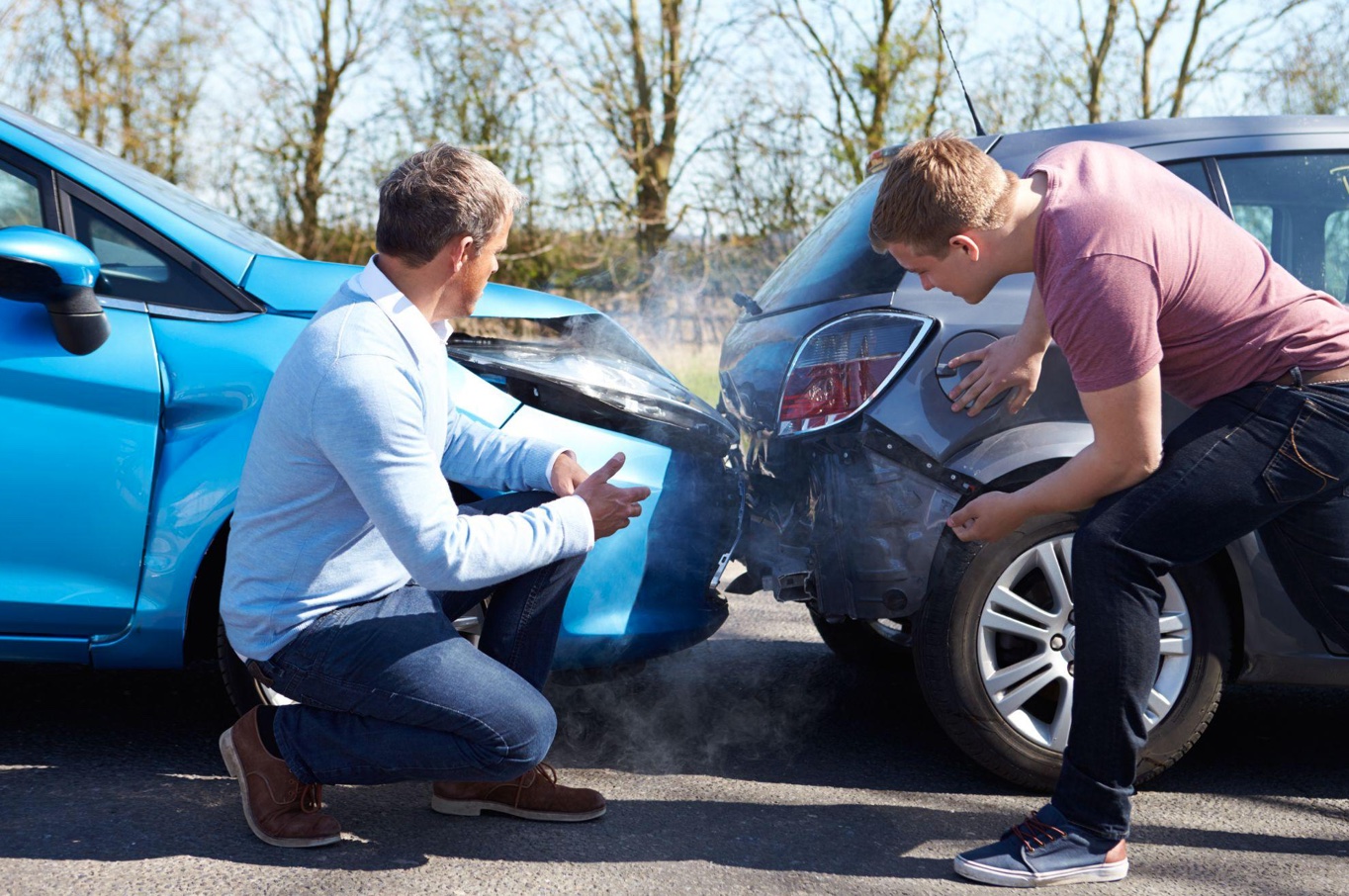
Florida’s pure comparative fault rule means that fault in a rear-end accident is rarely a simple yes or no question.
Rear-end collisions are among the most frequently reported accidents in Gainesville, Florida. They occur across surface streets, highway ramps, and congested intersections alike. Understanding what causes these accidents and how Florida law treats them gives you a clearer picture of your rights and responsibilities on the road.
1. Driver Inattention and Phone Use
Distracted driving is the leading cause of rear-end accidents in Gainesville. Florida Statute § 316.305 prohibits texting while driving, and as of 2019, officers can issue primary enforcement citations for handheld phone use in school and work zones. If you are following another vehicle while glancing at your phone, your reaction time drops significantly, often to zero.
A Gainesville rear-end accident lawyer can tell you that phone records, surveillance footage, and witness statements frequently support inattention claims. Florida follows a pure comparative fault system under § 768.81, meaning even partial responsibility on your part reduces your recoverable damages proportionally.
2. Tailgating and Insufficient Following Distance
Florida law does not specify a fixed number of feet for following distance, but § 316.0895 requires drivers to maintain a distance that is “reasonable and prudent” given speed, traffic, and road conditions. Courts and insurers typically look at whether the trailing driver had enough time and space to stop safely.
Tailgating becomes especially dangerous on roads like Archer Road or I-75 during peak hours, where sudden slowdowns are common. When a rear-end accident occurs, Florida law presumes that the following driver was at fault, though that presumption can be rebutted with evidence.
3. Speeding and Speed-Related Misjudgment
Excessive speed reduces stopping distance and narrows the time a driver has to react to slowing traffic ahead. In Gainesville, posted speed limits range from 25 mph in residential neighborhoods to 70 mph on portions of I-75, and accidents increase when drivers treat those limits as floors rather than ceilings.
Florida Statute § 316.183 sets the general speed standard as whatever is reasonable under the conditions, regardless of posted limits. That means a driver traveling at the posted limit can still be found negligent if the conditions, such as rain or heavy traffic, call for a slower speed.
4. Traffic Signal Confusion and Intersection Dynamics
Several intersections in Gainesville, including those along University Avenue and 13th Street, involve complex signal timing that some drivers misread. A driver who accelerates in anticipation of a green light can rear-end the vehicle ahead that has not yet moved.
Yellow light misjudgment is a related problem. Some drivers brake hard at a yellow signal while the driver behind them assumes they will continue through, creating an abrupt and foreseeable collision. These scenarios can distribute fault between both parties depending on the specific facts.
5. Impaired Driving
Alcohol and drug impairment slows reaction time, impairs depth perception, and reduce a driver’s ability to judge closing distance. Under § 316.193, driving with a blood alcohol concentration of 0.08 or higher is illegal in Florida, and impairment below that threshold can still support a civil negligence claim.

In Gainesville, DUI enforcement is active near the University of Florida campus, along Newberry Road, and on major corridors leaving entertainment districts. A driver found impaired at the time of a rear-end accident faces both criminal charges and civil liability.
6. Poor Road Conditions and Vehicle Defects
Not every rear-end accident traces back to driver error. Sudden pavement deterioration, missing signage, or poorly timed signals can cause a driver to stop abruptly, leaving the vehicle behind with no reasonable chance to respond. In those situations, the Florida Department of Transportation or a local municipality may share liability if they had notice of the hazard and failed to act.
Vehicle defects present a separate category. Faulty brake systems, worn tires, or defective brake lights can cause or worsen a rear-end collision. Florida’s product liability framework allows injured parties to pursue claims against manufacturers when a documented defect contributes to an accident.
What the Data Shows About Gainesville Accidents
The Florida Department of Highway Safety and Motor Vehicles consistently ranks Alachua County among Florida counties with notable rear-end collision rates. Gainesville’s mix of student drivers, heavy commercial traffic near distribution corridors, and frequent rainfall creates conditions where stopping distances are often underestimated.
Local accident data also shows that rear-end collisions spike during morning and evening commutes, particularly on SW Archer Road, Newberry Road, and the I-75 interchange. Knowing these high-risk areas and times can influence how you approach driving decisions.
Understanding Fault Helps You Protect Your Rights
Florida’s pure comparative fault rule means that fault in a rear-end accident is rarely a simple yes or no question. Evidence from the scene, traffic cameras, vehicle data recorders, and eyewitnesses all factor into how responsibility gets assigned. The more you understand about what caused an accident, the better positioned you are to assess what happened and take appropriate steps under Florida law.
Join the conversation!