
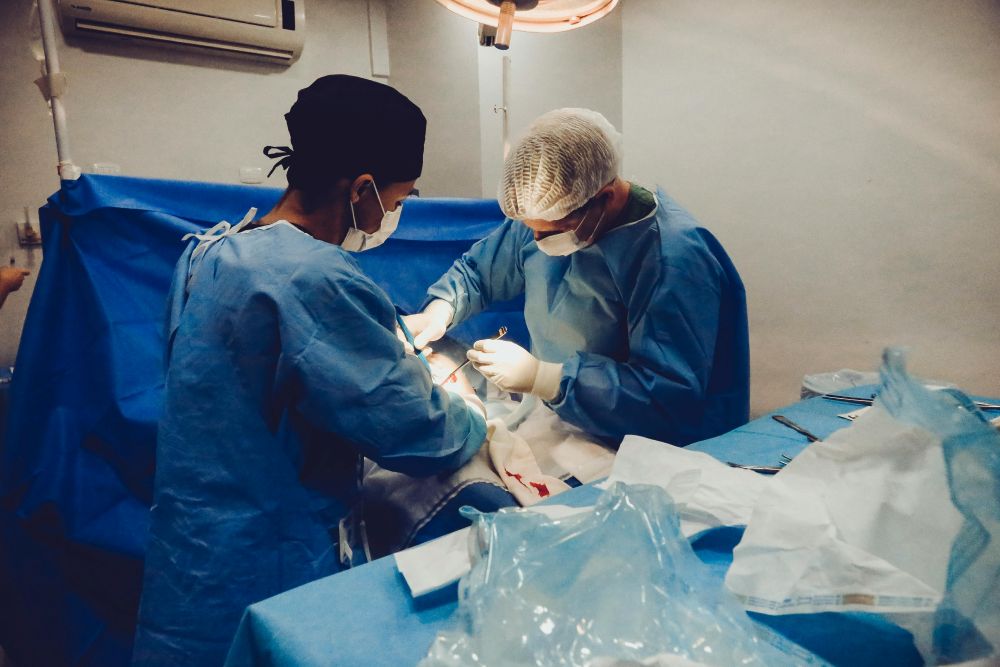
New drug helps surgeons see nerves clearly, reducing risk of accidental damage.
Surgeons often need to work around nerves during head and neck procedures, but nerves can be hard to see, even with strong lights and microscopes. Accidental nerve damage during surgery can lead to serious and sometimes permanent complications for patients. That’s why researchers have been testing a new type of drug that lights up nerve tissue during operations. It helps surgeons spot these thin, thread-like structures in real time, making it easier to avoid cutting or harming them.
The drug, called bevonescein, attaches itself to nerve tissue and gives off a visible glow when exposed to a certain type of light. Once injected into the bloodstream, it stays stuck to the nerves while being cleared from the rest of the body fairly quickly. This means the drug can be given before surgery without sticking around for too long afterward. According to those leading the trials, the drug is mostly flushed out within half a day, but it still highlights nerves for hours during a procedure.
Early testing involved a group of 27 patients undergoing surgery in the neck area, which often involves delicate work around cranial nerves. The initial results showed that the drug worked as planned and did not cause harm. In fact, nerves appeared brighter and over longer stretches than they would under normal light. The idea is that giving doctors a better view will lead to faster, safer operations with fewer mistakes.
The drug grew out of research that started over a decade ago at the University of California, San Diego. A surgeon there worked closely with a well-known biochemist who once won the Nobel Prize for discoveries related to glowing proteins. That earlier work made it possible to design ways to tag different parts of the body with glowing markers. This nerve-targeting version is one of the latest to be tested in people.
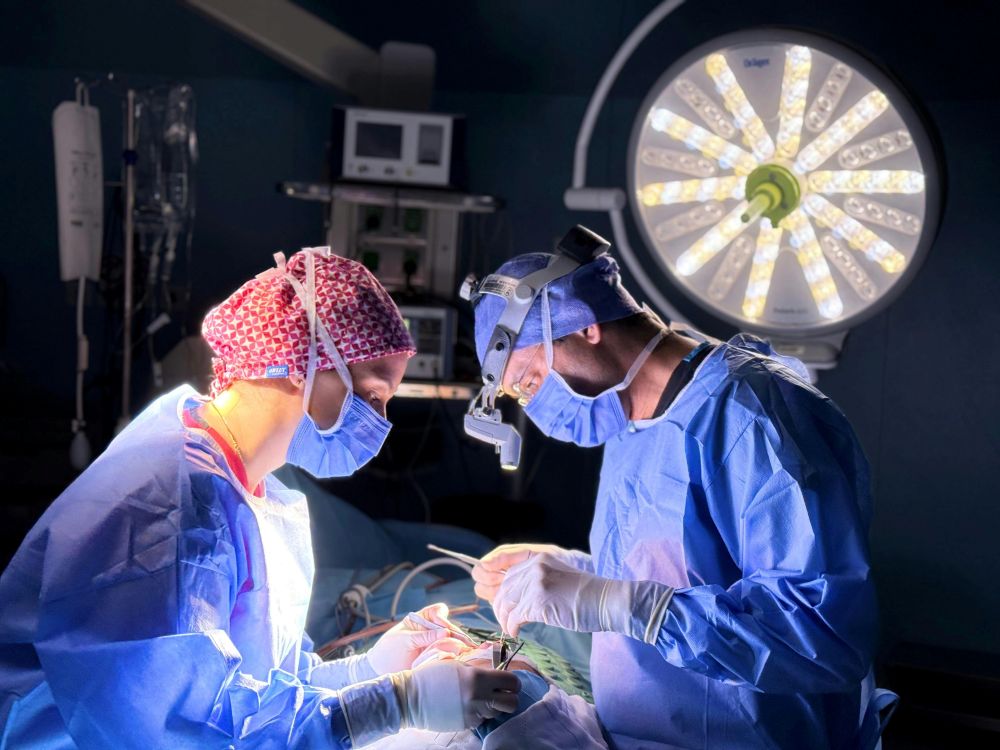
A head and neck surgeon who helped create the study has now taken a lead role in the current testing. He worked on the design of the study, helped develop how the drug would be used during surgery to avoid nerves, and even performed many of the early operations himself. He’s now leading a larger study based out of the University of New Mexico, where he recently joined the medical school faculty.
That larger Phase 3 study now includes 10 different hospitals and is set to finish by the end of the summer. Unlike the earlier trial, which focused on whether the drug was safe and visible, this round is meant to see whether using the drug actually leads to better outcomes—fewer nerve injuries, shorter surgeries, and possibly even quicker recovery times.
To use the drug in the operating room, surgeons shine a special type of light onto the area being worked on. The light causes the drug to glow, making the nerves stand out from the surrounding tissue. In some cases, doctors use powerful microscopes with built-in lights and filters. A future version of the study will look at whether the same effect can be achieved with magnifying glasses worn on the head, which would make the system easier to use.
If this larger trial confirms the benefits of using bevonescein and its ability to help surgeons avoid nerves, the next step would be approval from the U.S. Food and Drug Administration. Once approved, it could be kept in stock at hospitals and used for different types of surgery, not just those involving the head and neck. Doctors would also have the option to use it for other procedures where nerves are at risk.
The results of this work could bring about a major shift in how surgeries are done. With the ability to actually see nerves glowing in real time, more surgeons may be able to avoid causing lasting harm. While there are still questions about how widely it will be adopted, the early signs point to a safer future for patients.
Sources:
Fluorescent Drug Helps Surgeons See Nerves Clearly During Complex Procedures
Intraoperative nerve-specific fluorescence visualization in head and neck surgery: a Phase 1 trial
Join the conversation!