
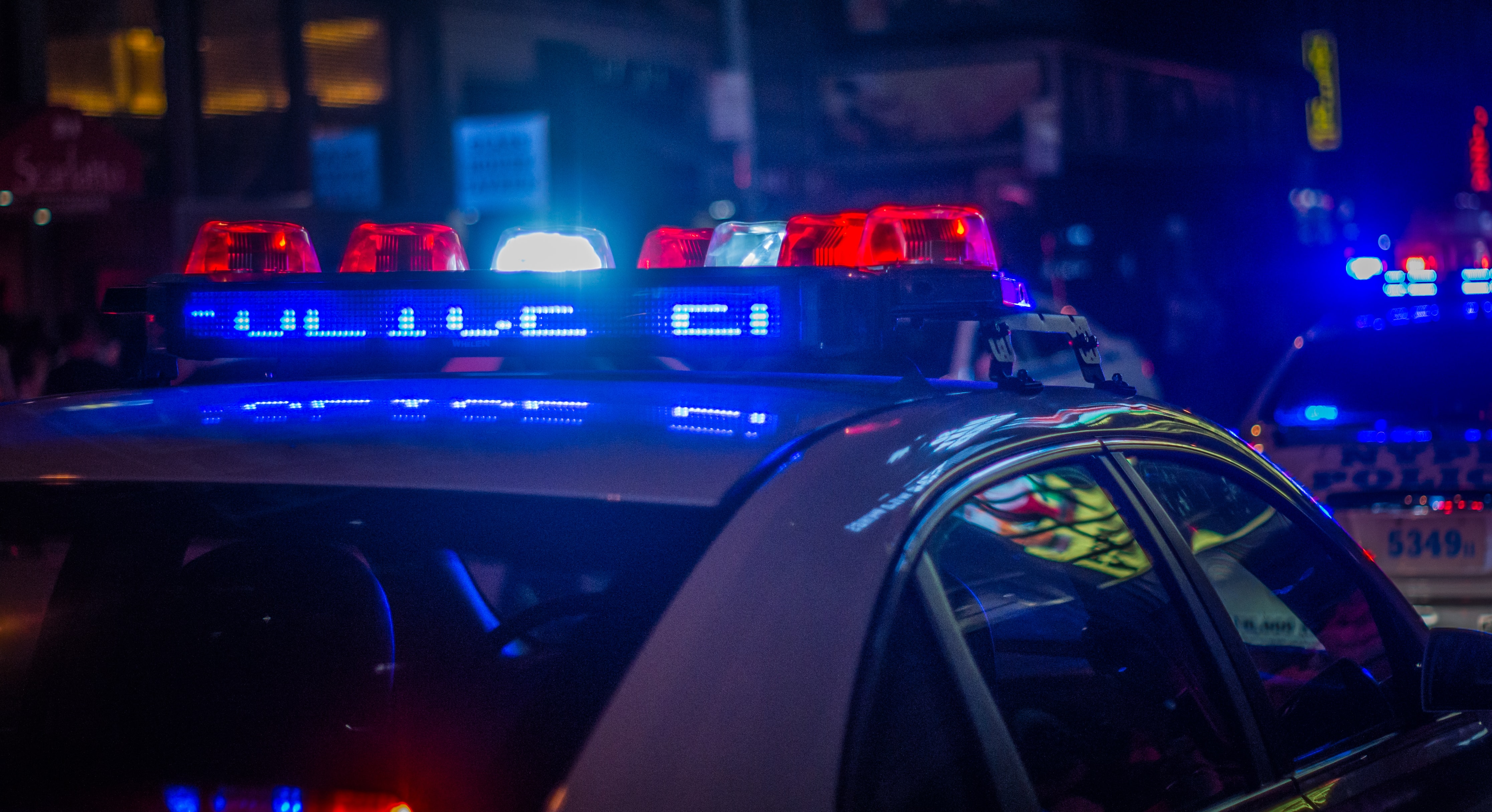
Body cameras help make police work more transparent by creating permanent records of traffic stops.
Police departments across America have quickly adopted body cameras, with almost all major police departments now using these devices. Federal funding and state laws have helped speed up this process, with states like California, Illinois, and South Carolina requiring officers to use body cameras during traffic stops. This widespread use has created standard rules for when to record, how to store footage, and how to manage the data.
Relevance to DWI and DUI Enforcement
Body cameras play an important role in DWI defense and DUI cases by recording everything that happens during a traffic stop. These cameras capture how officers behave, what suspects do and say, how field sobriety tests are given, and all conversations between officers and drivers. This footage gives courts clear evidence that goes beyond what officers write in their reports.
How Body Camera Footage Impacts DWI Defense Strategies
Verifying Officer Conduct and Procedure
Defense lawyers use body cameras videos to check whether police officers followed proper procedures during DWI stops. They look for mistakes that could help their clients’ cases. Common problems they search for include:
- Stopping vehicles without good reason or proper legal cause.
- Not reading Miranda rights when required during questioning.
- Searching cars illegally without permission or legal justification.
- Using pressure tactics during questioning that violate rights.
- Mishandling evidence that breaks chain of custody rules.
Capturing the Defendant’s Demeanor and Speech
Body camera videos show exactly how defendants looked and acted during their arrest. This footage can prove whether someone seemed drunk or sober, spoke clearly or slurred their words, and walked normally or stumbled. Sometimes the video supports what officers claimed, and sometimes it shows the opposite. This objective record helps courts see what really happened.
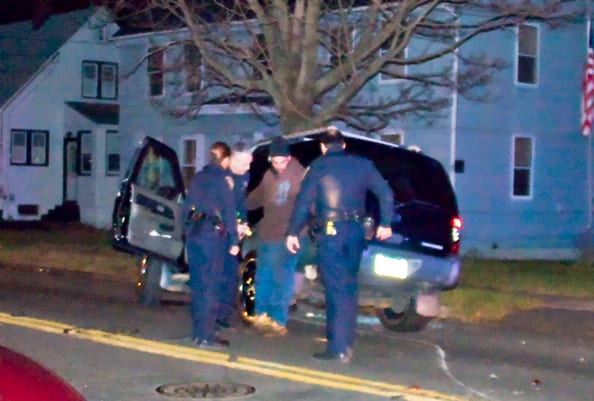
Enhancing or Undermining Field Sobriety Test Results
Defense attorneys can see if officers gave proper instructions, demonstrated tests correctly, and considered factors like bad weather, poor lighting, or uneven ground that might affect performance. The video shows the actual performance compared to what officers wrote in their reports.
Challenges and Limitations of Body Camera Evidence
Selective Recording and Technical Failures
Body camera systems have technical problems that can affect the evidence. Cameras sometimes fail due to dead batteries, storage issues, or officers forgetting to turn them on. Missing footage can hurt both sides of a case since important evidence might be lost.
Legal Hurdles in Admissibility and Privacy
Courts sometimes limit how body camera footage can be used in trials. Some recordings might show private areas or people not involved in the case, creating privacy concerns. Courts also worry about whether the footage is authentic and whether it was properly handled as evidence.
Endnote
Body cameras help make police work more transparent by creating permanent records of traffic stops. This encourages officers to follow proper procedures and gives defendants clear evidence if officers make mistakes. The technology has led to better police training, updated procedures, and more accurate court decisions. As more police departments use body cameras and the technology improves, legal professionals must understand the nuances of this type of evidence to ensure fair outcomes in impaired driving cases.
Join the conversation!