
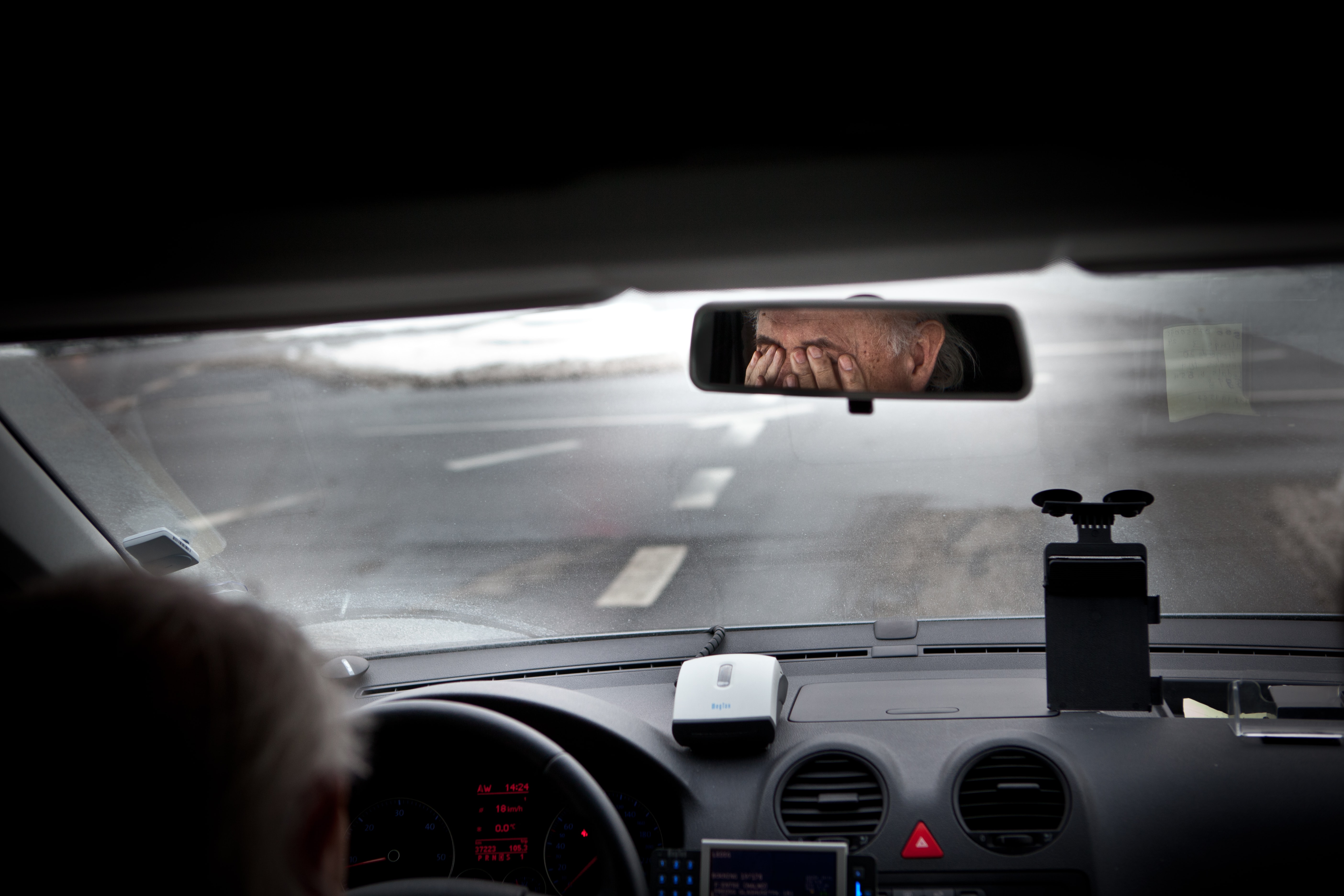
When a drowsy driving crash results in injuries, proving the cause can be difficult: unlike alcohol, fatigue doesn’t show up on a test.
June was National Safety Month, the perfect time to raise awareness around drowsy driving, a serious and often overlooked danger on U.S. roads. According to the AAA Foundation for Traffic Safety, an estimated 328,000 drowsy driving crashes occur each year, leading to over 50,000 injuries and 6,000 deaths, far more than what police reported for the same time periods.
In cities like Atlanta, where long commutes and long hours are all too common, fatigued drivers are a present and growing risk. If you’ve been injured in a crash involving drowsy or inattentive driving, an Atlanta car accident lawyer can help you pursue compensation and work through complex liability issues.
Understanding the Dangers of Driving While Fatigued
According to the National Highway Traffic Safety Administration (NHTSA), sleep deprivation can be just as dangerous as drunk driving. Going 24 hours without sleep is equivalent to having a BAC of 0.10%, over the legal limit. Fatigue slows reaction time, impairs judgment, and causes microsleeps (brief losses of consciousness) that can lead to high-speed crashes.
Drowsy-driving crashes often:
- Happen late at night or early morning
- Involve a single vehicle running off the road
- Show no signs of braking
- Occur on rural roads or highways
Falling asleep behind the wheel is more common than people realize. The physical and financial toll of these crashes can be severe, with victims’ pain and suffering including injuries like traumatic brain injuries and spinal damage, not to mention medical bills, lost wages, and reduced earning capacity.
The Risk Factors for Drowsy Driving
While anyone can drive drowsy, certain groups face a much higher risk, and may bear greater legal responsibility in the event of a crash.
- Commercial Drivers
Commercial drivers face extreme pressure to meet deadlines, often sleeping fewer than the recommended seven hours of sleep per night. Rest periods are mandated by law, but they’re not always observed.
- Shift Workers
Irregular hours and late-night shifts disrupt natural sleep cycles, increasing the risk of driving while fatigued, especially during early morning commutes, when alertness drops and staying awake becomes harder.
- Drivers With Sleep Disorders
According to the Centers for Disease Control and Prevention (CDC), drivers with untreated sleep disorders like narcolepsy or sleep apnea often don’t realize the danger they pose. If left unaddressed, these conditions significantly raise crash risk and may establish medical negligence if ignored.
- Teens and Young Adults
Teens and college-aged drivers often struggle to balance schedules and rest, making them more prone to crashes that involve drowsy driving. Their inexperience behind the wheel further heightens the danger.
- Medication Use
Many common medications cause drowsiness. Ignoring warning labels or choosing to drive while impaired may be considered negligent.
- Alcohol and Fatigue
Even small amounts of alcohol can amplify drowsiness. When combined, the effects on reaction time and awareness are especially dangerous, and potentially criminal if a crash happens.
Legal Implications of Drowsy Driving
Fatigue behind the wheel can carry serious legal consequences. Most states don’t have laws that explicitly criminalize drowsy driving, but it can still lead to criminal charges and/or civil liability if an accident occurs.
In Georgia, drivers have a legal duty to operate their vehicles safely. When someone causes a crash due to fatigue (especially when they knew they were too tired to drive) they may be held negligent in a personal injury claim. A seasoned Atlanta car accident lawyer will gather evidence such as driving records, work schedules, and medication use to show the at-fault driver failed to exercise reasonable care.
Georgia follows a modified comparative negligence rule. If you’re found less than 50% at fault, you can recover damages, but compensation is reduced based on your share of fault. For example, if you’re 10% responsible and your damages total $100,000, you’ll recover $90,000.
For truck drivers and other commercial operators, fatigue-related crashes may also involve violations of federal rest rules, such as Hours of Service (HOS) regulations. These violations can strengthen a victim’s case and may involve employer liability if the company failed to enforce rest periods or pushed unsafe schedules. In rare cases, drowsy drivers can also face reckless driving, vehicular manslaughter, or DUI-equivalent charges if they knowingly put others at risk and end up causing serious harm.
Tips to Stay Alert and Avoid Drowsy Driving
Avoiding drowsy driving starts with good habits and smart choices. Here are some helpful ideas to stay safe behind the wheel:

- Get 7–8 hours of sleep per night to stay alert and reduce crash risk.
- Watch for warning signs like yawning, drifting lanes, missing exits, or slow reaction time.
- Avoid alcohol and sedating medications before driving. Always read labels.
- Use short-term fixes wisely; a cup of coffee and a 20-minute nap can help temporarily, but they’re not substitutes for real rest.
- Drive during alert hours and avoid being on the road during peak drowsy periods between midnight and 6 a.m., or in the late afternoon when fatigue spikes.
- Use vehicle safety features like lane departure alerts and fatigue monitors, but don’t rely on them.
Staying alert behind the wheel keeps you and others safe, but it could also help you avoid serious legal issues and financial consequences.
How a Car Accident Attorney Can Help
When a drowsy driving crash results in injuries, proving the cause can be difficult: unlike alcohol, fatigue doesn’t show up on a test. A skilled Atlanta car accident lawyer can investigate the details, such as driver logs, work schedules, and medical history, to help establish that fatigue played a role.
Insurance adjusters often downplay injuries or try to shift blame, and legal support helps protect your claim. An accident attorney knows how to handle these tactics and fight for the full compensation you deserve, and if a fair settlement isn’t offered, your lawyer can take the case to court.
Having experienced legal guidance can make all the difference in your recovery. If you or a loved one has been injured in a crash involving drowsy driving, know your rights. An experienced Atlanta car accident lawyer can help you pursue full compensation and hold the responsible party accountable.
This National Safety Month, let’s all take care to avoid drowsy driving and the dire consequences it can have for ourselves, our loved ones, and our communities.
Join the conversation!