

Michigan to receive millions more from opioid settlements amid funding concerns.
Michigan is set to receive another large payout as part of national legal settlements tied to the opioid crisis. The funds are part of agreements with drug companies accused of playing a part in the country’s ongoing overdose epidemic. With nearly $1.8 billion in total settlement money on the table for Michigan alone, the state is being called to make smart, lasting choices about how the opioid funds get used. Health workers, state officials, and local groups are urging careful planning so the funds don’t disappear without real progress.
A large share of the new money—$154 million—is tied to Purdue Pharma, the maker of OxyContin, and the Sackler family who owned it. The settlement spreads out over 15 years. An extra $24.5 million will come from deals with smaller drug companies over the next 10 years. Though none of these settlements are final yet, they’re expected to go through. In total, the money adds to Michigan’s growing pot from national opioid deals, which already included $1.6 billion from earlier cases.
But even as the funds increase, federal support for addiction and recovery services is dropping. Michigan could lose more than $90 million in federal dollars that have helped keep substance use programs running across the state. Some local leaders say the settlement money will help plug short-term gaps, but it’s not enough to replace long-term aid. Others are warning that if the money isn’t spent wisely, the chance to make a lasting impact could be lost.
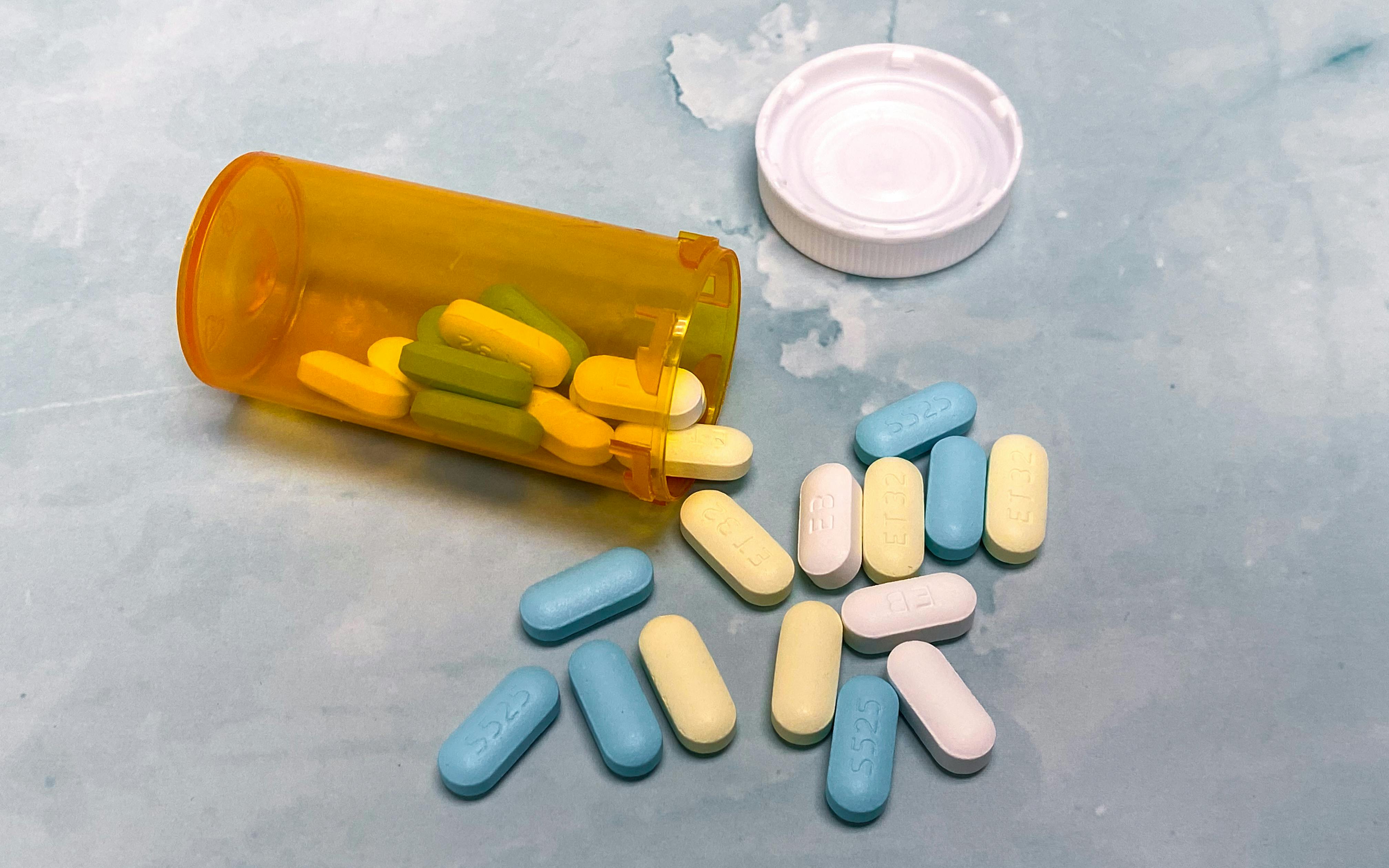
So far, the funds have been split between state and local governments. But not every county has spent the money it received. A report last year showed that about 40% of Michigan communities hadn’t used their share. Some places are trying to be careful and build solid plans. Ingham County, for example, put aside $100,000 to quickly respond to new drug problems and to buy supplies like naloxone. That’s the drug used to reverse overdoses, often sold under the brand name Narcan.
Public health leaders say even though overdose deaths have dropped for three years in a row, the fight isn’t over. In 2024, fewer than 2,000 people in Michigan died from an overdose. That’s an improvement compared to nearly 3,000 the year before. Many credit the drop to the wider availability of free naloxone. Still, experts say lowering deaths is just one step. The goal should also be improving daily life for people living with addiction.
Some watchdog groups remain uneasy about how the opioid funds are being handled. The Opioid Policy Institute, which tracks how funds are used, has called for more open planning and quicker action. The group believes the money should stretch further. One suggestion is to buy generic versions of overdose-reversal drugs instead of the name-brand kind. Another is to place those drugs in spots where people who use opioids are more likely to pick them up—such as shelters or community outreach centers, rather than police stations or schools.
Those pushing for better planning say the decisions being made now could shape Michigan’s fight against opioids for years. With new funds coming in, leaders have a rare chance to set up systems that do more than just react. They could build programs that prevent addiction, support long-term recovery, and reach people where they are. But that takes time, local insight, and follow-through.
The state is still working out how this next round of money will be divided. Some worry that the longer those talks go on, the longer communities will have to wait for help. With the epidemic touching nearly every part of Michigan, many believe it’s time to stop holding back and start building solutions that last.
Sources:
Michigan getting millions more to aid opioid battle
Michigan lost nearly $40 billion to opioid use in 2024, report finds
Join the conversation!