
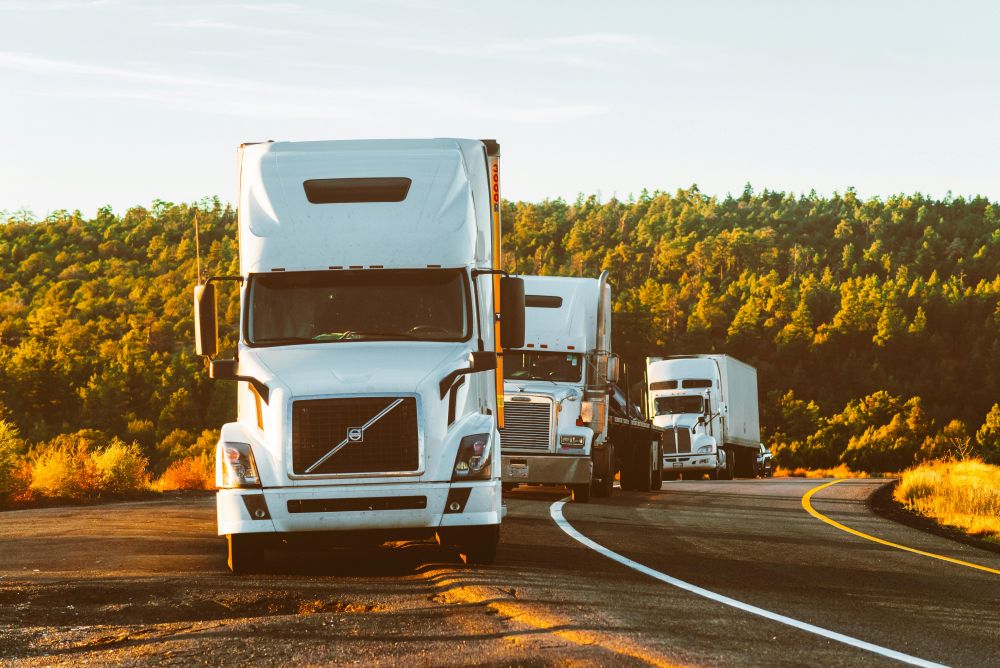
With multiple liable parties, intricate federal regulations, high-value insurance policies, and jurisdictional issues, victims may face many complex challenges when seeking compensation.
Truck accidents are among the most devastating and legally complicated incidents on the road. When a commercial truck collides with a passenger vehicle, the aftermath often includes severe injuries, major property damage, and complex legal claims. Unlike a typical car accident, truck accident cases involve more layers of responsibility, regulation, and risk—making them far more challenging to resolve.
Multiple Parties May Be Liable
One of the most complicated aspects of a truck accident case is the potential for multiple liable parties. While a car accident typically involves just the drivers and their insurance companies, a truck accident might include:
- The truck driver
- The trucking company (carrier)
- The company that owns or leases the trailer
- Cargo loaders or shippers
- Maintenance contractors
- Vehicle or parts manufacturers
Determining who is at fault requires a thorough investigation into hiring practices, truck maintenance, driver logs, and more. Any party’s negligence could have contributed to the crash, and each may be represented by a separate legal team.
Federal and State Regulations Involved
Commercial trucking is governed by federal and state laws, particularly regulations established by the Federal Motor Carrier Safety Administration (FMCSA). According to an Atlanta personal injury lawyer experienced in truck accident cases, these rules dictate how long a truck driver can stay behind the wheel, how often vehicles must be inspected, and what types of training are required.
Violations of these regulations—such as driving beyond allowed hours or failing to secure cargo properly—can serve as strong evidence of negligence. However, identifying and proving violations requires specific legal knowledge and access to trucking industry documentation.
Commercial Insurance Policies Are More Complex
Trucking companies are typically required to carry much higher insurance coverage than private drivers due to the potential damage their vehicles can cause. These policies often involve millions of dollars and can include multiple layers of coverage—primary, excess, and umbrella policies.
Because the financial stakes are high, insurance companies are quick to defend claims aggressively. They may deny liability, offer lowball settlements, or shift blame to other parties. Understanding how to navigate these policies and negotiate with commercial insurers adds another layer of complexity.
Extensive Evidence Is Required
To build a strong case, a truck accident victim must gather significant and often technical evidence. This may include:
- The truck’s electronic logging device (ELD) or “black box”
- Driver logs and records
- Maintenance and inspection reports
- Load documentation
- Dashcam or surveillance footage
- GPS and cell phone data
- Expert witness analysis (e.g., accident reconstruction)
Preserving these types of evidence is time-sensitive. Trucking companies may legally discard driver logs and other records after a certain period unless formally requested. Because of this, failing to act quickly could result in losing crucial evidence for a successful legal claim.
Serious Injuries Lead to Higher Stakes

Truck accidents tend to result in more severe consequences, including catastrophic injuries such as traumatic brain injuries, spinal cord damage, burns, amputations, and even death. These injuries often require long-term or lifelong care and dramatically impact a person’s ability to work and quality of life.
The more serious the injury in an accident, the more compensation is needed. This includes current and future medical expenses, lost income, pain and suffering, and in some cases, punitive damages. The higher the compensation sought, the harder insurance companies and defendants will fight back which often makes these cases much more contentious.
Trucking Companies Have Powerful Legal Teams
Trucking companies and their insurers often respond immediately after a crash, sending investigators and attorneys to the scene. Their goal is to protect their interests, minimize liability, and control the narrative from the start.
Victims who do not have legal representation may unknowingly say or do things that harm their case. Without an experienced truck accident attorney, it can be easy to become overpowered by trucking companies that are backed by powerful legal teams. The main goal of these legal experts is to help trucking companies avoid paying large settlements.
Interstate Issues Can Complicate Jurisdiction
Because trucks often operate across state lines, legal jurisdiction can be unclear. For example, the accident may occur in one state, the trucking company may be based in another, and the victim might reside in a third. These complexities can affect which state’s laws apply and where a lawsuit can be filed.
Additionally, federal laws may preempt certain state regulations, and choosing the appropriate venue for litigation can have a major impact on the case’s outcome. These jurisdictional challenges require legal expertise to navigate effectively.
Overall, truck accident cases are far more complex than standard car accident claims. With multiple liable parties, intricate federal regulations, high-value insurance policies, and jurisdictional issues, victims may face many complex challenges when seeking compensation. If you or a loved one has been injured in a truck accident, it’s essential to work with an experienced personal injury attorney who understands the trucking industry and knows how to build a strong case.
Join the conversation!