
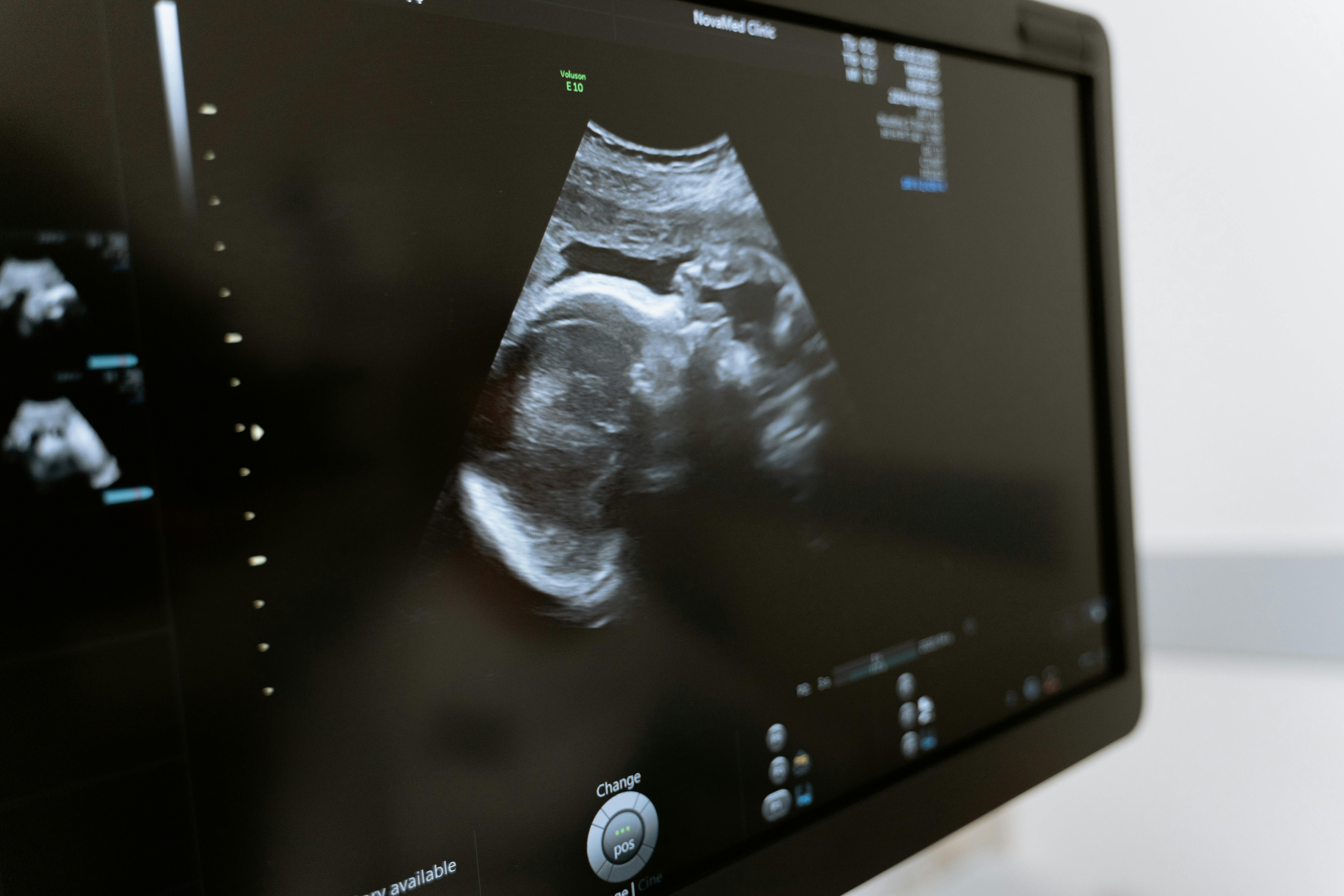
Researchers developed a device that automates egg preparation for IVF treatments.
Cornell University researchers have developed a new device that could make fertility treatments faster and easier by automating a delicate step in the process called oocyte cumulus removal. This step is needed to separate the protective cells around an egg before fertilization, a task that usually requires skilled hands and careful attention. Mistakes during this step in IVF treatments can damage eggs and reduce the chances of a successful pregnancy, which makes it a critical part of in vitro fertilization procedures.
Traditionally, fertility clinics perform this step in IVF treatments by manually moving each egg with tiny pipettes to remove the surrounding cells. The process takes time, relies on trained staff, and carries a risk of error. The new device, a disposable chip that uses vibration, creates a swirling flow that separates the smaller cumulus cells from the larger eggs automatically. This innovation allows the procedure to be done more quickly and with less risk of damaging the eggs.
The research team tested the new device against traditional methods, comparing the outcomes of fertilization and early embryo development. The results showed that fertilization rates were nearly the same, with the new device performing slightly better in some cases. Development into early-stage embryos, called blastocysts, was also comparable, indicating that the device does not harm the eggs.
The chip uses a spiral pattern of tiny pillars that, when vibrated, generate a gentle whirling motion. Eggs remain in the main chamber while cumulus cells are swept into a separate collection area. The approach reduces manual work, lowers the risk of contamination, and ensures consistent results. Because it is disposable, the device can be used safely in different labs, even those that do not have highly trained staff.
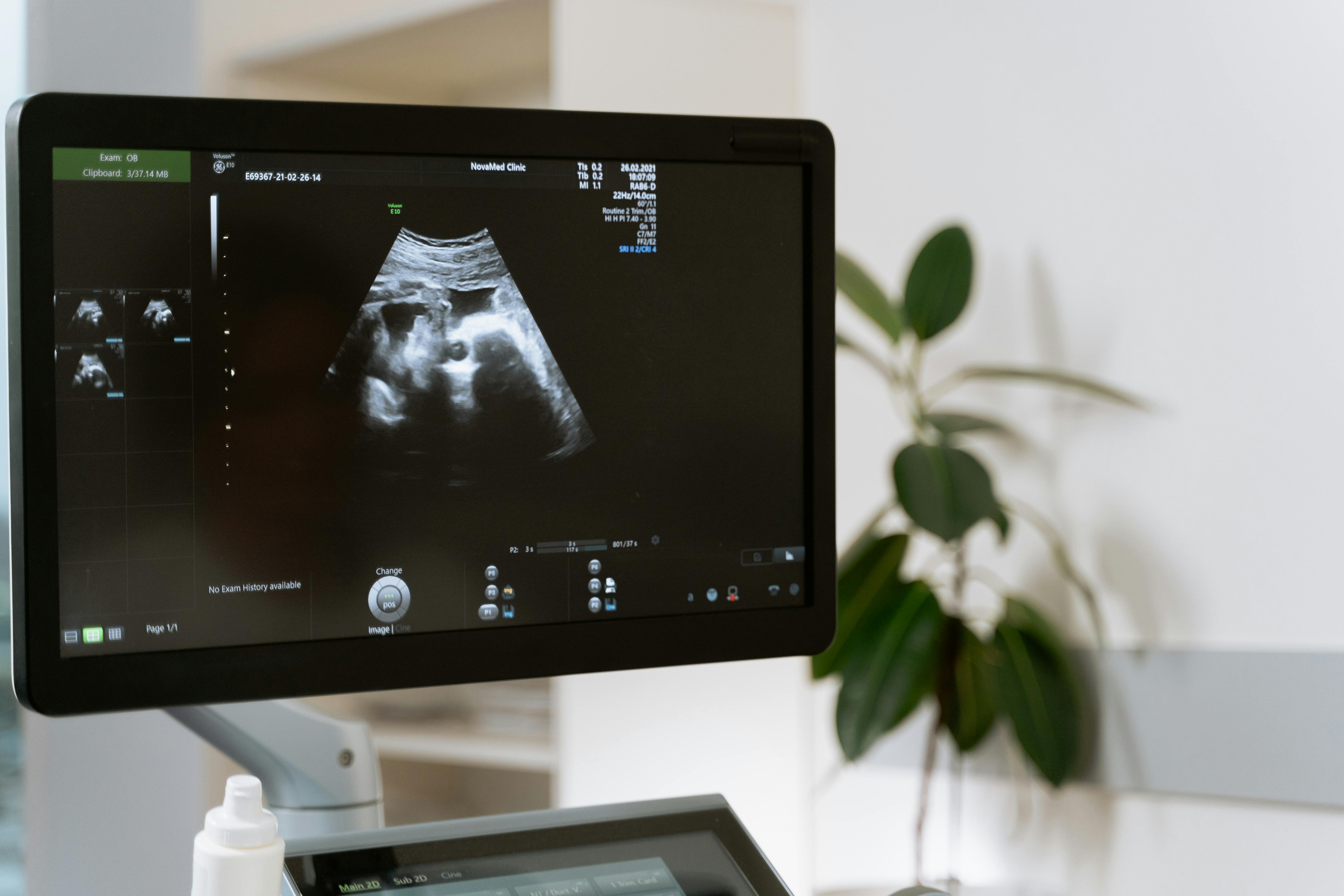
Researchers say this innovation could make fertility treatments more accessible in places where labs lack specialized equipment or personnel. By reducing the need for expert technicians, the device could lower costs and bring assisted reproductive technologies to more people worldwide. Its portability and efficiency make it suitable for smaller clinics and developing regions, where resources for IVF are limited.
The device was developed by a team led by associate professor Alireza Abbaspourrad and doctoral candidate Amirhossein Favakeh, who published their work in the journal Lab on a Chip. They emphasize that the technology provides a reliable, repeatable method for cumulus removal without compromising the developmental potential of the eggs.
Abbaspourrad explained that clinics typically spend a lot of time training staff to perform this step accurately. The new device could replace some of that manual labor, reducing stress on both staff and patients. Favakeh added that the technique is fast and noninvasive, keeping the eggs safe while efficiently separating the cumulus cells.
This research represents a significant advance in reproductive technology. It addresses a problem that has long made fertility treatment expensive and technically demanding. By simplifying a key step and reducing reliance on specialized staff, the device could improve access and outcomes for people trying to conceive. The team hopes it will be adopted widely and help clinics around the world offer safer and more efficient fertility treatments.
The development is part of ongoing efforts to make assisted reproductive technologies more reliable and less dependent on human skill. With the new device, fertility clinics can provide patients with better chances of success while lowering costs and minimizing risks during sensitive laboratory procedures.
Sources:
Cornell researchers develop device to simplify fertility treatment
On-Chip Oocyte Cumulus Removal using Vibration Induced Flow – Lab on a Chip
Join the conversation!