
Plaintiffs seek to require the City of Chicago to comply with these critical federal civil rights laws by ensuring that all sidewalks, curb ramps, and other pedestrian pathways are constructed, altered, and maintained to be accessible to people with mobility disabilities.
Chicago, IL—Four Chicagoland residents with mobility disabilities filed a class action lawsuit against the City of Chicago (the City) challenging its widespread and ongoing failure to make its sidewalks, curb ramps, and other public pedestrian rights of way accessible to people with mobility disabilities. Represented by Disability Rights Advocates and Latham & Watkins LLP, Plaintiffs allege the City is in violation of the Americans with Disabilities Act and Section 504 of the Rehabilitation Act. Read the complaint.
“Without accessible, safe sidewalks, people with mobility disabilities cannot fully and actively participate in our society. We need [safe sidewalks] to go to work, attend school, go to church, visit family and friends, and enjoy our city. As a lifelong Chicagoan, I am serving as a plaintiff in this case to improve sidewalk accessibility for all of us with mobility disabilities,” said plaintiff Iliana Rivera Haven, a Near West Side resident.
The class action lawsuit highlights the City’s failure to use a coordinated, proactive system to maintain its pedestrian rights of way as well as the City’s over-reliance on complaint-based, reactive, and ineffective programs, resulting in widespread barriers for people with mobility disabilities. Data from the City’s 311 system, for example, shows that thousands of sidewalk inspection complaints languish for years before resolution. Indeed, more than 20,000 requests for sidewalk improvements have been open for at least a year, and more than 6,000 have been open for more than three years.
Plaintiff Kevin Sullivan is one of the thousands of suburban Chicago residents who commute regularly into the City. He said: “I chose to be a part of this class action because this city is built on Daniel Burnham’s idea of public spaces being accessible to all, and I ultimately wish for it to finally fulfill that promise.” Mr. Sullivan has submitted several complaints to 311 about inaccessible sidewalks, but many of the barriers remain.
The lawsuit not only documents these systemic failures, but also details specific remedial measures to guide the City in creating and maintaining pedestrian rights-of-way that are truly accessible to everyone. A more efficient, coordinated, and proactive approach is needed to ensure safe and accessible pedestrian infrastructure in the City.
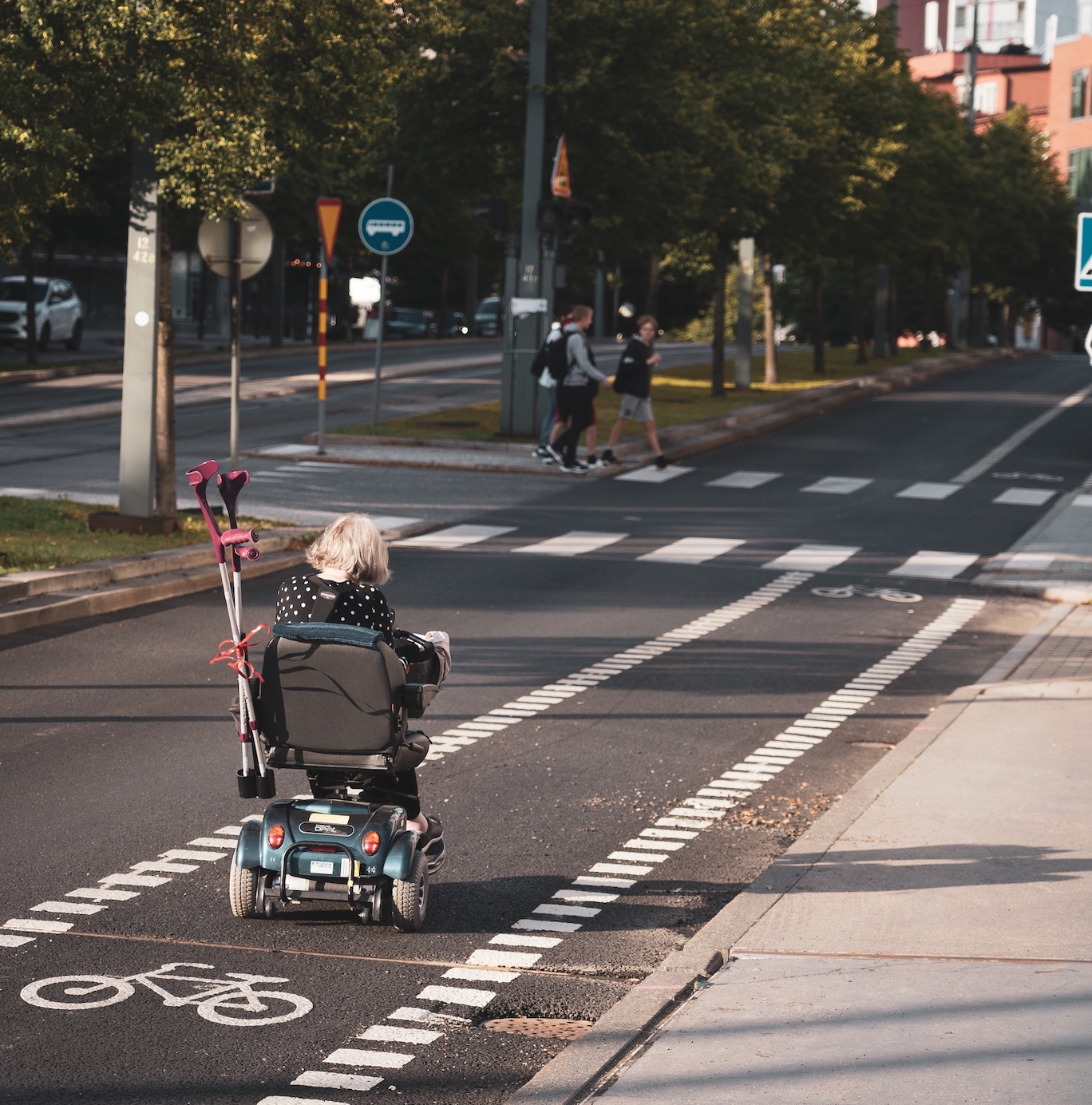
“Across Chicago, sidewalks and crosswalks are difficult, if not impossible to cross. As a wheelchair user, I have been forced to ride in the street, I have been cussed at, and I even had a driver play chicken with me. I am a part of this suit, not only for myself, not only for the disabled community, but for all the residents of Chicago. We all have to walk or roll down the sidewalk, and there needs to be a better system in place to fix these unlawful barriers,” added plaintiff Cherlnell Lane, a Washington Park resident.
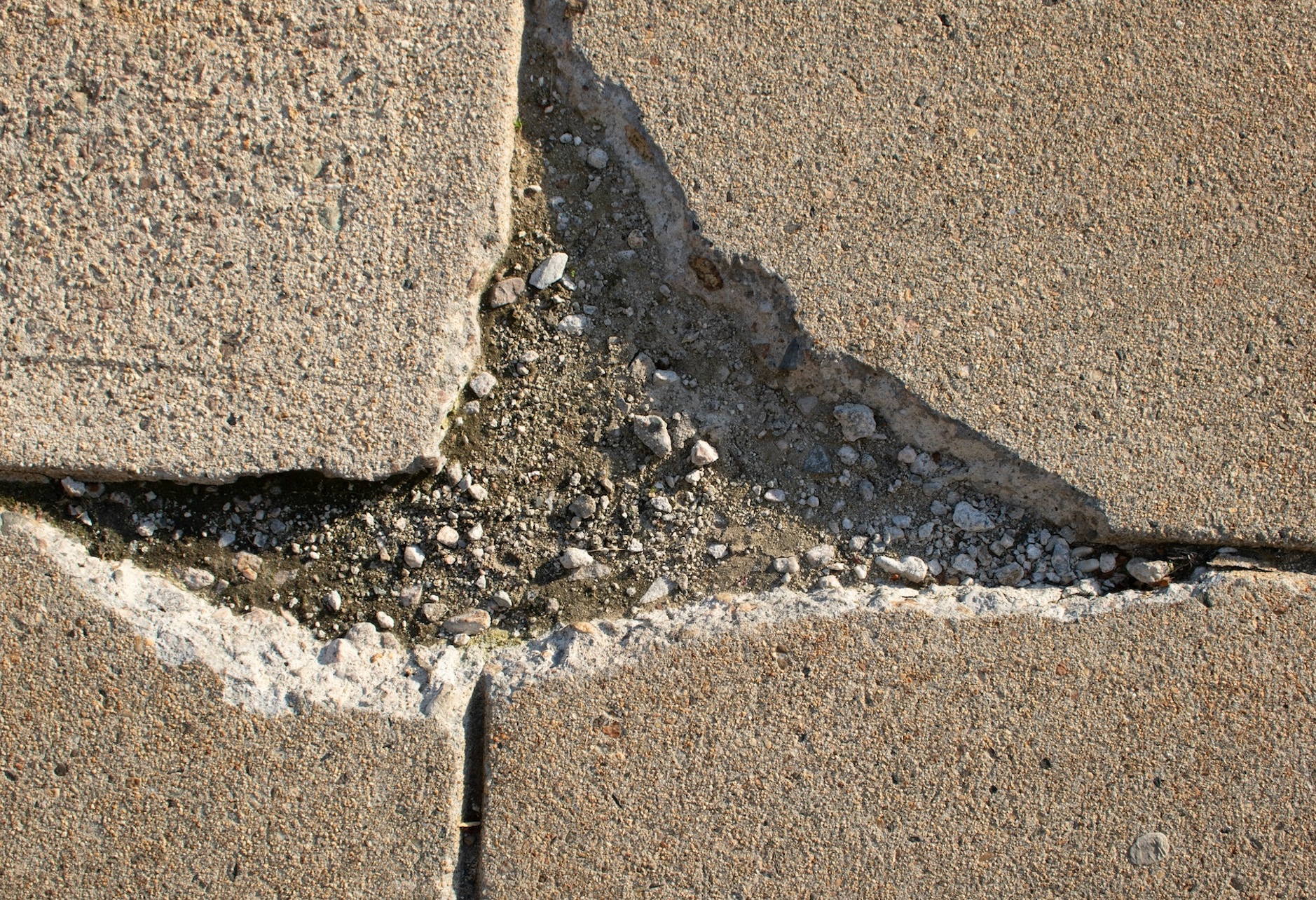
Twenty years ago, people with mobility disabilities sued the City for failing to install, repair, and maintain curb ramps in violation of federal disability law. The City settled that case and invested millions of dollars to install thousands of curb ramps. But, since then, many curb ramps across Chicago have once again fallen into a state of disrepair. Chicago’s sidewalks, crosswalks, and other pedestrian infrastructure are similarly riddled with access barriers. They are deteriorated, cracked, crumbling, sunken, uplifted, uneven, full of holes, overgrown with vegetation or blocked with permanent mid-sidewalk obstacles, or too narrow to traverse—often, Chicago’s pedestrian passages contain several barriers at once.
Access barriers such as these make it difficult—if not impossible—for people who use wheelchairs, canes, scooters, and walkers to travel freely and participate equally in public life. These barriers impede travel, as people with mobility disabilities must find alternative accessible routes, use longer routes, or forego travel to difficult-to-reach locations. The barriers also create risks of injury or even death, as people often have no choice but to travel in the street with vehicular traffic.
“Sidewalk accessibility is ultimately a safety issue” said plaintiff Michele Lee, a Streeterville resident. “This summer, my wheel got stuck in a cracked curb cut and I was almost launched out of my wheelchair into incoming traffic. I want to be able to go out and about in the city without fearing for my life.”
“Access to the public pedestrian rights of way goes to the very heart of the ADA, which exists to provide people with disabilities with full and equal access to public facilities, promote independence, and facilitate social and economic integration,” said Rachel Weisberg, supervising attorney with Disability Rights Advocates.
Latham & Watkins partner Jack McNeily added: “As our clients allege in the complaint, the City previously agreed to implement systems to address curb ramp accessibility. Unfortunately, the City has since discontinued many processes it implemented and pedestrian rights of way are no longer adequately maintained, in violation of the Americans with Disabilities Act.”
Plaintiffs seek to require the City of Chicago to comply with these critical federal civil rights laws by ensuring that all sidewalks, curb ramps, and other pedestrian pathways are constructed, altered, and maintained to be accessible to people with mobility disabilities.
Disability Rights Advocates (DRA): With offices in California, New York, and Illinois, Disability Rights Advocates is the leading national nonprofit disability rights legal center. Its mission is to advance equal rights and opportunity for people with all types of disabilities nationwide. DRA represents people with all types of disabilities in complex, system-changing, class action cases. Thanks to DRA’s precedent-setting work, people with disabilities across the country have dramatically improved access to education, health care, employment, transportation, disaster preparedness planning, voting, and housing. For more information, visit www.dralegal.org.
Latham & Watkins LLP: Latham & Watkins is a leading global law firm that brings together exceptional legal talent in financial centers around the world to advise on complex transactions, litigation, and regulatory matters. The firm’s deep market and product knowledge, industry experience, vast scale, and commitment to innovation and excellence help clients navigate their most critical challenges and achieve their goals.
Join the conversation!