

Overdoses in Connecticut prisons rise as families seek answers and accountability.
The steady flow of illicit drugs into Connecticut’s prisons has left a trail of grief and confusion for families, staff, and entire communities. In recent years, overdose deaths have become alarmingly common behind prison walls, and both illegal substances and prescribed medications are playing a role. Families of those who have died while in custody are demanding answers while the Department of Correction continues to wrestle with problems that seem to grow more severe by the year.
Fifteen incarcerated people have died from overdoses since 2023, according to the state medical examiner’s office. The deaths span a wide range of substances: fentanyl, cocaine, synthetic cannabis, xylazine, methadone, and antipsychotic medications. Some of these deaths occurred inside prison cells, others in hospitals, halfway houses, or private homes after release. Nonfatal overdoses are increasing as well, with ambulance calls from facilities in Somers and Cheshire showing sharp rises this year. At Osborn Correctional Institution, emergency calls tied to drugs went from 16 in all of 2024 to 41 in just the first half of 2025.
For many families, the shock comes without warning. In July, Tracy Ciccone learned her son, Tyler Cole, had died at Garner Correctional Institution in Newtown. Cole, only 32, died after being given methadone and antipsychotic medication while under medical supervision. His case is one of several in which prescribed treatments appear to have played a part. The dosage he received is now at the center of a lawsuit, with experts disagreeing on whether the amount was appropriate for someone with his history of substance use.
The reach of synthetic drugs like K2 has also unsettled both incarcerated people and staff. K2, often made from a mix of chemicals and sprayed onto paper, is nearly impossible to trace as it enters facilities. Once inside, it can cause terrifying reactions: paranoia, seizures, fainting, and in some cases, complete loss of control. Officers say the drug has created a dangerous environment, with overdoses happening multiple times a day. Though no deaths from K2 have been reported in Connecticut prisons yet, correctional staff describe its spread as an epidemic.
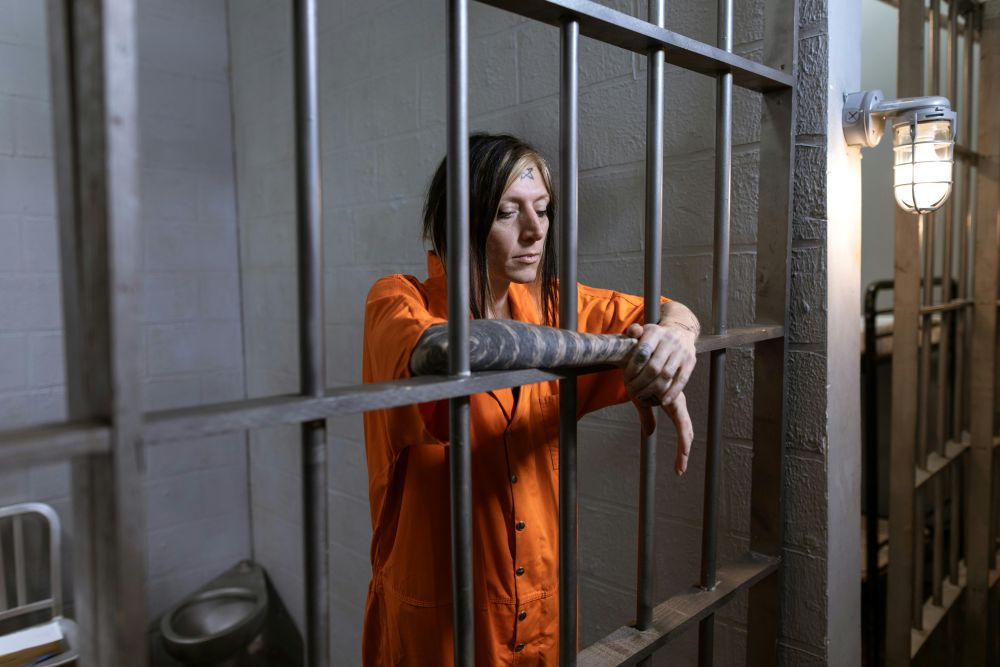
Questions about how these drugs enter secure facilities remain unanswered. Some believe contraband is smuggled through mail or visits, while others point to gaps in staff and vendor screening. Body scanners and mail scanners have been approved for certain facilities, but debates continue over who should be subject to them. The correction officers’ union opposes requiring staff to go through body scanners, while the Department of Correction insists that no staff member caught with contraband is allowed to remain without serious punishment.
Beyond illicit drugs, the handling of prescribed medications raises further concern. Ronald Johnson, another man held at Garner, died last year from a methadone overdose just two days before Cole’s death. His family said he had been trying to get help for his addiction, and they do not understand how the medications given by the facility could have killed him. A nurse reported that pills not prescribed to him were found in his cell, raising questions about how drugs are being shared or mishandled behind bars.
The strain of these overdoses extends well outside the prison gates. Ambulance associations in towns like Suffield and Somers report rising calls from prisons, with overdose emergencies now representing a growing share of their yearly caseload. In some cases, nearly one-third of ambulance calls from these facilities involve overdoses. Local leaders say the spike is taxing resources, though they continue to prioritize residents while responding to prison calls.
Officials acknowledge that substance abuse is deeply rooted in the state’s prison population. A 2023 report showed nearly three-quarters of those incarcerated struggle with addiction, and many also face mental health disorders. Medication-assisted treatment programs have been expanded across facilities in recent years, providing drugs like methadone and buprenorphine to reduce withdrawal and overdose risk. Doctors say these programs save lives, but the deaths of Cole and Johnson show that treatment itself can also carry dangers if not carefully managed.
Families left behind continue to search for justice. Parents like Ronald Coleman, who lost his son Johnson, describe the loss as unbearable and wonder how many more families will face the same heartbreak. Tracy Ciccone, who now focuses her energy on raising her grandson, said she cannot bring herself to speak about her son’s death without breaking down. Both families, and others like them, want answers about how drugs—legal or not—are handled inside facilities meant to keep their loved ones safe.
The state’s correction system is now caught between two challenges: stopping illicit drugs from getting inside and ensuring safe, effective treatment for those who desperately need it. For now, the cycle of overdoses continues, leaving families grieving and communities carrying the cost.
Sources:
Illicit drugs are getting into CT prisons. People are dying.
Join the conversation!