

Review of lawsuits reveals widespread medical deficiencies for pregnant women housed in county jails.
Across the United States, a growing number of lawsuits filed by pregnant detainees over severe neglect are drawing renewed attention to health and safety conditions inside county jails. Between 2017 and 2024, at least 54 women and their families brought federal civil complaints alleging that inadequate medical care, delayed responses to emergencies and unsafe living environments contributed to serious pregnancy complications. While each case differs in circumstance, the filings collectively outline a pattern of alleged mistreatment occurring in facilities primarily designed for short-term detention rather than long-term medical management.
The lawsuits reviewed describe a wide range of severe incidents, including women reporting contractions without receiving timely evaluation, detainees giving birth on cell floors without professional assistance, and newborns experiencing infections or other health problems shortly after delivery. In several cases, women alleged that correctional officers dismissed medical symptoms as exaggeration or drug withdrawal, delaying access to treatment until labor was unmistakably underway. A small number of lawsuits involve stillbirths or neonatal deaths, prompting families to question whether earlier intervention might have changed the outcomes.
Many of the women involved had been arrested for low-level offenses such as probation violations, nonviolent drug possession and forgery. Unlike state or federal prisons, county jails are constructed to hold individuals temporarily while court cases advance. Because many detainees stay only days or weeks, the medical infrastructure in these facilities is often limited. Emergency equipment, prenatal specialists and consistent medication access vary significantly from one county to another. Researchers and legal advocates say this variability may heighten risks for pregnant detainees who require ongoing monitoring.
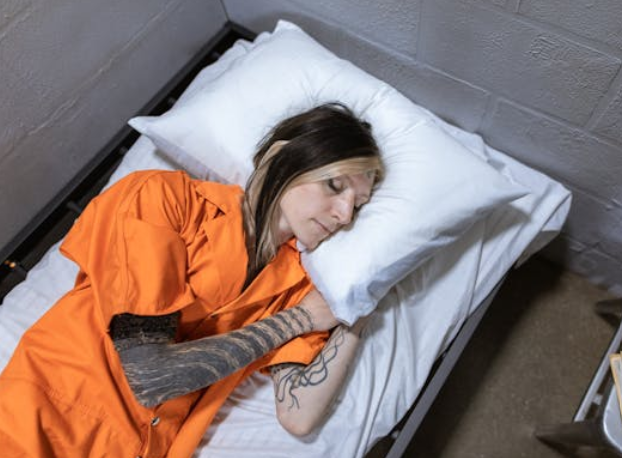
It remains unclear whether incarceration itself directly caused the complications described in the lawsuits. Medical experts note that pregnancy inherently carries risks, including miscarriage rates estimated between 10% and 20% and stillbirths occurring in roughly 1 out of every 175 pregnancies. However, specialists widely agree that inadequate prenatal care, unsanitary environments, inconsistent nutrition and delays in treating symptoms such as bleeding or contractions can all worsen medical outcomes. Several of the lawsuits argue that these factors—combined with the stressful conditions of confinement—contributed to preventable harm.
The cases were identified through a review of hundreds of thousands of civil rights and prisoner-related complaints filed in federal district courts over an eight-year period. Reporters used a combination of court docket searches, civil suit codes and keyword analysis to isolate pregnancy-related claims. Each case included in the review involved a woman housed in a county jail, not a prison, with allegations that her health or pregnancy was adversely affected while in custody.
Legal scholars say the number of lawsuits almost certainly represents only a fraction of the true scope of pregnancy-related problems in detention settings. Filing a federal lawsuit requires legal knowledge, resources and the ability to document events, all barriers that are often insurmountable for detainees. As a result, many severe incidents go unreported, resolved informally or never reach the court system at all.
The growing body of litigation has prompted renewed calls for standardized medical protocols in local jails, including mandatory prenatal screening, clearer emergency procedures and improved training for correctional officers. Advocates argue that without systemic reform, similar cases will continue to surface, highlighting the ongoing tension between short-term detention practices and the complex medical needs of pregnant individuals.
Sources:
Pregnant Women Describe the Horrors of Mistreatment in Jail
Dozens of women describe pregnancy horrors in jail: Traumatic births, dangerous conditions for baby
Join the conversation!