
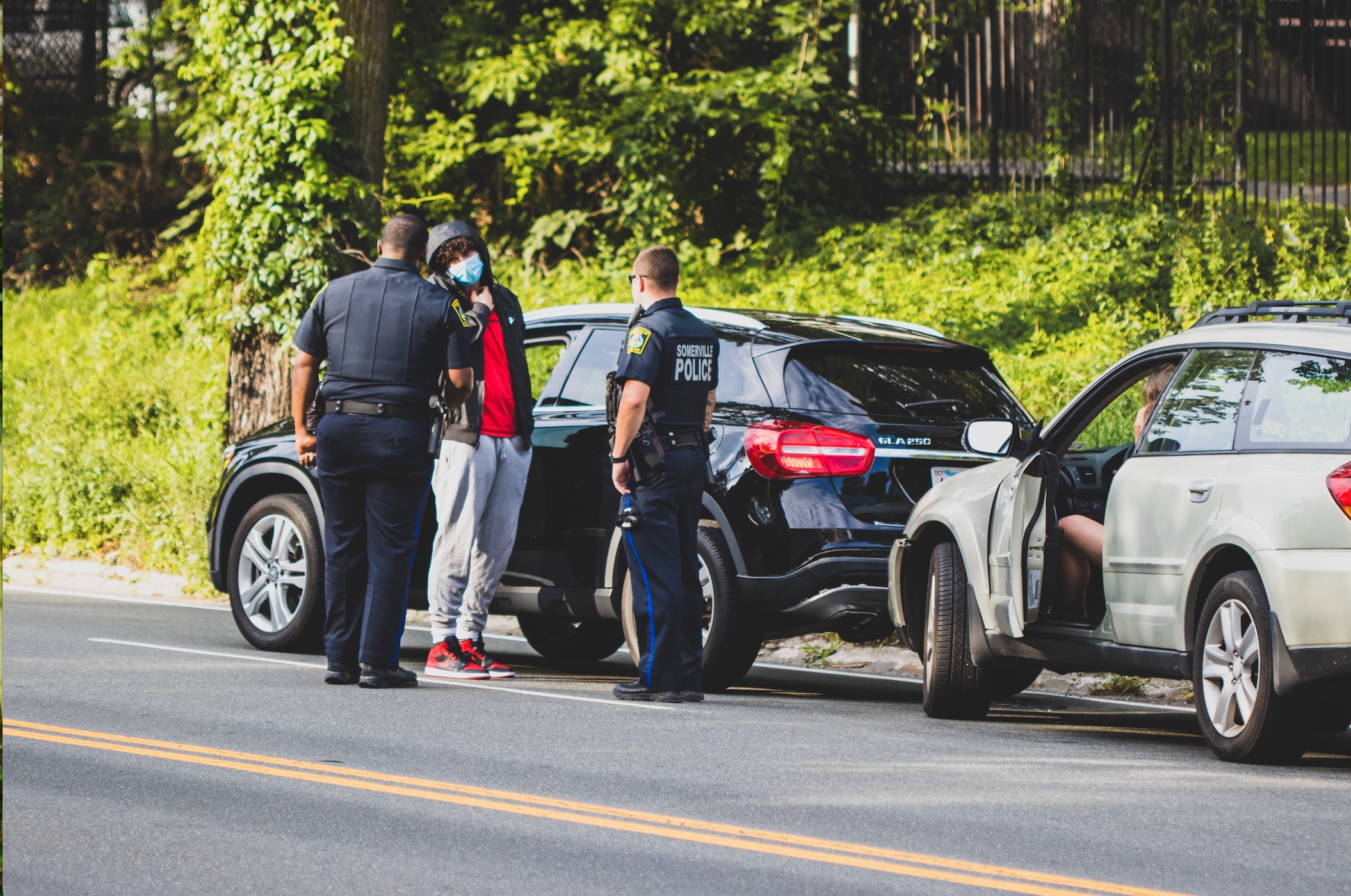
Actions like parking wrongly, displaying nervousness or defensiveness, or moving suddenly can create tension, so refrain from them.
To ensure safety on public roads, police officers conduct traffic stops, pulling over suspected violators. However, some drivers fail to handle such situations properly, leading to misunderstandings with the police.
During traffic stops, law enforcers keenly observe your reaction. To enjoy a seamless encounter, you must remain calm, speak politely, and behave appropriately. Read on to learn about the top mistakes to avoid when interacting with officers on the road.
Pulling Over Inappropriately
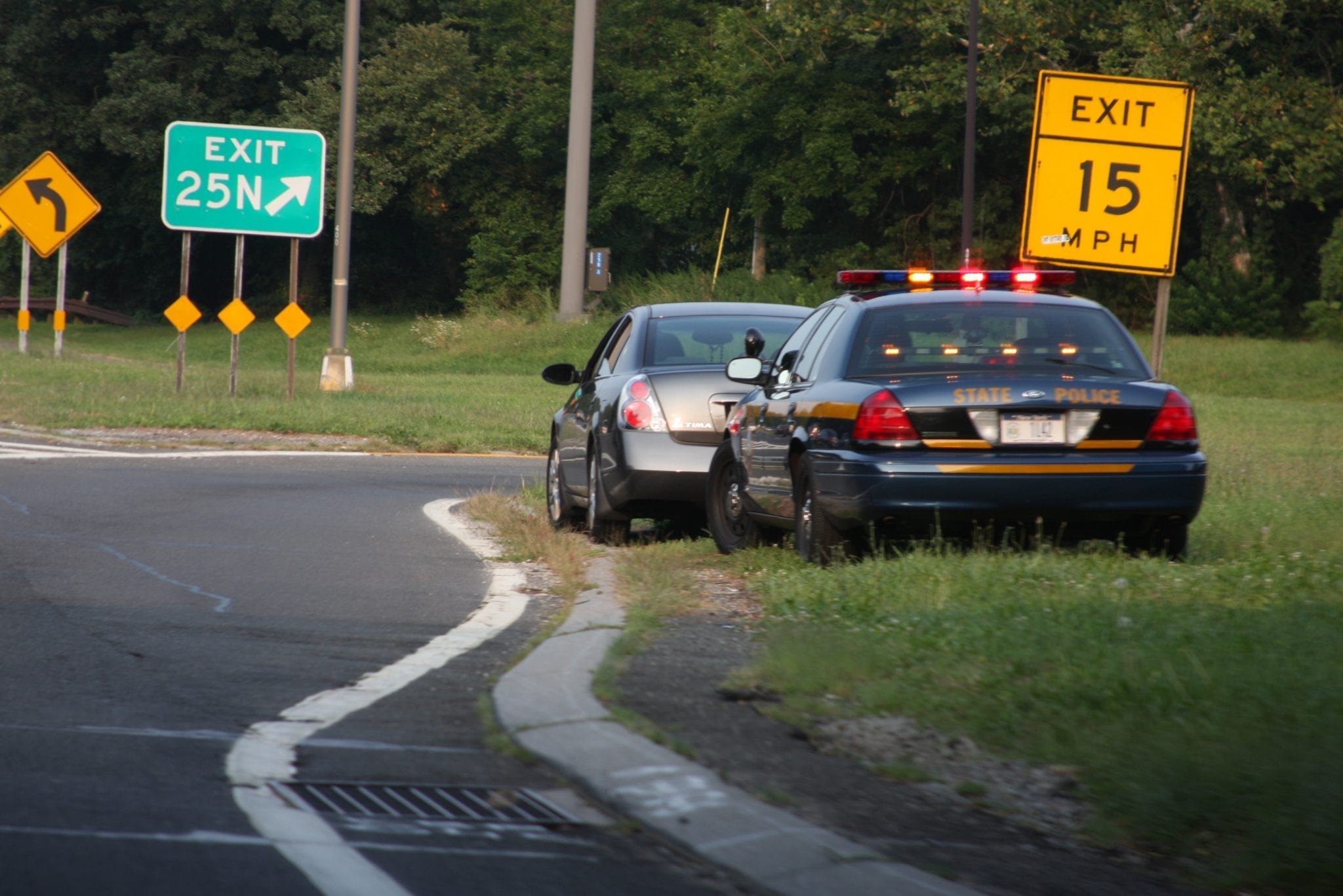
Even if the flashing lights from a police vehicle frighten you, compose yourself and park properly. Never make the mistake of stopping in the middle of the road, as this creates a security risk that can lead to the issuance of a traffic ticket.
Instead of parking wrongly, find a safe pull-over spot. You can use your turn signal to let the officer know that you’re finding a secure place to stop. Regardless of any factor, always prioritize a safe pull-over.
Acting Nervous or Getting Defensive
Some people feel nervous when interacting with the police. However, acting weirdly or in a jittery manner makes you seem suspicious. Police officers watch for agitation, hostility, and weird attitudes.
Don’t raise your voice, display impulsive aggression, or any other form of defensiveness that can create unnecessary tension. If your behavior is awkward or suspicious, the officers may address you with sternness and ask more questions, thereby prolonging the encounter.
Reaching for Items Before Being Asked
You might be in a hurry when law enforcers ask you to stop. In such a situation, you may want to get it over quickly. However, it would be unwise for you to attempt to fast-track the interaction by displaying your driving documents before they ask for them.
In a situation where an officer is unable to see the inside of your vehicle, they may interpret your sudden movement as an attempt to grab a weapon. If they feel threatened, they may fire a shot to protect themselves.
Talking Excessively or Admitting Fault
Some drivers think that being agreeable can make an officer become more understanding. People who make this false assumption over-explain their wrongs and end up saying things that implicate them.
Even if you get stopped for driving distractedly or under the influence, don’t admit your guilt. Answer only the basic lawful questions and refrain from saying more than is necessary. When faced with a charge, don’t hesitate to get a reckless driving lawyer or a specialized attorney who can help you negotiate a lesser penalty.
Not Recording or Documenting the Stop
One of your rights during a traffic stop is that you can record the interaction. Your recording can serve as evidence if an officer treats you improperly. Without video evidence, it’ll be difficult to convince the court and other officials that an officer acted unlawfully. However, avoid interfering or disobeying the officer’s instructions as doing so can create legal complications.
Leaving Abruptly
Sometimes, people assume the search is over and drive off after getting their papers. Leaving without a proper discharge can lead to an accident as the officer tries to stop you from fleeing. Always confirm if you’re free to go before driving away.
Endnote
Your reaction at a traffic stop greatly influences the outcome. Actions like parking wrongly, displaying nervousness or defensiveness, or moving suddenly can create tension, so refrain from them. Also, avoid admitting fault, failing to record the interaction, or leaving abruptly, as these mistakes may escalate the situation.
Join the conversation!