

Study links packaged food intake to higher precancerous polyp rates.
A series of New York prison deaths has raised hard questions about how people behind bars are treated when they fall ill, and how often serious warning signs go unanswered. The pattern involves men who showed clear signs of distress but never received the type of medical care that experts say would have likely saved them. One case that continues to haunt family members involves Jason “Poppy” Phillips, who spent his final hours trapped in a cell, fighting for breath while help stood only feet away.
Phillips had spoken with his wife earlier that evening, telling her he felt a growing tightness in his throat and chest. Alarmed by the sound of his voice, his wife called the prison but reached no one. His cousin, a nurse, tried as well and finally reached an officer by using the emergency prompt. That officer relayed the message, and two nurses went to Phillips’ cell minutes later. Through the small window, they told him to say “ahh,” shined a penlight for a few seconds, and left. No further checks on his lungs, breathing, or ability to swallow were done. The cell door stayed locked.
Hours passed. His cellmate later said the struggle grew worse as the night wore on. Phillips’ voice weakened, and he began to panic. At one point he wrote a phone number down, asking that his family be told he loved them. By the time his cellmate began kicking the door and shouting for help, Phillips could barely stand. Over the next half hour, the cellmate called out dozens of times, saying Phillips could not breathe.
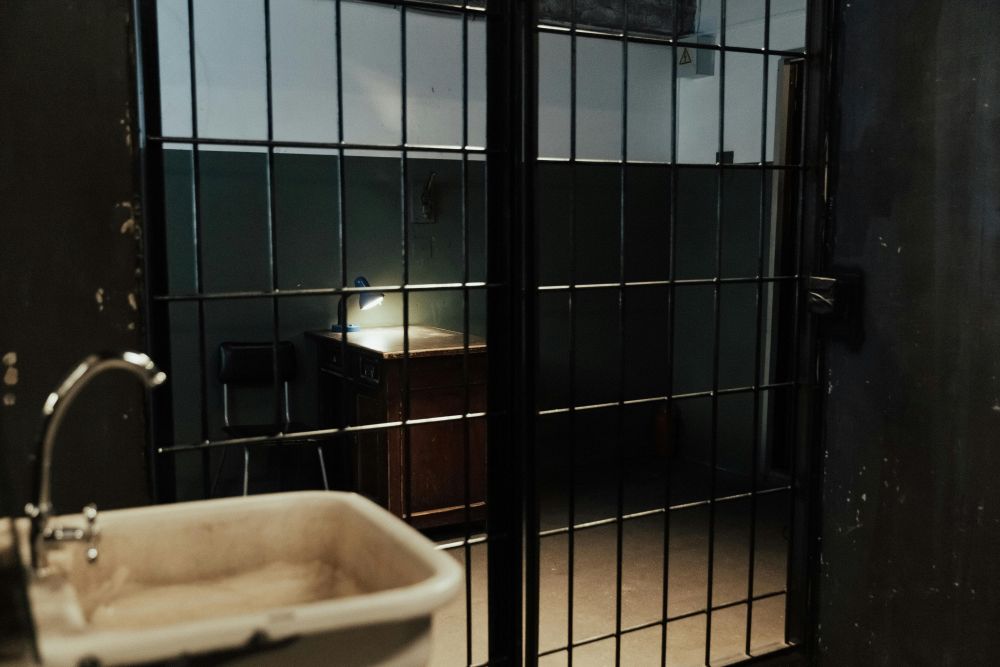
Officers eventually came to the door and radioed for help, but the nurses who returned dismissed the situation again. One insisted he was fine and told others to stop “playing games,” despite the fact that the man on the floor was no longer speaking. The cell door stayed closed yet again. By the time staff entered the cell around midnight, Phillips had no pulse. Emergency workers arrived later and attempted to clear his airway but could not. He was pronounced dead at age 38.
Tis New York prison death case is not isolated. Over the past decade, more than 30 incarcerated people in New York have died from conditions that medical experts describe as treatable or avoidable. Reports from the state’s oversight commission show repeated patterns: untreated infections, ignored breathing problems, missed signs of blocked intestines, and nurses or guards who assumed symptoms were exaggerated or fake. In several cases, cellmates tried desperately to get attention, pounding on windows or buzzing call buttons while staff either dismissed the concerns or failed to respond.
Experts who have reviewed the New York prison deaths say the problem shows up in the attitude some staff have toward the people in their care. Records show comments and decisions based on assumptions that those asking for help were lying, seeking attention, or trying to get out of their cells. That pattern, medical specialists note, can lead to dangerous delays, especially when someone is facing a rapidly developing condition that can turn deadly in hours.
Families say the lack of answers deepens their grief. Reports about these deaths often take years to be released and are heavily redacted, making it necessary for relatives to file lawsuits just to know what happened. In Phillips’ case, video recordings later revealed the gap between what staff wrote in medical notes and what actually occurred during those final hours.
For many families, the hardest part is imagining what their loved ones experienced in a locked cell while unable to breathe, with people watching through the window but not opening the door. Those closest to Phillips say that thought is what keeps them fighting for accountability.
Sources:
In NY prisons, lack of medical care led to preventable deaths
Join the conversation!