

Head injuries may damage brain drainage and raise later Alzheimer’s risk.
Researchers at the University of Virginia have found new details about how a head injury can raise the chance of developing Alzheimer’s disease later in life. The work explains changes that happen in the brain after even a mild traumatic brain injury and points to a possible way to lower long-term harm. Traumatic brain injury, often called TBI, can occur from falls, car crashes, sports hits, or other blows to the head. Many people recover and feel fine afterward, yet years later some develop memory loss or other brain problems. Until now, the reason for this link has not been clear.
The research shows that a mild head injury can disrupt the brain’s natural cleaning system. The brain depends on small vessels that help drain waste and carry it away through the immune system. These vessels sit in the thin layers that protect the brain, known as the meninges. Scientists once believed these vessels did not exist, but they were discovered about a decade ago and are now known to help keep the brain healthy. When these drainage pathways do not work well, waste can build up and damage brain cells over time.
In the study, scientists observed that a single mild brain injury in lab mice caused lasting harm to this drainage system. After the injury, harmful proteins linked to Alzheimer’s disease began to collect in the brain. One of these proteins, called tau, formed tangles that spread beyond the spot where the injury occurred. These tangles are known to interfere with how brain cells send signals and survive. The mice also showed signs of overall brain decline, even though the brain injury itself was not severe.
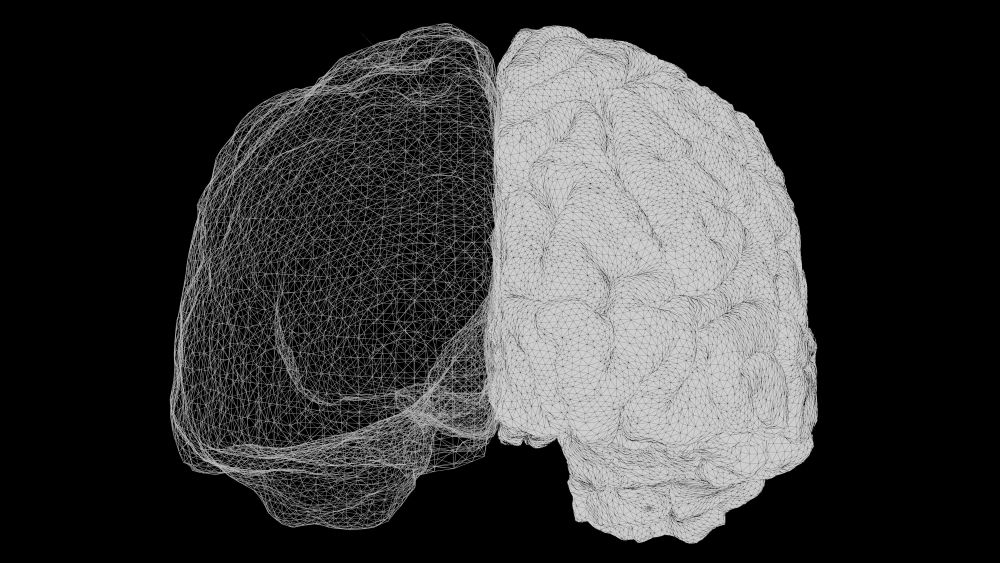
The injury also changed how certain immune cells behaved. These cells, called macrophages, normally help protect the brain by clearing debris and responding to threats. After a head injury, their activity shifted in ways that made the brain environment less stable. This added to the damage caused by poor drainage and protein buildup.
A key part of the research focused on whether these changes could be stopped. The scientists found that acting soon after injury made a difference. Within one day of the head injury, they delivered a repair substance directly to the brain’s protective layers. This substance, known as VEGFC, helps support the growth and repair of drainage vessels. To deliver it, the team used a harmless virus shell that carried the substance to the right place without causing illness.
The results were promising. Mice that received this treatment showed healthier drainage vessels and far less buildup of harmful tau protein. Their brains were better protected from the changes usually linked to Alzheimer’s disease. While this approach has only been tested in animals, it suggests that early treatment after a head injury could lower the risk of later brain disease.
The findings matter because traumatic brain injury is common, and there are very few treatments that address long-term effects. Many people who experience concussions or other mild injuries are told to rest and monitor symptoms, but no therapies exist to protect the brain years down the line. This research offers a new direction by focusing on the brain’s waste removal system rather than only on the injury site itself.
The scientists also note that Alzheimer’s disease is not the only concern. Head injuries have been linked to other brain disorders such as Parkinson’s disease, ALS, and chronic traumatic encephalopathy, often seen in athletes and military veterans. If restoring brain drainage helps prevent one condition, it may also reduce the risk of others. Future studies will need to explore this idea further.
Although much work remains before any treatment could be used in people, the study adds an important piece to the puzzle of how brain injuries affect long-term health. By showing that damage to the brain’s cleaning system plays a role, the research opens the door to new ways of protecting the brain after injury and supporting healthier aging for those who have experienced head trauma.
Sources:
Traumatic brain injury disrupts brain drainage and accelerates Alzheimer’s risk
Join the conversation!