
Court sentence highlights illegal reptile trade and federal wildlife enforcement efforts.
A federal court in New York has sentenced a Brooklyn man to prison after a large wildlife trafficking case involving turtles, snakes, and lizards sent overseas. The reptile trafficking case focused on Wei Qiang Lin, a Chinese national living in the United States, who was found guilty of shipping live reptiles while hiding their true contents from authorities. The judge ordered a two-year prison term and a fine of 2,339 dollars, which matched the cash found on him at the time of arrest.
Court records showed that from August 2023 through November 2024, Lin mailed hundreds of boxes from the United States to Hong Kong. The parcels were marked as harmless items like plastic toys, but inside were live animals packed in unsafe ways. Investigators estimated about 222 packages were sent, holding close to 850 turtles. The turtles alone were worth about 1.4 million dollars on the illegal market.
During inspections at shipping centers, officers found turtles bound tightly and taped inside socks that were knotted shut. Many animals were stressed and at risk due to lack of air, food, and water. The shipments broke federal wildlife laws meant to protect animals from harm and stop illegal trade across borders.
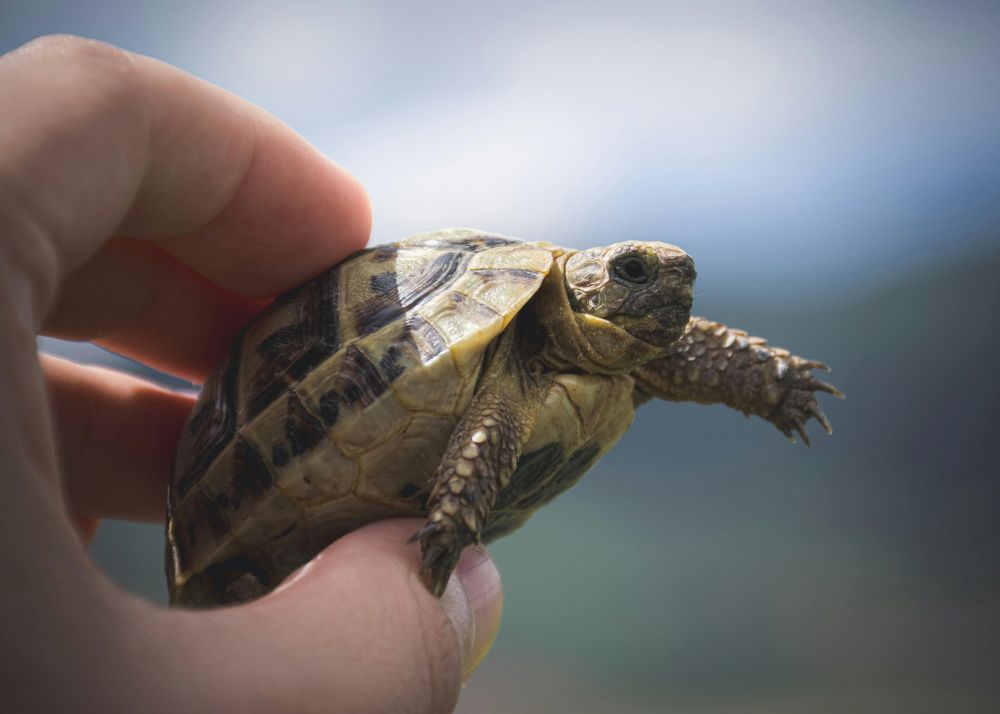
The investigation also found that Lin tried to send protected lizards and venomous snakes, including green tree vipers and palm pit vipers. These species are listed under international rules that limit trade to protect wildlife at risk of disappearing. Officers also stopped shipments that contained rare Cora mud turtles, a species with very small numbers left in the wild.
Instead of being returned to traffickers, the seized Cora mud turtles were placed with experts at the Buffalo Zoo. There, staff created the first safety breeding group for the species. This group may help rebuild wild populations in the future if numbers drop too low.
The reptile trafficking case was part of a wider effort by the U.S. Fish and Wildlife Service called Operation Terrapene. This ongoing effort works to find turtle smugglers and break up organized groups that profit from illegal wildlife sales. Several federal agencies worked together, including Customs and Border Protection, the Postal Inspection Service, and Homeland Security Investigations.
Prosecutors said cases like this show how wildlife trafficking often mirrors other forms of organized crime. Animals are treated as cargo, and profits are placed above animal welfare and environmental balance. Illegal trade can also spread disease and harm local ecosystems when animals are removed or moved across regions.
Federal officials said strong penalties are needed to slow the demand for rare wildlife and protect species facing pressure from collectors and smugglers. The sentence sends a message that falsely labeling shipments and abusing animals for profit carries serious consequences under United States law. Officials also noted that public awareness plays a role in stopping illegal trade. Tips from workers, careful inspections, and shared data between agencies help spot risky shipments early. These steps, combined with enforcement, are intended to protect wildlife and uphold laws meant to guard natural resources for future generations.
Sources:
Office of Public Affairs | Chinese National Sentenced to Prison for Trafficking Reptiles
Chinese national Wei Qiang Lin pleads guilty to smuggling turtles
Join the conversation!