
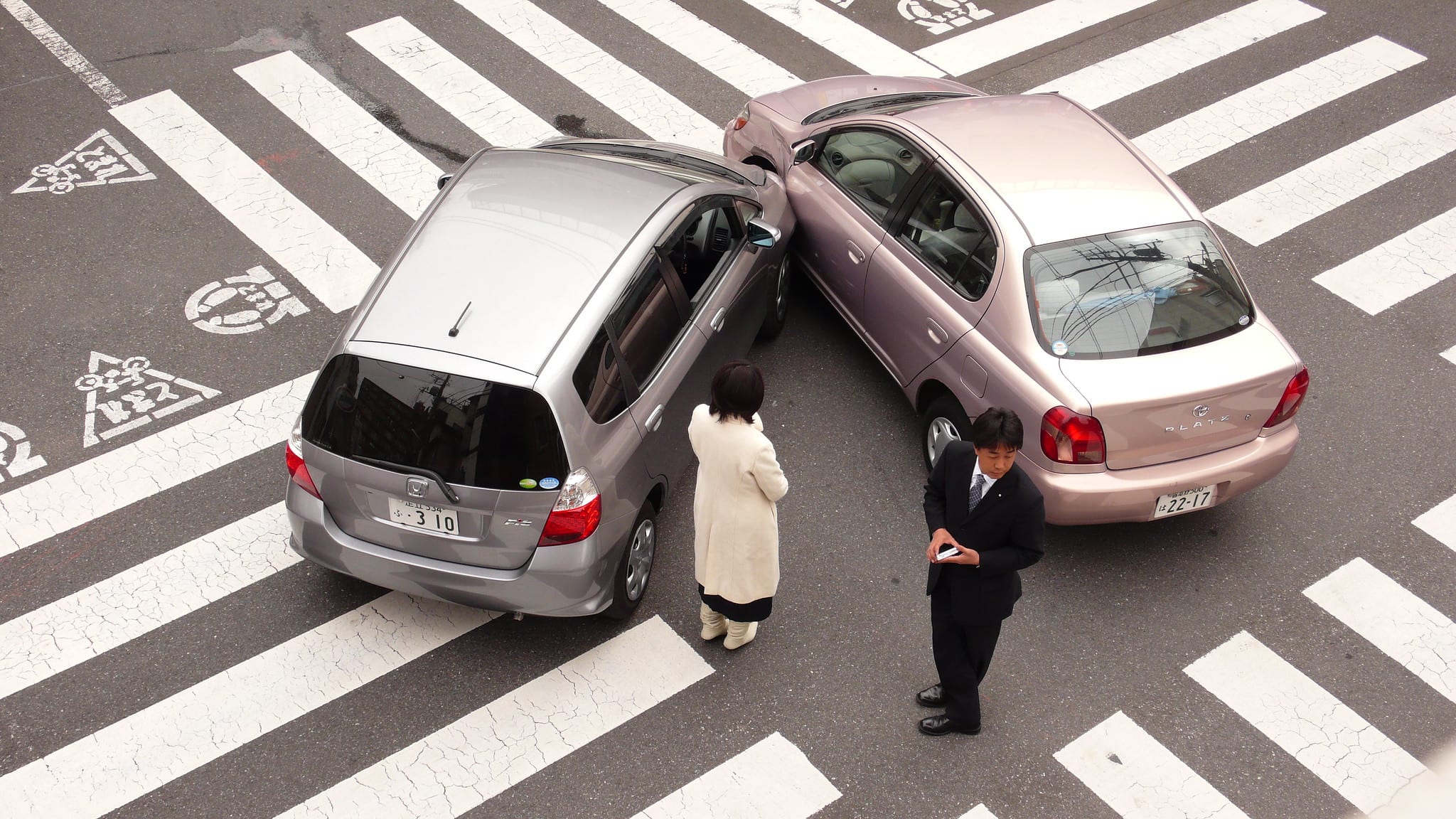
Making safe left turns is all about being prepared, aware, and in control.
While they don’t seem like it, left turns are pretty dangerous, making them one of the leading causes of intersection collisions in California. They require drivers to watch several directions at once, judge space and speed, and, more often than not, make unsafe turns.
In this article, we help you learn the essentials that help make every left turn safer, showing you common mistakes drivers make during left turns and how to avoid them. If you have been in a collision, we will show you how to find out who is at fault in a left turn accident, and when you should contact a lawyer to understand your rights and options.
Identifying the Ideal Turning Point
Being able to identify when it would be best to make a left turn is essential when driving. This helps keep you and other drivers, as well as possible pedestrians, safer on the road. Here are some important tips to keep in mind while driving:
Choose the Correct Lane
When making a left turn, make sure you are in the correct lane. You should be in the leftmost available lane, or, if there is a dedicated left-turn lane, enter it as early as you can and stay centered.
Signal Early
According to California law, drivers are required to signal at least 100 feet before turning. Doing it earlier is highly recommended, as it helps everyone else on the road anticipate your turn, making it safer.
Position Yourself Correctly
Positioning your car correctly will also help keep you and the other drivers safe in the intersection. Pull forward into the intersection far enough to see oncoming traffic clearly. Keep your front wheels pointed straight; that way, if you are rear-ended, it won’t push you into the direct line of traffic.
Checking for Oncoming Traffic and Pedestrians
Checking for oncoming traffic and pedestrians crossing the road is essential when making a left turn. Here are some important things to do when making a turn.
Scan in a Predictable Pattern
Best way to scan the area when making a left turn is:
- Look left
- Look straight
- Look right
- Look back to oncoming traffic
Repeat as needed until the turn is fully clear. This ensures there are no surprise cars or pedestrians are in dangerous proximity before making the left turn.
Yield to Oncoming Traffic
In California, the oncoming traffic has right of way. You can only turn once it is safe to do so. If you turn before it is safe to and cause a collision, you will be at fault for the collision, as you are supposed to yield to traffic.
Watch for People in Crosswalks
Pedestrians always have the right-of-way when lawfully crossing a road in California. Also check for cyclists in bike lanes or when crossing, as they also have right-of-way and are often overlooked and do create collisions in the intersection.
Executing a Smooth and Controlled Turn
Lastly, driving your vehicle safely is always important when making left turns. Here are some tips to ensure you have control over your vehicle during a left turn.
Control Your Speed
When making your turn, slow down before making the turn, not during it. Suddenly braking while turning makes the vehicle less stable, and can cause a rear end when there are cars behind you.
Steer Smoothly
When making your turn, follow a predictable arc, staying in your lane through the whole turn. Cutting corners or swinging wide can make the vehicle less stable and confuse other drivers and cause collisions.
Complete the Turn into the Correct Lane
California law requires that drivers turn into the lane “closest and safest” to you. This is usually the leftmost lane in your direction, unless there are signs on the road saying otherwise.
Common Mistakes Drivers Make on Left Turns
Many drivers underestimate oncoming traffic, turn too sharply, or rush through a yellow light. Others focus too much on one direction and forget to check for pedestrians, cyclists, or approaching vehicles in the far lane. Some drivers begin turning their wheels before they have the right of way, which puts them at risk if they are hit from behind. Knowing these common problems makes them easier to avoid.
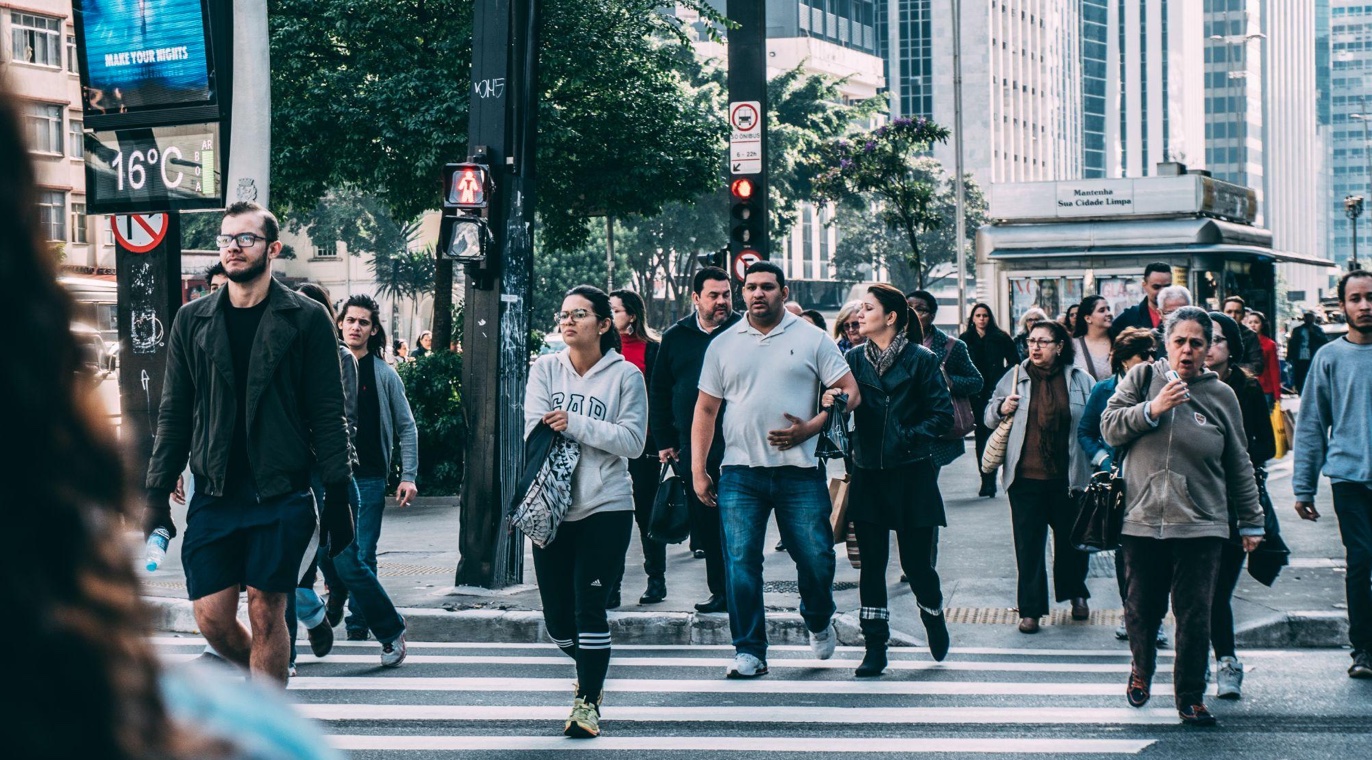
Common issues include:
- Misjudging the speed or distance of oncoming cars
- Starting the turn too early or cutting the corner
- Accelerating to beat a yellow light
- Failing to look for pedestrians in the crosswalk
- Overlooking cyclists traveling straight through the intersection
- Focusing on one direction instead of scanning the whole intersection
- Turning the wheels before it is safe to move
What Evidence Helps in Determining Fault in a Left-Turn Car Accident?
When a crash occurs during a left turn, investigators focus on evidence that shows who had the right of way and how the turn was made. Photos of the vehicles, the intersection, and the surrounding area can help recreate the collision and provide important details. Witness statements may explain what each driver was doing before and during the accident. Police reports often include diagrams, driver statements, and officer observations. Additionally, camera footage from dash cams, traffic signals, or nearby businesses can be extremely helpful in understanding what happened.
Useful forms of evidence include:
- Photos of vehicle damage and the layout of the intersection
- Dash cam recordings from the involved vehicles
- Traffic or surveillance camera footage from nearby locations
- Police reports, including diagrams and officer observations
- Statements from witnesses who saw the crash
- Skid marks, debris, or other roadway markings that show the movement of the vehicles
- Traffic signs or signals that clarify right-of-way
California uses a comparative fault system, meaning more than one person can be found responsible for the collision. Because of this, having clear and solid evidence is crucial in determining how liability should be assigned after a left-turn accident.
Understand Your Rights by Consulting a Left-Turn Accident Attorney in Modesto, CA
If you’ve been involved in a left-turn collision, talking to a skilled left-turn accident attorney in Modesto, CA can help you feel more confident about your next steps. A knowledgeable attorney will explain how California’s right-of-way laws apply to your situation, review your evidence, and pinpoint any extra information needed to support your claim. They’ll also handle communication with insurance companies, who often try to shift blame to reduce their payout.
An experienced attorney can protect you from making mistakes that could hurt your claim or delay your recovery. Even a short consultation can give you clarity, answer your questions, and help you understand your options moving forward.
Left turns can be risky. They require precise timing, awareness, and good judgment. If a collision happens, having strong evidence and a clear understanding of your legal rights is crucial. Speaking with a dedicated attorney ensures that your claim is protected and helps you avoid common mistakes that could impact your recovery.
Making safe left turns is all about being prepared, aware, and in control. Understanding the most common hazards can help you avoid them, and knowing what evidence matters can make a huge difference if you’re in an accident. If you’ve been injured in a left-turn crash in California, consulting an attorney can offer valuable guidance and help you move forward with confidence.
Join the conversation!