
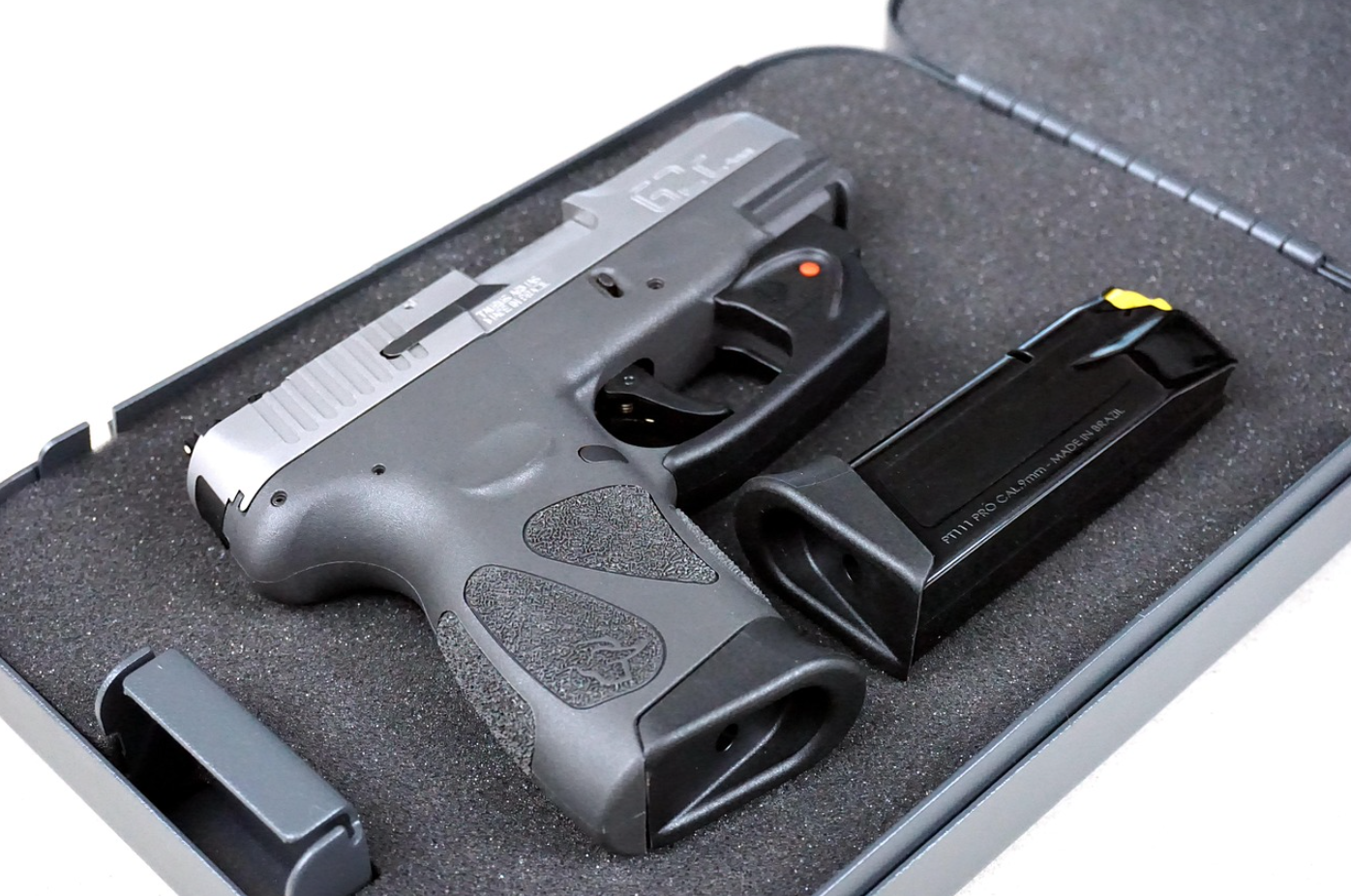
Inherited firearm collections rarely cause legal trouble intentionally. Most issues stem from misunderstanding or lack of information.
Inheriting personal belongings after a loved one passes often feels straightforward. Furniture, artwork, and family heirlooms usually come with emotional decisions, but few legal surprises. Firearms, however, are different, and many families underestimate the responsibilities that come with them.
Unlike most household property, guns are regulated assets that must be properly identified and valued during probate. Executors are legally responsible for determining the estate’s total worth, and that often means researching gun prices online to ensure accurate tax reporting and fair distribution among heirs. Overlooking this step can quietly create financial and legal problems later.
What Executors Often Overlook About Firearms in Estates
Firearms are frequently treated as personal items rather than regulated property. This section explains why that assumption can put executors at risk and why firearms deserve special attention during estate administration.
An executor has a fiduciary duty to act in the best interest of the estate and its beneficiaries. That duty includes identifying all firearms, documenting them properly, and ensuring they are handled according to the law. Ignoring these steps can expose the executor to personal liability.
Determining Fair Market Value Isn’t Optional
Every estate must report the value of its assets accurately. Firearms can range from inexpensive hunting rifles to rare collector pieces worth thousands of dollars, and values vary based on condition and market demand.
Using rough estimates or sentimental values is not enough. Proper valuation supports tax filings and helps prevent disputes among heirs who may feel assets were unfairly divided.
Ownership vs. Possession — A Legal Distinction That Matters
Many legal issues arise from confusion between owning a firearm and physically possessing it. This section explains why the distinction matters and how mistakes commonly occur.
Ownership refers to who legally inherits the firearm. Possession refers to who physically controls it, and the law often regulates possession more strictly than ownership.
Interstate Transfers and Federal Law
Federal law governs how firearms are transferred across state lines. If an heir lives in a different state than the deceased, the firearm usually must be transferred through a federally licensed firearms dealer.
Allowing an heir to simply take the firearm home can violate federal law. Executors should confirm transfer requirements before any interstate movement occurs.
State Laws Can Change the Rules Overnight
State firearm laws vary widely and can dramatically affect inherited guns. This section highlights why location matters just as much as ownership.
A firearm that was legal where the deceased lived may be restricted or prohibited in another state. Heirs may unknowingly inherit legal obligations simply by residing elsewhere.
Common State-Level Traps
States regulate firearms differently, and these differences often create unexpected risks:
- Registration requirements:
Some states require newly inherited firearms to be registered within a specific time frame. Missing that deadline can result in penalties or confiscation. - Magazine limits:
High-capacity magazines may be illegal in certain states. Inheriting a firearm with prohibited magazines can create immediate compliance issues. - Assault weapon definitions:
What qualifies as an assault weapon varies by state. A firearm that appears ordinary may be restricted under local law. - Waiting periods or permitsSome states require permits or waiting periods before an heir can legally possess a firearm. Executors should verify these requirements before transfer.
Storage, Transportation, and Temporary Custody Risks
Legal responsibility does not pause during probate. This section focuses on risks that arise while firearms are temporarily held or moved.
Executors may be responsible for safely storing firearms until distribution. Improper storage can create liability if a firearm is accessed by someone who should not have it.
Transportation also carries legal obligations. Moving firearms without proper locking, documentation, or compliance with state laws can result in violations, even if the move is temporary.
Emotional Value vs. Legal Reality
Inherited firearms often carry deep emotional meaning. This section explores how sentiment can complicate otherwise practical decisions.
Heirs may view firearms as family history or personal connections to the deceased. While those feelings are understandable, they do not override legal requirements.

Rushed decisions based on emotion can lead to improper possession or unlawful transfers. Separating remembrance from compliance helps families protect themselves legally.
Practical Steps Executors and Heirs Can Take
Most firearm-related estate problems are preventable. This section outlines practical steps that reduce confusion and legal exposure.
Careful planning, documentation, and verification early in the process can save time and prevent costly mistakes later.
Key Actions to Consider
Executors and heirs should approach inherited firearms methodically:
- Create a detailed inventoryList each firearm’s make, model, and serial number. This record supports valuation, transfer, and compliance efforts.
- Verify legality before transferConfirm that each firearm is legal in the heir’s state of residence. This prevents accidental possession of restricted weapons.
- Document valuations clearlyMaintain records showing how firearm values were determined. Clear documentation protects executors if questions arise.
- Use licensed professionals when neededLicensed dealers can handle transfers and provide guidance. Their involvement often simplifies complex legal requirements.
When to Get Legal or Expert Help
Some estates require professional assistance. Situations involving multiple states, rare firearms, or unclear ownership histories often benefit from expert review.
An estate attorney familiar with firearm law or a knowledgeable dealer can identify risks early. Their guidance can reduce stress and prevent costly errors.
Quiet Risks, Preventable Problems
Inherited firearm collections rarely cause legal trouble intentionally. Most issues stem from misunderstanding or lack of information. When executors and heirs recognize that guns are regulated assets, they can take responsible steps to manage them properly.
By addressing valuation, transfer rules, and state laws early, families can avoid disputes and legal exposure. Awareness and preparation turn quiet risks into manageable responsibilities.
In addition, it is worth remembering that firearm laws continue to evolve, sometimes quickly and with little public attention. What was lawful at the time of inheritance may change due to new state regulations, court decisions, or administrative rules. Executors and heirs who treat inherited firearms as “settled” matters may be surprised later by new compliance obligations. Keeping basic records, such as inventories, transfer documents, and valuation notes, provides a safeguard if questions arise years down the road. It also helps heirs demonstrate good faith efforts to follow the law, which can matter if mistakes are discovered.
For families, these steps are not about fear or overreaction; they are about clarity and responsibility. Inherited firearms can be respected as personal or historical items while still being handled carefully within the legal system. When families take a little extra time to understand their obligations, they reduce stress, avoid unnecessary disputes, and protect both personal relationships and financial interests. Quiet diligence today can prevent loud legal problems tomorrow.
Join the conversation!