
Lawsuit highlights growing clash over copied weight loss drugs and regulation.
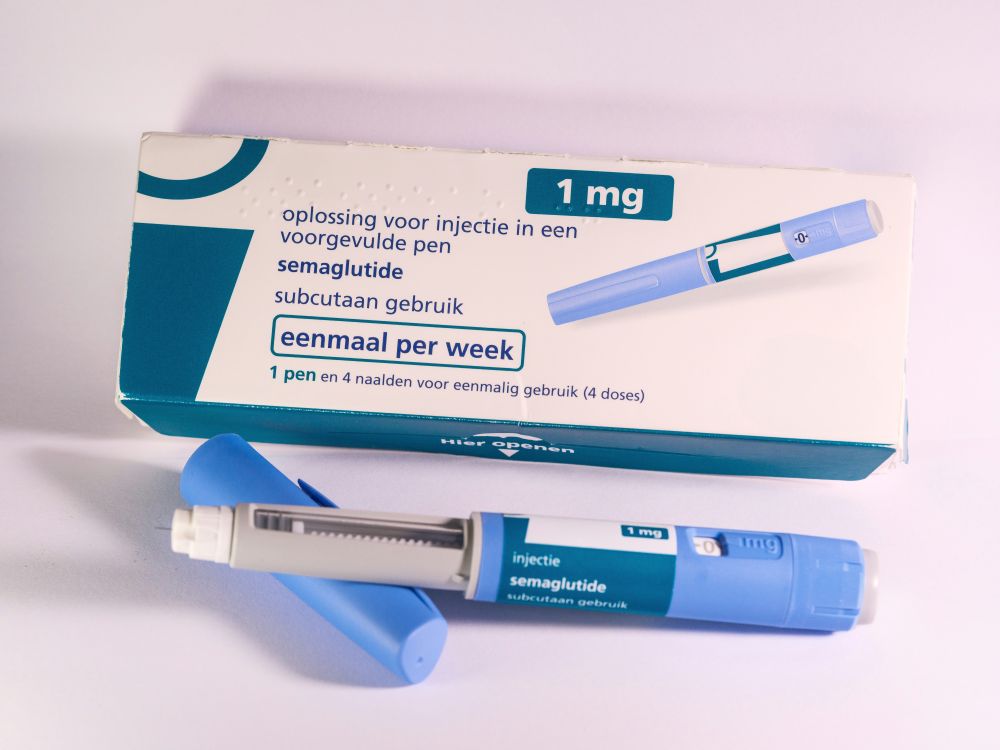
Novo Nordisk filed a lawsuit against U.S. telehealth company Hims and Hers Health after the company briefly introduced a low-cost version of Novo’s weight loss drug Wegovy, then pulled it from the market days later. The legal fight follows swift action by U.S. regulators and has renewed debate over copied weight loss drugs sold through compounding pharmacies.
The dispute centers on a $49 pill offered by Hims that used semaglutide, the same active ingredient found in Wegovy and Ozempic. Novo Nordisk argues that the pill violated its patents and crossed legal lines meant to protect approved drugs. Hims launched the product and then canceled it after U.S. authorities signaled that the pill should not have been sold.
The market reacted quickly. Novo Nordisk shares climbed about five percent following the news of the lawsuit, while Hims shares dropped sharply, falling roughly twenty percent. Investors had worried that cheaper copies could eat into sales of brand-name weight loss drugs, especially as drugmakers push toward direct consumer sales and cash-pay options.
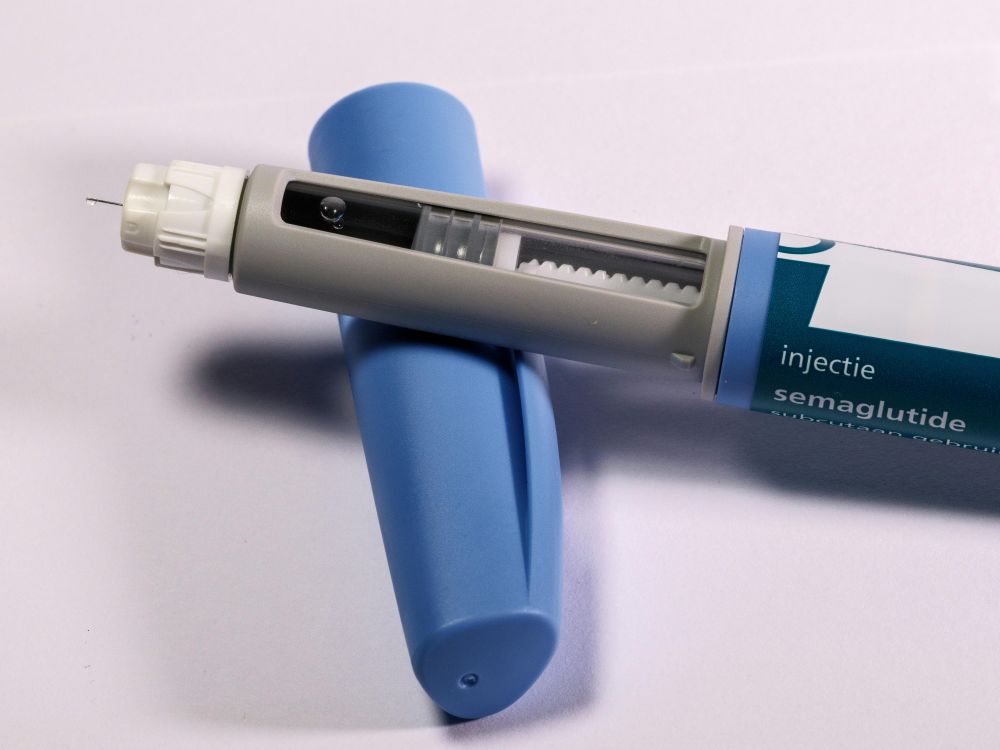
Novo Nordisk said the case covers both pill and injectable forms of its weight loss treatments. The company has asked the court to block Hims from selling any unapproved drugs that use its patented technology and is also seeking financial damages. Novo’s legal team said the move was needed to protect patient safety and defend innovation.
Hims pushed back strongly, calling the lawsuit an attack on access to care. The company said compounded medications play a role for patients who cannot afford brand-name drugs or who need different dosing. It accused large drug companies of using the court system to limit choice and protect profits.
Legal experts say the case may have effects beyond just these two companies. Compounded versions of GLP-1 drugs, the class that includes semaglutide, have grown rapidly in the United States. These products became widely available during shortages of branded drugs. Even after those shortages eased, many compounders continued selling alternatives by adjusting doses or formats.
U.S. law allows compounding pharmacies to mix custom medications for patients when approved drugs are unavailable or unsuitable. However, regulators have become more concerned as demand for weight loss drugs has surged. The Food and Drug Administration said recently it would tighten limits on the ingredients used in compounded GLP-1 drugs, signaling a tougher stance.
Analysts believe the lawsuit and the FDA’s quick response could slow the growth of copied weight loss drugs. Some say it sends a message to telehealth firms and compounders that pills closely matching approved products may not be tolerated. Others warn that stricter enforcement could leave patients with fewer affordable options.
Novo Nordisk has taken legal action before, but this case marks a shift. Past lawsuits focused on branding and safety claims tied to fake or misleading products. This is the company’s first U.S. patent lawsuit aimed directly at a compounder over semaglutide. Intellectual property lawyers say the goal may be to discourage similar offerings across the market.
The case also comes at a difficult time for Novo Nordisk. The company’s market value has fallen sharply over the past year as competition grows and pricing pressure increases. Shares dropped steeply last week after Novo warned investors about lower margins in the U.S. market. Despite being an early leader in obesity treatment, the company now faces stronger rivals.
Eli Lilly, Novo’s main competitor, is expected to gain approval soon for its own oral weight loss drug. That development could further reshape the market and add pressure on prices. Both companies have also reached pricing agreements with the U.S. government, and their drugs feature prominently on a new discounted drug website backed by the Trump administration.
While Hims has stopped offering the semaglutide pill, injectable versions remain listed on its platform. The company has not said whether those products will also be pulled. As regulators, courts, and drugmakers continue to clash, the outcome could shape how weight loss drugs are sold in the United States for years to come.
Sources:
Novo Nordisk sues Hims after $49 weight-loss pill sparks FDA backlash
Wegovy maker sues Hims & Hers after company launches $49 weight-loss pill
Join the conversation!