

The commitment needed to advocate for the 9/11 community is not just professional. It is personal, requiring lawyers to stay engaged long after the headlines fade.
September 11, 2001, will always be remembered as a day when thousands of innocent people lost their lives in a senseless terrorist attack. But for hundreds of thousands more, the impact of that day didn’t end on 9/11. When the infamous day came to a close, those who had been in the vicinity of Ground Zero and survived — a number estimated to be nearly 500,000 — were just beginning a journey that would prove to be long and challenging.
Legal professionals who stepped in to aid survivors and the family members of those who had died in the attacks found that serving the 9/11 community was very different from traditional legal work. Helping file the claims necessary to access the compensation available through the 9/11 Victim Compensation Fund (VCF) and the World Trade Center (WTC) Health Program was just a small part of the work that needed to be done. To effectively help survivors, lawyers needed to walk people through complex systems that weren’t designed to handle the kind of long-term human impact the 9/11 attacks caused.
The following are some of the key roles lawyers have played over the past 25 years in their efforts to protect 9/11 victim rights and ensure survivors get the compensation to which they are entitled.
Navigating the proof of presence hurdle
The collapse of the Twin Towers on 9/11 produced a cloud of toxic air that contained a host of known carcinogens. In the years that followed the collapse, it became clear that the hundreds of thousands of people who were exposed to 9/11 toxins faced a number of health challenges directly related to the exposure, including at least 69 types of cancer.
Programs such as the VCF and the WTC Health Program were established to provide aid to those victims. To gain access to that aid, however, individuals need to prove they were actually in the exposure zone.
Navigating what is known as the “proof of presence” hurdle is the first step most survivors take toward compensation. Because many survivors remain unaware for years that they are eligible for compensation, this is also commonly the most difficult step. Lawyers helping survivors often must act like investigators in order to secure proof of presence, tracking down old employment records, affidavits from coworkers, union logs, school records, photographs, and even media footage to help reconstruct where someone was more than two decades ago.
Determining how each program can help
The VCF and WTC Health Program serve different purposes, which can lead to confusion that keeps survivors from getting their full compensation. Explaining how medical certification through the WTC Health Program connects to financial compensation through the VCF, and helping people move through both systems in the right order so they do not lose time, is a big part of the role lawyers play in their advocacy for 9/11 survivors.
Helping to secure maximum financial awards
The volume of 9/11 survivor claims makes advocating for the 9/11 community feel like a herculean task. Yet every claim is personal and must be treated as such to secure the maximum financial award available. There is no single template that works for everyone.
Lawyers working with 9/11 survivors must analyze work history, medical records, income loss, and family circumstances to make sure the claim reflects the full impact of the illness or loss. The overarching goal is to make sure survivors receive what the law intended, not just what is easiest to approve.
Handling appeals
Not every claim is accepted the first time, even when handled by the most competent and experienced attorneys. When a claim is denied or undervalued, lawyers step in to challenge the decision, gather more evidence, and explain clearly why the claim deserves reconsideration.
Appeals are often the phase of the process during which the most important advocacy takes place. A denial can be demoralizing for a survivor, especially after they’ve gone through the rigorous mental and emotional work of dredging up their 9/11 experience. Lawyers who help with appeals are doing more than legal work; they are extending compassion to the 9/11 community.
Helping families file claims for loved ones who passed away
Seeking compensation for a family member who has passed away can be especially overwhelming. Not only is the process more complicated, but families often must navigate it while processing their grief.
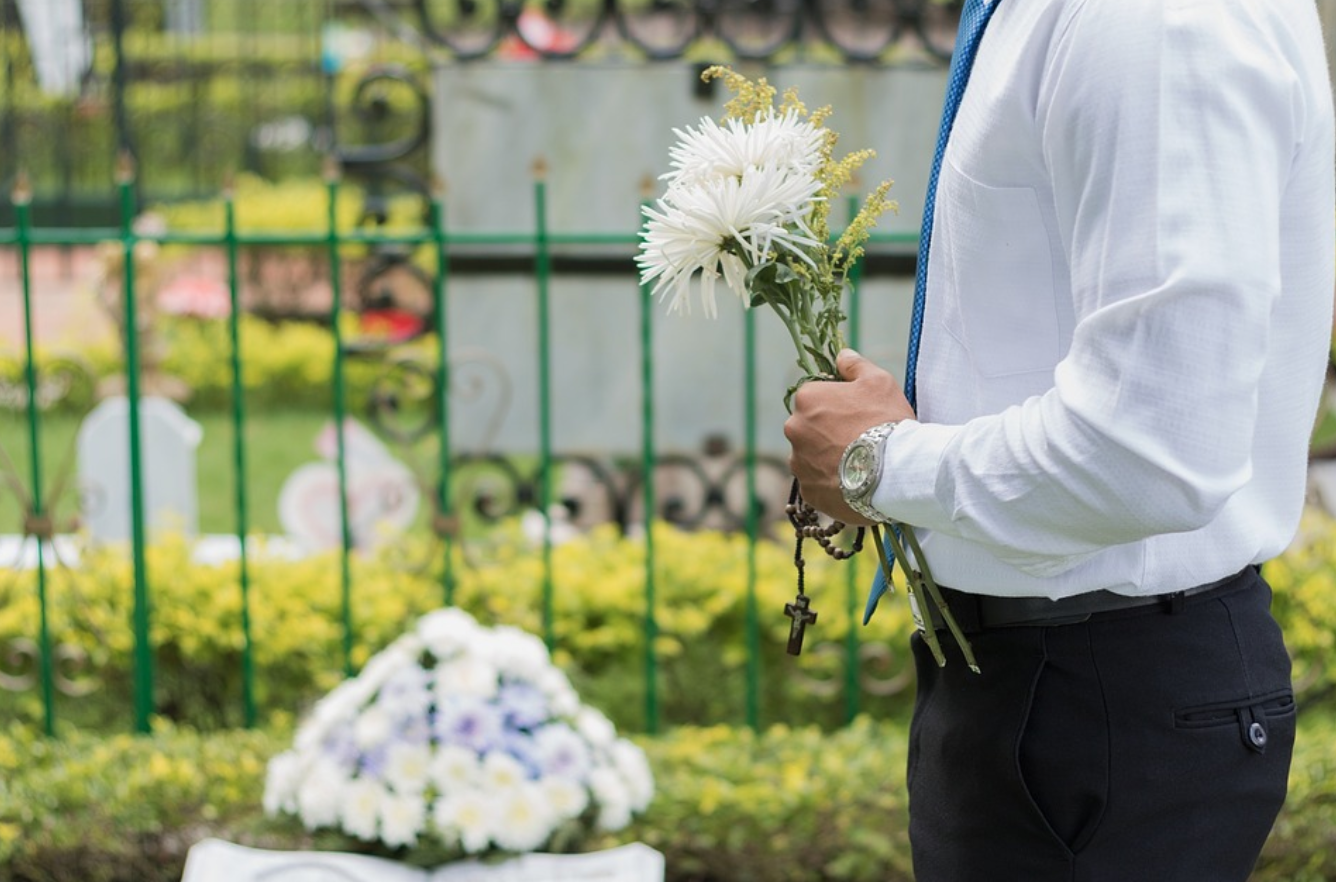
In these cases, lawyers help families establish the legal standing required to file on behalf of someone who died. They also guide them through the paperwork process, explaining the complicated rules about who can file and what proof is needed.
Lobbying for legislative support
Legal advocacy for 9/11 victims has always required engaging beyond the courtroom. Lawyers have worked alongside survivors, responders, and families to push for the laws that keep programs alive, expand eligibility, and secure long-term funding. Without the strong commitment lawyers have made to that type of work, many of the programs providing survivors with essential compensation and other care would not exist today.
The long-term commitment
The work performed by lawyers protecting the rights of 9/11 victims is not measured in hours, days, or months. It has stretched across decades and continues to require significant effort. Lawyers who stay committed to the 9/11 community build lifelong relationships with clients.
They support widows, children, and parents over generations, and see clients get sick, recover, relapse, and sometimes pass away.
The commitment needed to advocate for the 9/11 community is not just professional. It is personal, requiring lawyers to stay engaged long after the headlines fade.
Join the conversation!