

SIJS stands as a safeguard for minors who need safety, stability, and legal recognition of their circumstances. Its protections reflect a commitment to young people who cannot return to unsafe homes.
Young people facing unstable living conditions often feel powerless against circumstances beyond their control; special immigrant juvenile status offers a lifeline for those who cannot return to unsafe environments.
This classification was created to shield minors who have suffered abandonment, neglect, or mistreatment. Its purpose centers on giving vulnerable children an opportunity to build safe and stable futures.
Many young applicants arrive with little clarity about their rights, so knowing the structure of SIJS becomes the first step toward security.
The Basics of SIJS and Its Human Impact
SIJS arises from a federal law designed to support minors lacking proper care. These children often grapple with trauma, disrupted family ties, and long periods of instability. They may live with extended relatives or trusted adults because their biological parents cannot offer a safe home.
Their stories reflect difficult realities; some fled violence, while others lost contact with their families for reasons tied to hardship or conflict.
State courts have a big influence on the first stage of SIJS. A judge must determine that returning the child to one or both parents would not be in that child’s best interest. This decision rests on detailed findings that reflect the child’s history.
Once the court issues its order, the young person may apply federally for SIJS. This two-step structure protects minors through both state oversight and immigration review. The process recognizes that safety and stability often require legal recognition of a new living arrangement.
The Importance of Establishing Guardianship
Many SIJS cases involve questions about guardianship since minors need a responsible adult who can guide them through daily life. Courts examine the suitability of the caregiver, the child’s circumstances, and the level of support the minor has received.
This legal step does far more than formalize a relationship; it creates a basis the child can rely on while pursuing long-term stability.
The appointed guardian may be a relative, family friend, or another trusted adult. The court’s analysis focuses on what benefits the child. The guardian must demonstrate a willingness to take on responsibility for schooling, healthcare, and emotional support.
These decisions reflect the child’s present needs and long-term well-being. In many cases, this legal recognition gives the minor a sense of continuity that has been missing for years.
Why Parental Reunification is Not Always Possible
SIJS applies only when reunification is not viable due to abandonment, neglect, or mistreatment. These findings must be supported with detailed facts. Courts examine the minor’s history to determine whether past harm or current danger prevents safe reunification.
In some cases, one parent may be unfit while the other remains involved; in others, both parents are unable to care for the child. The analysis differs widely from case to case, since each young person’s story carries unique challenges.
These findings carry weight because they shape the minor’s long-term prospects. A child who cannot return to their parent’s care needs a pathway that offers safety and stability. SIJS recognizes that need.
Once a judge determines reunification is not in the child’s best interest, federal officials evaluate the application through the lens of the evidence presented. The process values truthfulness and clarity since officers rely heavily on the court’s factual findings.
How SIJS Differs from Asylum and Other Forms of Relief
Some young applicants arrive with memories of hardship in their home countries and assume that asylum status is their only option. The two processes differ in important ways. Asylum focuses on persecution tied to specific protected categories.
SIJS does not require proof of persecution; it requires proof of parental unfitness and the child’s need for a stable caregiver. These differences create opportunities for minors who cannot meet asylum standards but still need protection.
SIJS does not require applicants to revisit traumatic details tied to violence in the same way asylum often does. Its focus lies on family circumstances and the child’s best interest.
This makes SIJS an important avenue for minors who suffered harm at home unrelated to the protected categories recognized by asylum law. Many discover that SIJS offers a smoother path toward permanent residency, provided they meet the program’s detailed requirements.
Age Requirements and Timing
Only minors can seek SIJS, although the qualifying age depends on the state issuing the dependency or guardianship order. Some states limit these orders to individuals under eighteen; others extend the limit to twenty-one.
Timing matters because once a person reaches the upper age limit, the court can no longer issue the needed order. Applicants must act promptly so they can secure the findings before aging out of eligibility.
The federal government evaluates SIJS petitions only after the state court has completed its part. This means the young person must move through the process efficiently to retain eligibility. Those who wait too long may miss the chance to pursue SIJS, even if they meet all other requirements.
Why Legal Guidance Shapes the Outcome
SIJS demands coordination between state courts and federal agencies, which makes experienced direction important. Young applicants often rely on legal professionals since they face hurdles that would mentally consume most adults.
These professionals know how to prepare court filings, explain the child’s circumstances with accuracy, and present evidence that supports the findings required for SIJS.
Applicants feel more grounded when they know each stage of the process. The system can feel intimidating due to its timelines and documentation expectations.
Legal support helps minors, and their guardians remain organized while responding to court dates, appointments, and federal requests. This structure prevents confusion and reduces stress during a time when stability matters most.
The Path Toward Permanent Residency
SIJS often leads to an opportunity for permanent residency once the federal government approves the petition. This step gives young people the ability to remain in the country with lawful recognition of their status.
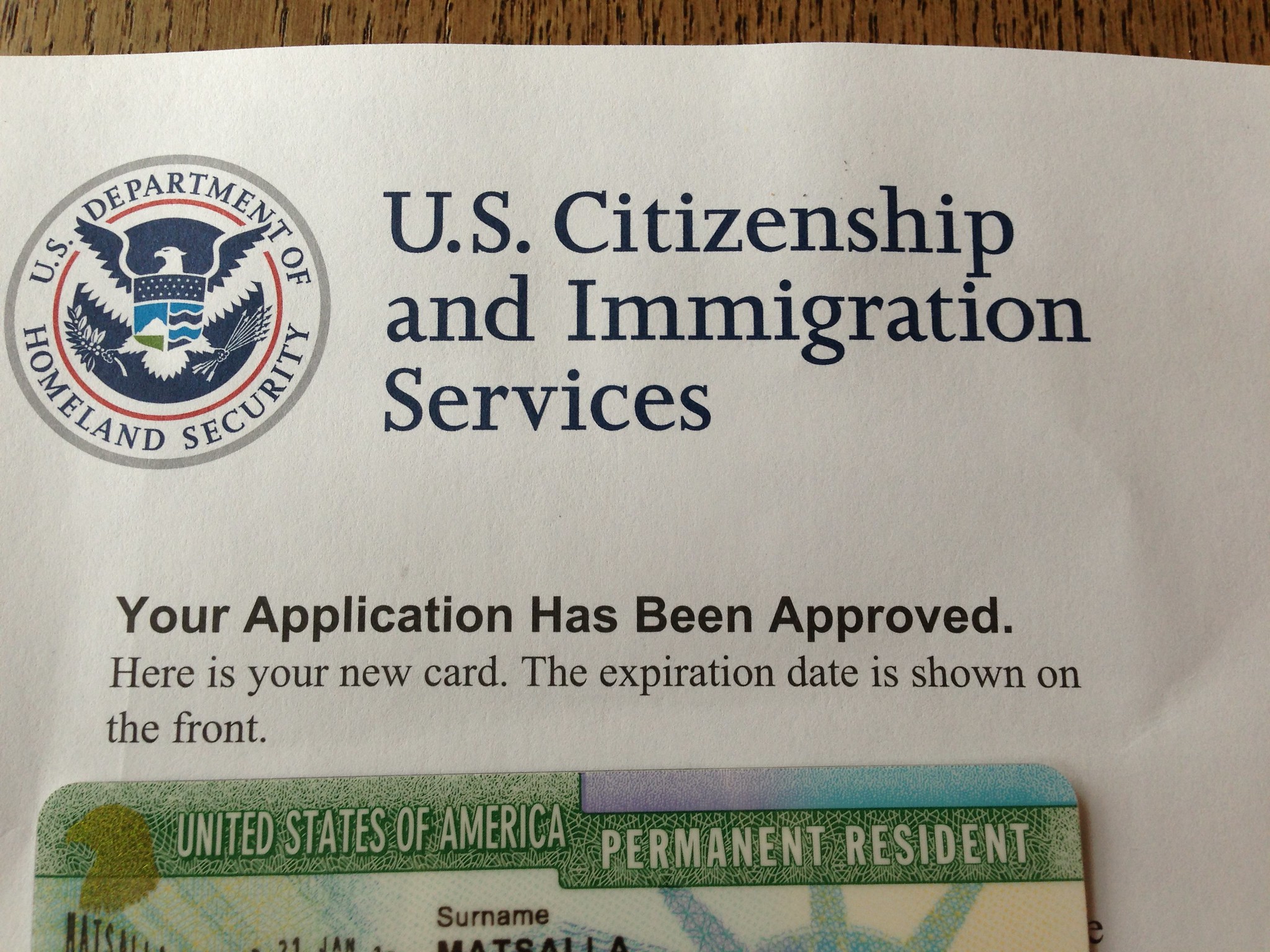
It also opens doors to education, employment, and long-term planning. Many SIJS recipients grow into adulthood with renewed optimism since they finally have the chance to build lives centered on safety and opportunity.
Some restrictions apply during the adjustment stage. The child cannot confer immigration benefits on their parents, even after obtaining permanent residency.
This rule reflects the original purpose of the program; its intent is to protect the minor, not to assist parents whose behavior contributed to the child’s need for SIJS. Realizing these limitations helps applicants plan realistically for the future.
The Lasting Impact Of SIJS
The strength of SIJS lies in its focus on protecting vulnerable children. Its structure acknowledges the unique challenges minors face when they lack dependable parental care.
The process gives them a chance to heal by placing them in supportive environments while creating a pathway to lawful stability. Over time, many SIJS recipients pursue education, community involvement, and long-term goals that once felt impossible.
SIJS as a Lifeline for At-Risk Youth
SIJS stands as a safeguard for minors who need safety, stability, and legal recognition of their circumstances. Its protections reflect a commitment to young people who cannot return to unsafe homes.
Knowing the requirements gives minors and caregivers the clarity they need to pursue a better future. With proper guidance and thoughtful preparation, SIJS becomes a powerful tool that helps vulnerable youth rebuild their lives with dignity and hope.
Join the conversation!