
Former Syrian prison commander convicted for torture and immigration fraud charges.
A federal jury in the United States has convicted a former Syrian prison official of torture and immigration fraud after hearing testimony describing years of abuse carried out against detainees during Syria’s political conflict. The verdict marks a rare case in which alleged human rights violations committed overseas were prosecuted in an American courtroom after the accused later entered the country.
Samir Ousman Alsheikh, 73, was found guilty of conspiracy to commit torture as well as multiple counts of torture connected to his leadership role at Damascus Central Prison, widely known as Adra Prison. Jurors also concluded that he lied to U.S. immigration authorities about his past actions when applying for entry into the country, obtaining a green card, and later seeking citizenship.
Prosecutors said Alsheikh served as a brigadier general overseeing the prison between 2005 and 2008 during the rule of Syrian president Bashar al-Assad. Evidence presented at trial described a system in which prisoners accused of political opposition were subjected to severe physical punishment and psychological abuse. Witnesses testified that detainees who refused to cooperate with authorities or who expressed sympathy toward other prisoners were singled out for especially harsh treatment.
According to court testimony, some prisoners were suspended from ceilings by their wrists using restraints and then beaten repeatedly while hanging in the air. Victims described enduring intense pain for extended periods, with one witness saying the experience created the sensation that limbs were being torn from the body. Survivors told jurors that such punishments were used to intimidate detainees and silence dissent.
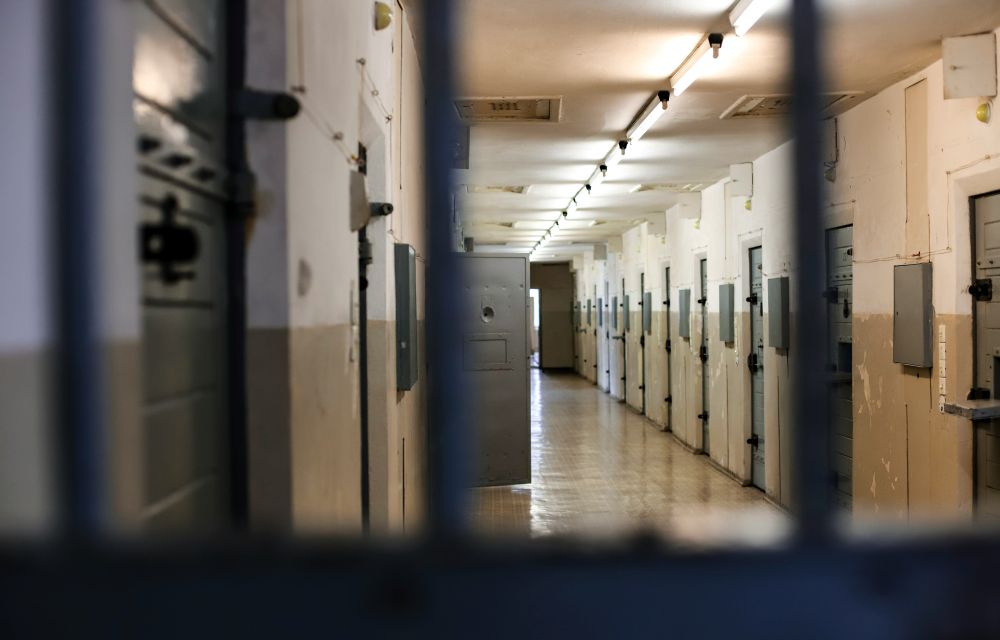
Another method described during the trial involved a device known among prisoners as the “Magic Carpet” or “Flying Carpet.” Testimony explained that detainees were strapped onto hinged wooden boards that folded the body inward, causing extreme strain and injury. One victim recalled believing execution was imminent after being forced onto the device and then dressed in clothing reserved for prisoners marked for death. Witnesses also described being forced into car tires and beaten while restrained.
Prosecutors argued that Alsheikh not only knew about these practices but personally ordered or participated in acts of torture against specific prisoners named in the indictment. Several witnesses identified him as directly involved in overseeing punishments inside a section of the facility known as Wing 13, where inmates were held in small isolation cells.
After leaving his prison post, Alsheikh later held a government leadership role in Syria before eventually seeking entry into the United States. Evidence showed he arrived in the country in 2020 after submitting immigration paperwork that failed to disclose his alleged involvement in torture and other abuses. Authorities said he continued to conceal this history while attempting to become a naturalized U.S. citizen.
Federal officials emphasized that immigration fraud charges played a key role in bringing the case to trial. Investigators from Homeland Security Investigations and the Federal Bureau of Investigation worked alongside international partners to gather evidence and locate witnesses, many of whom had survived detention years earlier. The investigation received assistance from agencies in Germany and specialized human rights units focused on identifying suspected war crimes offenders living in the United States.
Justice Department officials said the case demonstrates that individuals accused of serious human rights violations can still face accountability even after leaving their home countries. Prosecutors credited survivors who testified despite revisiting traumatic experiences, noting that their accounts formed the foundation of the case presented to jurors.
Alsheikh now faces significant prison time. Each torture conviction carries a potential sentence of up to 20 years, while the immigration and naturalization fraud charges each carry possible sentences of up to 10 years. He will remain in federal custody until a judge determines his sentence after reviewing federal guidelines and other legal factors.
The conviction reflects a broader effort by U.S. authorities to investigate alleged perpetrators of torture, war crimes, and related abuses who may attempt to settle in the country under false pretenses. Federal officials have encouraged members of the public with information about suspected human rights violators living in the United States to contact law enforcement agencies, saying such cooperation can help bring long-delayed cases to court.
For survivors who testified, the verdict represents recognition of events that occurred far from American borders but carried lasting consequences. The case shows how international crimes can follow individuals across continents, and how legal systems may pursue accountability years after alleged abuses took place.
Sources:
Former Syrian Assad Prison Official Convicted of Torture and Immigration Fraud
Join the conversation!