

Ultimately, the goal is not to avoid outdoor adventures but to approach them with awareness and preparation.
Outdoor lifestyles are often associated with vitality, freedom, and improved well-being. From hiking and cycling to skiing and climbing, spending time outdoors promotes physical health, mental clarity, and social connection. However, increased exposure to natural environments and physical activity also raises the potential for injuries. Understanding how outdoor lifestyles impact injury risks can help individuals make informed choices, stay safe, and know what steps to take if accidents occur.
This article explores how outdoor activities influence injury risk, the most common types of injuries associated with outdoor living, and practical strategies for prevention.
The Rise of Outdoor Lifestyles
In recent years, outdoor recreation has grown significantly in popularity. Many people are choosing active lifestyles that include hiking trails, biking routes, camping trips, and water sports.
Several factors have contributed to this shift:
- Increased awareness of the health benefits of physical activity
- Greater access to parks, trails, and outdoor recreation areas
- Remote work flexibility allowing more time outdoors
- Cultural emphasis on wellness and adventure
While these activities offer numerous benefits, they also introduce new hazards. Uneven terrain, unpredictable weather, and physical strain can increase the likelihood of accidents and injuries.
Common Outdoor Activities and Associated Risks
Outdoor recreation includes a wide range of activities, each with its own potential hazards.
Hiking and Trail Running
Hiking and trail running are among the most accessible outdoor activities. However, natural trails often present uneven surfaces, steep inclines, loose rocks, and slippery conditions.
Common injuries include:
- Ankle sprains
- Knee injuries
- Falls and fractures
- Dehydration or heat exhaustion
Even experienced hikers can encounter unexpected obstacles, particularly in unfamiliar environments.
Cycling and Mountain Biking
Cycling is both a recreational activity and a mode of transportation. Mountain biking, in particular, involves rugged terrain, technical descents, and high speeds.
Injuries frequently seen in cycling accidents include:
- Road rash and abrasions
- Shoulder and wrist fractures
- Head injuries or concussions
- Collisions with vehicles or other riders
Protective equipment such as helmets and padding significantly reduces the severity of these injuries.
Water-Based Activities
Kayaking, paddleboarding, rafting, and swimming are popular outdoor pursuits during warmer months. However, water environments pose unique dangers.
Risks include:
- Drowning or near-drowning incidents
- Hypothermia in cold water
- Boat collisions
- Muscle strains or overexertion
Changing currents and weather conditions can quickly turn a relaxing outing into a dangerous situation.
Winter Sports
Snowboarding, skiing, and snowmobiling are exciting winter activities but are also associated with higher injury rates due to speed and challenging terrain.
Common injuries include:
- Ligament tears such as ACL injuries
- Wrist fractures from falls
- Head injuries from collisions
- Avalanche-related accidents in backcountry areas
Proper training and safety equipment are essential for reducing these risks.
Environmental Factors That Increase Injury Risks
Outdoor lifestyles place individuals in dynamic environments that can significantly affect safety.
Weather Conditions
Weather plays a major role in outdoor safety. Sudden storms, extreme heat, or icy conditions can increase accident risks.
For example:
- Rain can make trails slippery
- High heat can lead to dehydration
- Cold temperatures can cause frostbite or hypothermia
Planning activities around weather forecasts and preparing for sudden changes is critical.
Terrain and Natural Obstacles
Unlike controlled indoor environments, outdoor landscapes are unpredictable. Rocks, roots, cliffs, and uneven ground increase the likelihood of trips and falls.
Additionally, wildlife encounters or falling debris in forested areas can create unexpected hazards.
Limited Access to Emergency Services
Many outdoor activities take place in remote locations where emergency services are not immediately accessible. Injuries that would be manageable in urban areas may become more serious when help is far away.
Carrying communication devices, emergency kits, and navigation tools can improve response times in these situations.
Physical Demands and Overuse Injuries
Outdoor enthusiasts often engage in repetitive movements that can lead to overuse injuries.
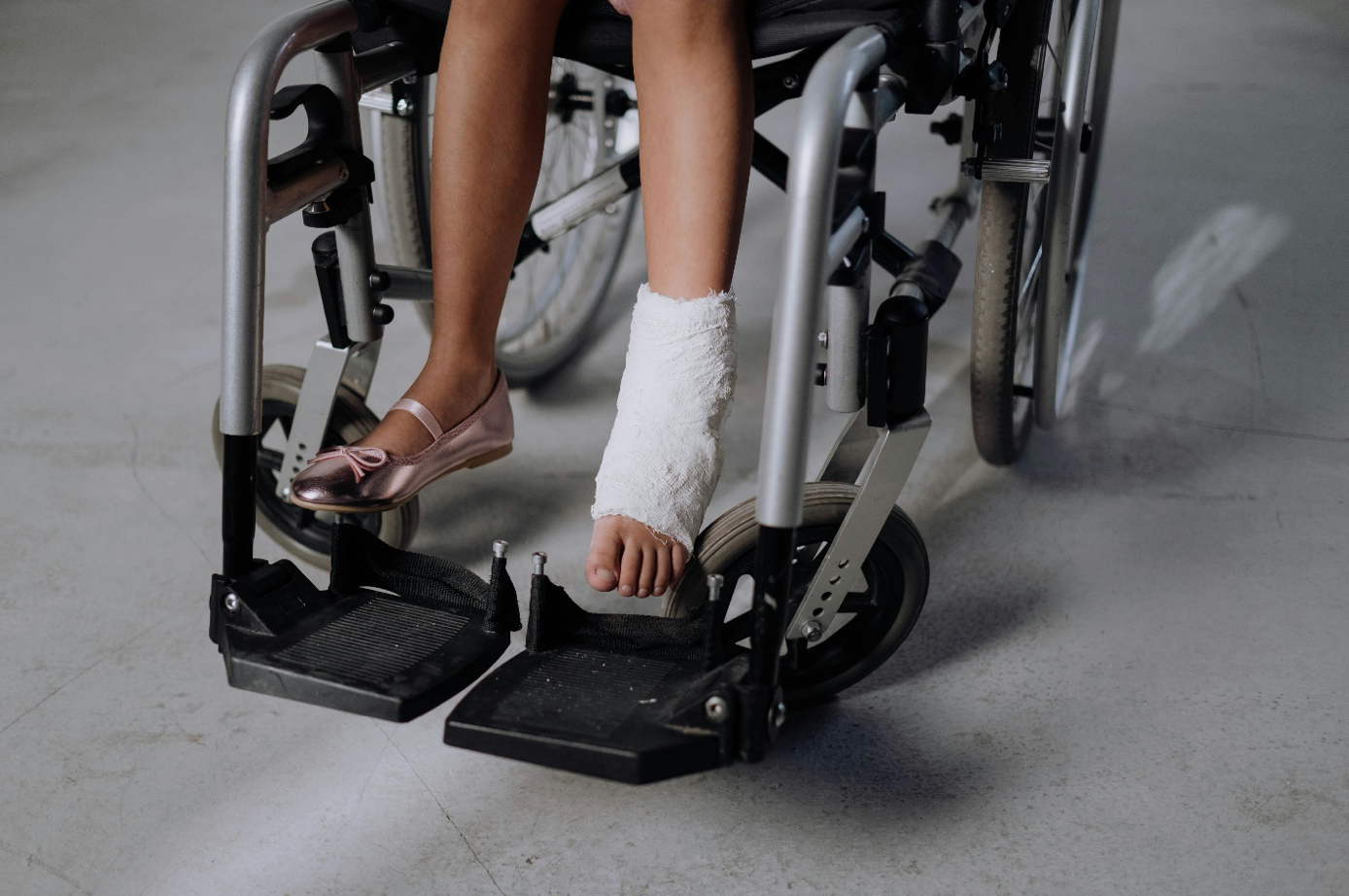
Common Overuse Conditions
Some of the most frequent overuse injuries associated with outdoor lifestyles include:
- Tendonitis in the knees or ankles
- Stress fractures from repetitive impact
- Shoulder strain from paddling or climbing
- Lower back pain from heavy backpacks
These injuries typically develop gradually and may worsen if ignored.
The Role of Conditioning and Preparation
Many outdoor injuries occur when individuals attempt activities that exceed their current fitness levels.
Proper preparation includes:
- Strength and endurance training
- Gradual increases in activity intensity
- Stretching and mobility exercises
- Adequate rest and recovery
Taking time to prepare physically can greatly reduce injury risks.
Preventive Measures for Safer Outdoor Recreation
While outdoor activities inherently carry some risk, many injuries can be prevented with proper planning and safety practices.
Use Appropriate Equipment
Safety gear plays a crucial role in injury prevention.
Examples include:
- Helmets for cycling and skiing
- Proper hiking boots for ankle support
- Life jackets for water activities
- Climbing harnesses and ropes for technical terrain
Using the right equipment ensures better protection and stability.
Learn the Environment
Before participating in outdoor activities, individuals should research the area they plan to visit.
Important considerations include:
- Trail difficulty levels
- Weather patterns
- Wildlife presence
- Local regulations or restrictions
Preparation reduces the likelihood of encountering unexpected dangers.
Travel With Others
Participating in outdoor activities with companions improves safety. If an accident occurs, having someone nearby increases the chances of receiving help quickly.
For solo adventurers, sharing trip plans with a trusted person can provide an additional layer of protection.
When Outdoor Injuries Lead to Legal Concerns
Not all outdoor injuries are simply accidents. In some cases, they may result from negligence, unsafe property conditions, defective equipment, or reckless behavior by others.
Examples include:
- Poorly maintained trails or recreational facilities
- Faulty safety equipment
- Negligent tour operators or guides
- Vehicle collisions involving cyclists or pedestrians
When these situations arise, individuals may need guidance on their rights and potential legal options. Those seeking additional information about injury claims and liability can explore resources such as this overview of personal injury law to better understand how legal processes work.
People who want to access this legal resource may find helpful information about personal injury representation and accident-related claims.
Additional professional information about personal injury legal services can also be found through reputable directories.
Balancing Adventure With Safety
Outdoor lifestyles offer immense benefits for both physical and mental health. Activities such as hiking, cycling, and water sports help people stay active, relieve stress, and connect with nature. However, these activities also introduce risks that should not be overlooked.
By understanding the potential hazards associated with outdoor recreation—such as environmental challenges, physical strain, and equipment-related dangers—individuals can take proactive steps to protect themselves.
Ultimately, the goal is not to avoid outdoor adventures but to approach them with awareness and preparation. With the right precautions, people can enjoy the rewards of outdoor living while minimizing the risk of injury.
Join the conversation!