
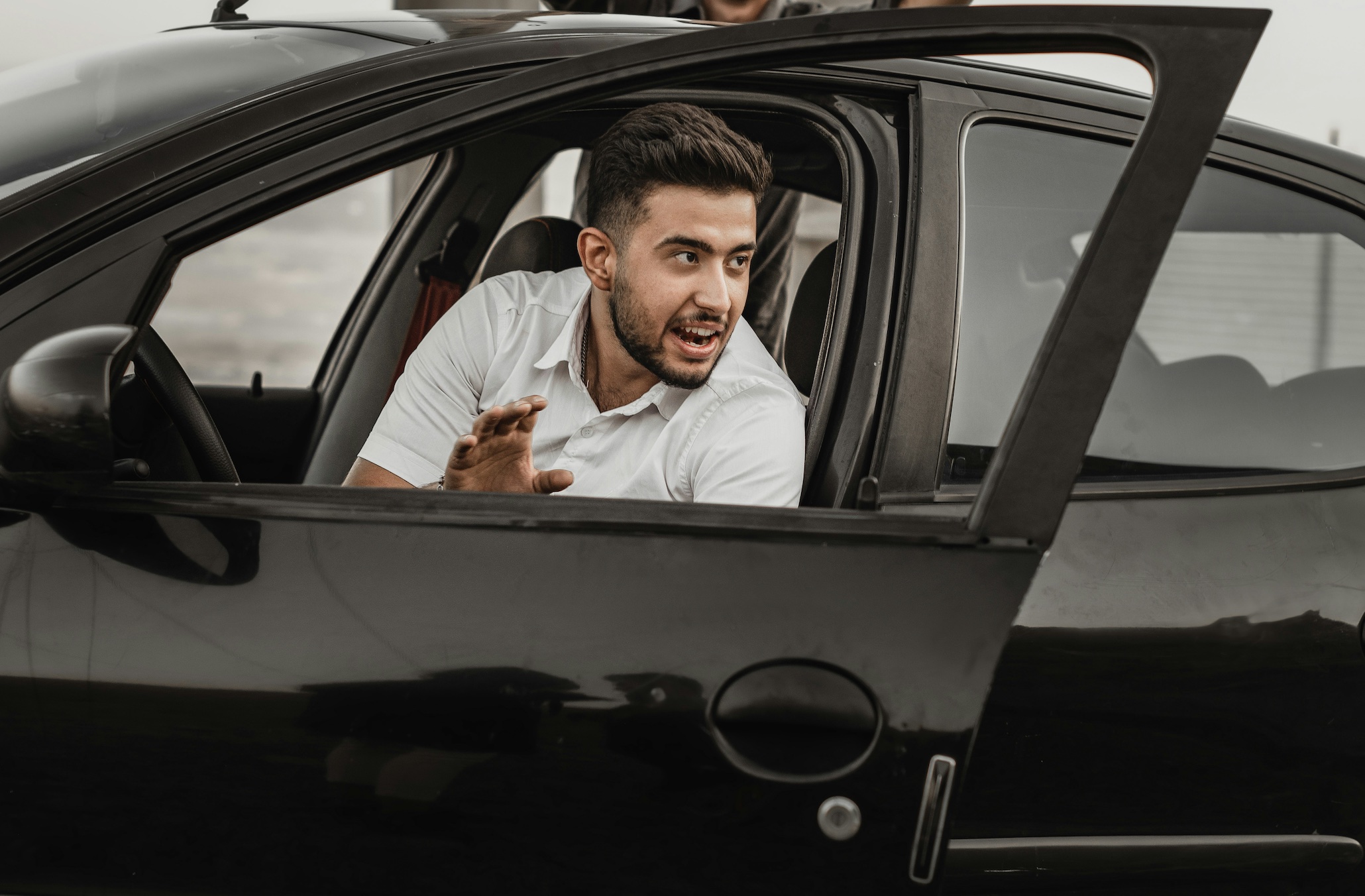
When someone starts blaming, you need a neutral third party. That’s where law enforcement comes in. A police report adds structure to the chaos. It creates a clear account of what happened.
A car crash already throws you off your day. Your heart races while you check if you’re hurt. You try to grasp what just happened. It’s loud. It’s confusing. And everything feels urgent.
Then, the other driver starts pointing fingers. Their voice gets sharp. They insist it was your fault. Now you’re not just shaken. You’re on edge. That pressure can push you into saying or doing the wrong thing. Things that can work against you legally later on.
What you do in those first few minutes matters more than you think. It can shape what happens if there’s a legal case. Here’s how to protect yourself in this situation.
Stay Calm When Speaking
Emotions run high right after an accident. The other driver may raise their voice. They point fingers right away. This happens more often than you think. Many drivers get triggered quickly behind the wheel. Especially in heavy traffic after a long day. Road rage can spill over fast. If you match that energy, things escalate. That can hurt your legal case later.
Stay steady. Keep your voice low. Speak in short, neutral sentences. You can say, “Let’s exchange details.” That’s enough. You don’t need to argue your case on the street. Staying calm protects how others see you, including witnesses. It also keeps you from saying something that someone can twist later.
Don’t Say “Sorry”
It’s natural to want to smooth things over after a crash. Especially when the other driver is extra angry. You might feel shaken. You might say “sorry” out of habit. But that one word can cause problems. It can sound like you’re taking responsibility for the crash. Even if you know it wasn’t your fault.
Hold back. Don’t admit fault, even casually. Stick to checking if everyone is okay. Keep your words neutral. Say, “Let’s wait for the accident report.” By keeping your language clean, you protect your legal position. You give your side a fair chance to be heard later.
Call the Police Right Away
When someone starts blaming, you need a neutral third party. That’s where law enforcement comes in. A police report adds structure to the chaos. It creates a clear account of what happened.
This is always one of the first things you should do after a car accident. Make the call as soon as you can. When officers arrive, give clear facts. No guesses. No added emotion. Let them observe the scene and speak to both you and the other driver. That report becomes a key piece of evidence in any legal case that comes up. It prevents the other driver from rewriting the story later.
Take Photos of Everything
Things change quickly after a crash. Cars get moved. Minor injuries can heal fast. What you remember in the moment can blur later. That’s why you need proof right away.
Use your phone as soon as it’s safe. Take photos of both cars involved from multiple angles. Get close shots of the damage. Step back and capture the full scene. Include traffic lights and nearby signs. Take photos of injuries, like cuts and wounds. The more context you capture, the harder it is for someone to twist the story. Strong visuals give you a solid foundation if someone later disputes fault.
Contact a Lawyer Immediately
When blame is part of the equation, the situation picks up quickly. The other driver may already be planning their claim. They may speak to their insurance first. That early narrative can shape how things unfold.
Getting a lawyer involved early changes that dynamic. You get guidance from the start. You know what to say. What to avoid, too. Your lawyer can also handle calls, so you don’t get pressured. They’ll help organize your evidence while the details are fresh. Doing all these early keeps your case from slipping out of your control.
And remember, local experience matters. Laws vary by place. Traffic patterns differ. Courts handle cases their own way. So, get a lawyer who specializes in the area where the car crash occurred. If you were driving through Chicago traffic, work with car accident attorneys in Chicago. They understand the city’s pace. They know how local claims tend to play out. That kind of insight gives your case direction.
Limit Sharing on Social Media
After a crash, you may want to talk about it. You might post a photo or share what happened. Maybe it’s meant to be just a quick update to friends and family. Or warn them about finding themselves in a similar situation.

But social media impacts personal injury cases. Insurance companies look for anything they can use against you. Courts can take your post out of context. A photo of you smiling later that day could be used to cast doubt on your injuries. Even comments from friends can complicate things.
The safer move? Stay quiet online for now. Don’t post details about the crash. Don’t share updates about your condition. Keep conversations private. If you’re unsure, check with your lawyer first. Mindfulness online means controlling your narrative.
Conclusion
Getting blamed in the middle of a crash can be anxiety-inducing. You could do the wrong thing simply because you’re not in the right headspace. But remember that you have control over this. Stay calm. Call the police. Take as many relevant photos as possible. These protect your side of the story from the jump.
When you handle those first moments well, everything after becomes easier to manage. Your case stays strong. Your stress stays low. You walk away knowing you didn’t let someone else’s aggression ruin your claim. So, let them talk. You’ve got the facts on your side.
Join the conversation!