
A credit report is more than just a number; it is a digital reputation. For New Yorkers, the combination of the FCRA and the NYFCRA provides a formidable defense.
For most Americans, the Fair Credit Reporting Act (FCRA) is the primary shield against the negligence of the “Big Three” credit bureaus—Equifax, Experian, and TransUnion. However, for residents of the Empire State, federal law is only the baseline. New York has long maintained its own robust legal framework to protect consumers from the devastating impact of inaccurate credit reporting.
Understanding the intersection between federal mandates and the New York Fair Credit Reporting Act (NYFCRA) is critical for any consumer seeking to rectify errors. While the FCRA provides a broad umbrella of protection, New York’s specific statutes offer unique “silver bullets” that can often resolve disputes more effectively in a local courtroom.
The Federal Baseline vs. The New York Advantage
The federal FCRA requires credit reporting agencies (CRAs) to follow “reasonable procedures to assure maximum possible accuracy.” It grants consumers the right to dispute errors and mandates that bureaus investigate those disputes within 30 days.
However, a credit report lawyer in NY often looks to New York General Business Law Article 25 (the NYFCRA) for additional leverage. One of the most significant differences lies in the “obsolescence” periods. While federal law generally allows negative information to remain on a report for seven years, New York law is more restrictive regarding paid judgments. Under NY law, a satisfied judgment can only be reported for five years from the date of satisfaction, providing New Yorkers a two-year “head start” on credit recovery compared to the rest of the country.
7 Common Credit Reporting Violations New Yorkers Face
Navigating the credit landscape in a high-density, high-litigation state like New York presents unique challenges. Here are seven common violations that frequently lead to litigation:
1. Reporting “Zombie” Judgments
With the passage of the Consumer Credit Fairness Act in New York, the statute of limitations for many consumer debt actions was reduced from six years to three. Despite this, many bureaus continue to report old, uncollectible “zombie” debts that should have legally expired under the Consumer Financial Protection Bureau (CFPB) guidelines regarding time-barred debt.
2. Mismanagement of NY State Tax Liens
In 2018, major credit bureaus stopped reporting most tax liens due to accuracy issues. However, “boutique” or secondary screening companies often still pull outdated records. If a lien was vacated and is still appearing on a background check, you should consult a background check attorney to ensure the reporting agency is held accountable.
3. The “Mixed File” Phenomenon
In a city of millions, name similarities are a constant source of error. New York courts have been historically receptive to “mixed file” claims when bureaus fail to use secondary identifiers like Social Security numbers to verify data.
4. Errors in Tenant Screening Reports
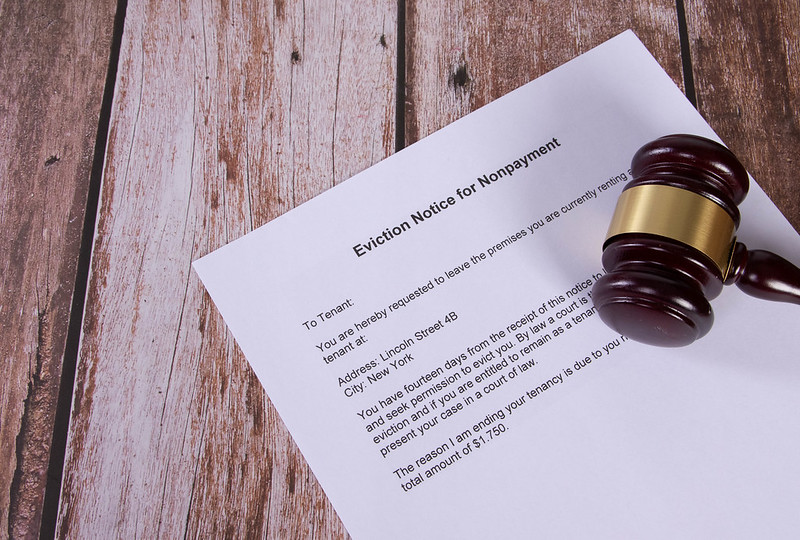
New York City’s rental market is among the most competitive in the world. Many landlords use third-party screening services that pull “eviction records.” Frequently, these reports fail to mention that a case was dismissed. Under the law, a credit report error attorney can help litigants prove that the screening company failed to maintain “strict procedures” for accuracy.
5. Failure to Conduct a “Reasonable Investigation”
When a New Yorker files a dispute, the bureau often performs an “automated” verification. New York case law emphasizes that a “reasonable investigation” requires a substantive review of the consumer’s provided evidence, not just a digital “rubber stamp.”

6. Identity Theft and the “Police Report” Hurdle
Identity theft victims often face bureaucratic hurdles when trying to block fraudulent accounts. While the Federal Trade Commission (FTC) provides clear recovery paths, creditors often ignore New York identity theft affidavits, necessitating lawyers for identity theft to force the removal of fraudulent charges.
7. Deceptive “Credit Monitoring” Practices
Many consumers sign up for “free” scores only to find they are seeing a proprietary algorithm that differs from the FICO score lenders actually use. Misrepresenting the utility of these scores can fall under New York’s deceptive trade practices laws.
The Path to Litigation: When “DIY” Disputes Fail
Under the FCRA, if a bureau or a furnisher (the bank or creditor) willfully or negligently fails to comply with the law, the consumer may be entitled to:
- Actual Damages: Including lost loan opportunities or higher interest rates.
- Statutory Damages: Ranging from $100 to $1,000 per violation.
- Attorney’s Fees: One of the most powerful aspects of the FCRA is that the “loser pays.” This allows consumers to hire an attorney without paying out-of-pocket.
Conclusion
A credit report is more than just a number; it is a digital reputation. For New Yorkers, the combination of the FCRA and the NYFCRA provides a formidable defense. If a credit bureau refuses to correct the record, the law provides a clear path to hold them accountable.
Join the conversation!